
How do flood, spot, and combo beam work lights differ?
Q: How do flood, spot, and combo beam work lights differ?
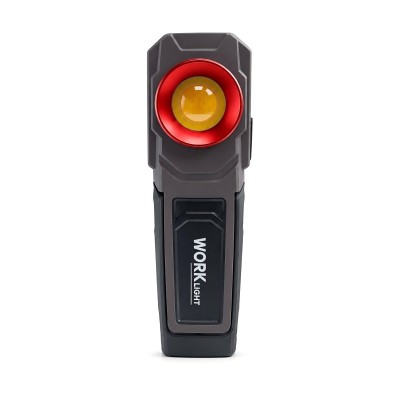
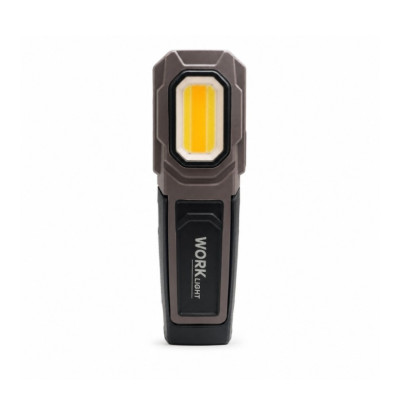
A: The flood beams cover a wide area in the surrounding area, the spot beams extend even further, and the combo beams give both central coverage and peripheral visibility.A flood beam is more appropriate for use at short distances since it disperses the light over a broad area; when carrying out repairs at loading areas and on workbenches, angles of between 90° and 120° are usually chosen. A spot beam is used in order to focus the light and thus improve visibility at greater distances, and angles varying from 30° to 60° are commonly employed on vehicles, machinery, and at remote targets. A combo beam has a stronger central beam as well as broader coverage on the sides and is therefore suitable for off-road vehicles, agricultural equipment, and for general purposes. You should request photometric data or photographs of similar beams and then examine the center intensity, the useful distance, the uniformity of the edge, any dark spots, and the glare at the height at which the beam is to be installed.
Are you looking for a reliable manufacturer?
We can quickly provide customers with market analysis, technical support and customized services.Please send your message to us
- Name
- Phone
- *Title
- *Content