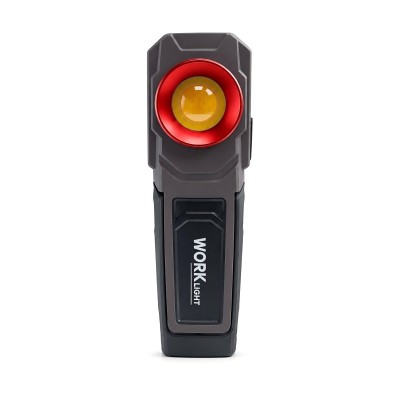
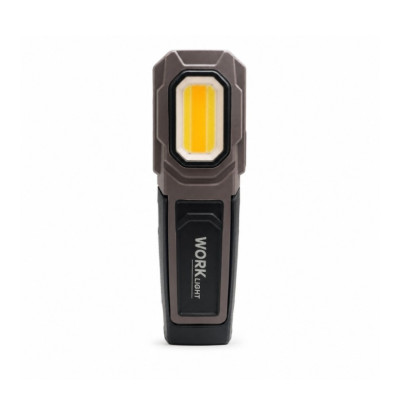
Work Light Buyer's Guide 2026: How to Choose the Right LED Work Light for Every Job
As someone who has navigated dimly lit workspaces – from garages and construction sites to off-road trails – I understand the frustration and hazards that come with insufficient lighting. Poor visibility often leads to costly rework, reduced efficiency, and preventable accidents. That's why I've created this comprehensive Work Light Buyer's Guide for 2026, designed to empower you with the knowledge to choose the ideal LED work light for every task you undertake, illuminating your work with precision and safety. Whether you need versatile portable LED work lights or a specialized solution, this guide is for you.
Selecting the right work light isn't just about brightness; it's about finding the perfect tool that enhances your safety, boosts productivity, and ensures reliability in challenging environments. Join me as I break down the key factors to consider, helping you cut through the confusion and make informed decisions on your next illumination investment.
Key Takeaways
Choosing the right LED work light is a critical decision that impacts safety, efficiency, and the quality of your work. This guide provides a comprehensive framework for making an informed choice. Here are the essential takeaways to keep in mind:
Match the Form Factor to the Task: The physical design of a work light is its most fundamental feature. Don't choose a light based on brightness alone.
- Magnetic Lights: Ideal for mechanics and anyone working with ferrous metal surfaces, providing secure, hands-free lighting.
- Flood/Tripod Lights: Necessary for large areas like construction sites or outdoor events where broad, elevated illumination is required.
- Wearable Lights (Headlamps): Essential for tasks requiring both hands and close-up focus, such as electrical work or intricate repairs.
- Inspection/Penlights: The go-to for detailed checks, diagnosing issues in tight spaces, and ensuring precision.
- Handheld/Rechargeable: The all-around choice for general tasks, offering a balance of portability and power for jobs on the move.
Decode the Technical Specifications: Specs aren't just numbers; they define a light's performance in a real-world setting.
- Lumens (Brightness): Your required lumen output is task-dependent. General tasks may need 500-2,000 lumens, while large outdoor sites could require 10,000 lumens or more.
- CRI (Color Rendering Index): A high CRI (90+) is non-negotiable for painters, detailers, and anyone needing to see true-to-life colors. For general use, a CRI of 80 is sufficient.
- Color Temperature (CCT): Measured in Kelvin (K), this affects visibility. White light (5000K-6500K) is great for detail, while amber light (under 4000K) excels at cutting through dust, fog, or snow.
- Durability Ratings (IP & IK): The IP rating indicates protection against dust and water (e.g., IP67 is dust-tight and waterproof). The IK rating signifies impact resistance (e.g., IK08 can withstand significant impacts), a crucial feature for rugged environments.
Select the Right Power Source: How you power your light determines its portability and runtime.
- Corded: Offers unlimited, consistent power, making it perfect for fixed workstations like a garage or workshop bench.
- Rechargeable (Cordless): Provides ultimate portability for mobile tasks. Pay attention to battery life, charge time, and whether the battery is replaceable.
- 12V/Vehicle-Mounted: The ideal solution for those who work from their vehicles, such as in agriculture, off-roading, or field service, drawing power directly from the vehicle's battery.
Prioritize Quality and Longevity for Professional Use: For business and professional applications, the initial purchase price is only part of the equation.
- Build Quality: Look for robust materials like die-cast aluminum housings and polycarbonate lenses, which offer superior heat dissipation and impact resistance. Check details about our quality and testing standards to understand what true durability means.
- Certifications: Ensure lights meet safety and quality standards like CE, RoHS, and specific regional requirements. This guarantees the product is safe, reliable, and compliant.
- Warranty and Support: A strong warranty and accessible customer support are indicators of a manufacturer's confidence in their product. This protects your investment and ensures long-term performance.
By systematically evaluating your needs based on these four pillars—form factor, specifications, power source, and quality—you can move beyond guesswork and select a work light that truly functions as an indispensable tool for your trade.
Types of Work Lights: Which Form Factor Fits Your Task?
The first and most crucial step in selecting a work light is to match its form factor—its shape, size, and features—to the specific job you need to do. A light that's perfect for a construction site will be cumbersome in an engine bay, and a light designed for close-up inspections won't illuminate a large workshop. Choosing a work light isn't about finding the brightest option available; it's about selecting the right tool for the environment. Let's explore the primary types of work lights to determine which one is the best fit for your needs.
Magnetic Base Work Lights: Secure Illumination on Metal Surfaces
Magnetic work lights are an essential tool for automotive mechanics, technicians, and anyone who frequently works with metal surfaces. Their primary advantage is providing powerful, hands-free illumination exactly where it's needed. These lights feature a strong magnetic base that securely attaches to any ferrous surface, such as a car hood, frame, electrical panel, or metal shelving. This allows you to position the light at the perfect angle without having to hold it, freeing up both hands to focus on the task.
Many magnetic lights are designed with a long, slender body to reach into tight spaces like engine bays or undercarriages. Look for models with a swiveling or articulating head, which offers even greater flexibility in directing the light beam. The convenience of a secure, adjustable, and hands-free light source makes complex jobs safer and more efficient. For professionals who need reliable and versatile lighting for repairs and maintenance, exploring various magnetic LED work light options is a critical step in building an effective toolkit.

While these lights offer incredible versatility, it's important to consider magnet strength and potential limitations. While perfect for direct attachment, the magnetic force can be a drawback on non-metallic surfaces. Additionally, some highly portable, battery-powered magnetic lights may offer slightly less brightness compared to their larger, corded counterparts to conserve energy.
Flood and Tripod Work Lights: Broad Area Coverage for Construction and Events
When you need to illuminate a large area, a single focused beam won't suffice. This is where flood and tripod work lights excel. These lights are designed to "flood" a space with a wide, powerful beam of light, making them indispensable for construction sites, large workshops, outdoor events, and emergency response scenarios.
- Flood Lights: These are high-intensity lights with a very wide beam angle, often up to 120 degrees. They are built to light up substantial areas like building facades, parking lots, or an entire work zone. Their primary purpose is broad, general illumination rather than focused, task-specific lighting.
- Tripod Work Lights: These lights are mounted on an adjustable, telescoping stand. The key advantage of a tripod is elevation. By raising the light source above head height, you can cast light over a wider area, minimize shadows caused by people and equipment, and reduce glare. Many tripod models feature single or dual heads that can be tilted and swiveled independently, giving you precise control over the direction of the light. They are perfect for tasks like painting or drywall, where consistent, shadow-free light is crucial for a quality finish.
For large-scale industrial or construction projects, using several tripod or flood lights in combination can create a safe, well-lit environment that enhances both productivity and safety. They are also invaluable for backyard events, camping, or any situation where temporary, wide-area lighting is needed.

However, their size and the need for stable ground can be a limitation. Tripod lights require more space to set up and can pose a trip hazard in crowded or confined areas. While highly effective for stationary projects, their slower setup makes them less ideal for tasks that require constant relocation.
Headlamps & Wearable Work Lights: Hands-Free Vision for Close-Up Work
For any task that requires intricate work, fine motor skills, and both hands, a headlamp is not just a convenience—it's a necessity. Electricians, plumbers, mechanics, and HVAC technicians rely on wearable lights to illuminate their direct line of sight while keeping their hands completely free. This is the primary advantage of a headlamp: the light goes exactly where you look, providing focused, immediate illumination without any extra effort.
Modern headlamps offer a range of features designed for professional use:
- Adjustable Beams: Many models allow you to switch between a wide "flood" beam for illuminating a general work area and a narrow "spot" beam for seeing details at a distance.
- Lightweight and Comfortable: Designed for extended wear, good headlamps use ergonomic straps and distribute weight to prevent discomfort or neck strain.
- Durability: Professional-grade headlamps are built to withstand job site abuse, with ratings for impact resistance and protection against water and dust.
- Multiple Modes: Some headlamps include a red light mode, which is useful for preserving night vision when you need to perform quick tasks without readjusting to bright white light.
Beyond traditional headlamps, other wearable options like neck lights are gaining popularity. These rest on your shoulders and provide dual beams that illuminate the workspace from a slightly lower angle, which can reduce glare and shadows cast by your head and hands. For professionals who work in tight, poorly lit spaces, a reliable wearable light is an indispensable tool for safety and precision.
Penlights and Inspection Work Lights: Precision Lighting for Detailed Checks
When the job demands a close look into tight spaces or a detailed examination of surfaces, a penlight or inspection light is the tool of choice. These compact, powerful lights are designed for precision and are staples for quality control inspectors, mechanics, and technicians.
Penlights: As their name suggests, penlights are slim, lightweight, and shaped like a pen, making them incredibly easy to carry in a pocket or clip to a shirt. They produce a tight, focused beam of light ideal for pinpointing specific areas. Mechanics use them to peer into engine crevices, electricians to illuminate wiring inside a crowded junction box, and inspectors to check for minute cracks, leaks, or defects. Their primary function is to provide a quick, directed source of light for diagnostic purposes.
Inspection Lights: While similar to penlights, inspection lights are often built to be more robust and may offer additional features. They typically provide a high-quality, clean beam designed to reveal imperfections. Some advanced inspection lights offer a high Color Rendering Index (CRI), which is crucial for jobs where color accuracy is important, such as identifying correctly colored wires or spotting subtle differences in paint finish. Some models might also include features like a flexible neck or a magnetic base for hands-free positioning.
For any professional who needs to diagnose problems or verify quality, having a reliable inspection light is non-negotiable. It's the difference between guessing and knowing. Investing in high-quality, high-CRI inspection light solutions ensures you can see every detail without distortion, leading to more accurate work and fewer errors.

The main limitation of these lights is their focused, narrow beam. They are not designed to light up a large area and are unsuitable for general workspace illumination. Their strength lies in precision, making them a specialized but essential part of a professional's lighting arsenal.
Handheld & Rechargeable Work Lights: Versatile Portability for Any Job
Handheld and rechargeable work lights are the jacks-of-all-trades in the world of professional illumination. Their defining characteristic is portability, making them the go-to choice for anyone who needs to move around a job site or work in locations without easy access to a power outlet. The freedom from cords reduces trip hazards and allows for unrestricted movement, a crucial advantage in dynamic work environments.
These work lights typically feature:
- Compact and Lightweight Design: Built to be carried easily, they can be tossed in a tool bag or carried by hand from one task to the next.
- Rechargeable Batteries: Modern versions use long-lasting lithium-ion batteries that provide hours of consistent light. Many can be conveniently charged via a standard USB-C connection.
- Versatile Features: To enhance their utility, many handheld models incorporate features from other work light types. It's common to find them with a built-in magnetic base, a rotating or pivoting head, and hooks for hanging. Some even double as a power bank, allowing you to charge your phone or other small devices from the light's battery.
- Durable Construction: Professional handheld lights are built to be tough, with impact-resistant housings and water-resistant seals to survive the rigors of the job site.
A rechargeable handheld work light is an excellent all-around investment for almost any trade. It offers a balance of brightness, portability, and versatility that is hard to beat. While it may not provide the immense area coverage of a large tripod light or the pinpoint precision of a penlight, its flexibility makes it an invaluable tool for countless everyday tasks.
LED Work Light Specs That Matter: Lumens, CRI, Color Temperature, and IP Rating
Once you've decided on the right form factor, the next step is to dive into the technical specifications. These numbers and ratings on the box aren't just marketing jargon; they are crucial indicators of how a work light will perform in the real world. Understanding what lumens, CRI, color temperature, and IP/IK ratings mean will empower you to look past the sales pitch and choose a light that delivers the performance, accuracy, and durability your job demands. This section will demystify these key specs so you can make a truly informed decision.
How Many Lumens Do You Need in a Work Light for Optimal Brightness?
When comparing work lights, "lumens" is the most common specification you'll see. A lumen is a measure of the total amount of visible light emitted by a source—in simple terms, it's a measure of brightness. However, more lumens isn't always better. The right number of lumens depends entirely on your task and environment. An excessively bright light can cause glare and eye strain, while too few lumens will leave you struggling to see.
Here is a general guide to help you choose the right lumen output for your needs:
| Task / Environment | Recommended Lumen Range | Why? |
|---|---|---|
| Small, Detailed Tasks | 500 – 1,500 Lumens | Provides bright, focused light for close-up work like electronics repair, plumbing under a sink, or inspections without being overpowering. |
| General Garage/Workshop Use | 2,000 – 5,000 Lumens | Offers enough brightness to comfortably illuminate a specific work area, such as an engine bay or a workbench, for tasks like automotive repair. |
| Large Indoor Areas | 5,000 – 10,000+ Lumens | Needed to flood a larger space like a full two-car garage, a basement renovation, or a small construction zone with consistent light. |
| Outdoor & Construction Sites | 3,000 – 10,000+ Lumens | Required for large outdoor areas to ensure safety and visibility. The exact amount depends on the size of the site and the complexity of the work. |
A Pro Tip on Lumens: Be cautious of manufacturers making bold claims about extremely high lumen counts, especially on unbranded, low-cost lights. Reputable brands provide tested, accurate lumen ratings. As a rule of thumb, you often get what you pay for when it comes to brightness and overall quality.
It’s also helpful to think in terms of lumens per square foot. For general workshop areas, aiming for 100-150 lumens per square foot provides excellent visibility for detailed tasks. For simple storage areas, 50-75 lumens per square foot is often sufficient. By calculating the square footage of your space and multiplying it by the desired brightness level, you can get a more precise estimate of your total lumen requirement.
What Does High CRI Mean for Inspection Work Lights and Color Accuracy?
The Color Rendering Index (CRI) is one of the most critical—and often overlooked—specifications for any work light used for inspections, painting, detailing, or electrical work. CRI is a scale from 0 to 100 that measures how accurately a light source reveals the true colors of objects compared to natural sunlight.
Simply put, a low CRI light can distort colors, making it difficult to perform tasks that rely on accurate color identification. A high CRI light, on the other hand, renders colors vividly and naturally.
Why is this important for your work?
- For Automotive Painters and Detailers: When matching paint colors or inspecting for swirl marks and imperfections, a high CRI is non-negotiable. A light with a CRI of 90 or higher ensures that you are seeing the true color of the paint, preventing costly mistakes and ensuring a flawless finish.
- For Electricians: Identifying wires by their color is a fundamental part of the job. A low CRI light can make a red wire look orange or a brown wire look purple, creating a significant safety hazard. High CRI lighting ensures that wire colors are easily and accurately distinguishable.
- - For Quality Inspectors: When checking for defects, blemishes, or inconsistencies in materials, high CRI light reveals subtle variations that might be missed under poor lighting.
Here is a quick guide to CRI ratings:
- CRI 70-80: Considered acceptable for general use where precise color accuracy is not critical, such as basic garage lighting or outdoor security.
- CRI 80-90: Good color rendering, suitable for most commercial and residential applications.
- CRI 90+: Excellent color rendering. This is the professional standard for tasks where color accuracy is paramount.
While a high CRI light might be slightly more expensive, the investment pays for itself by reducing errors, improving work quality, and enhancing safety. It ensures what you see is what you get, which is crucial for any professional who stakes their reputation on the quality of their work.
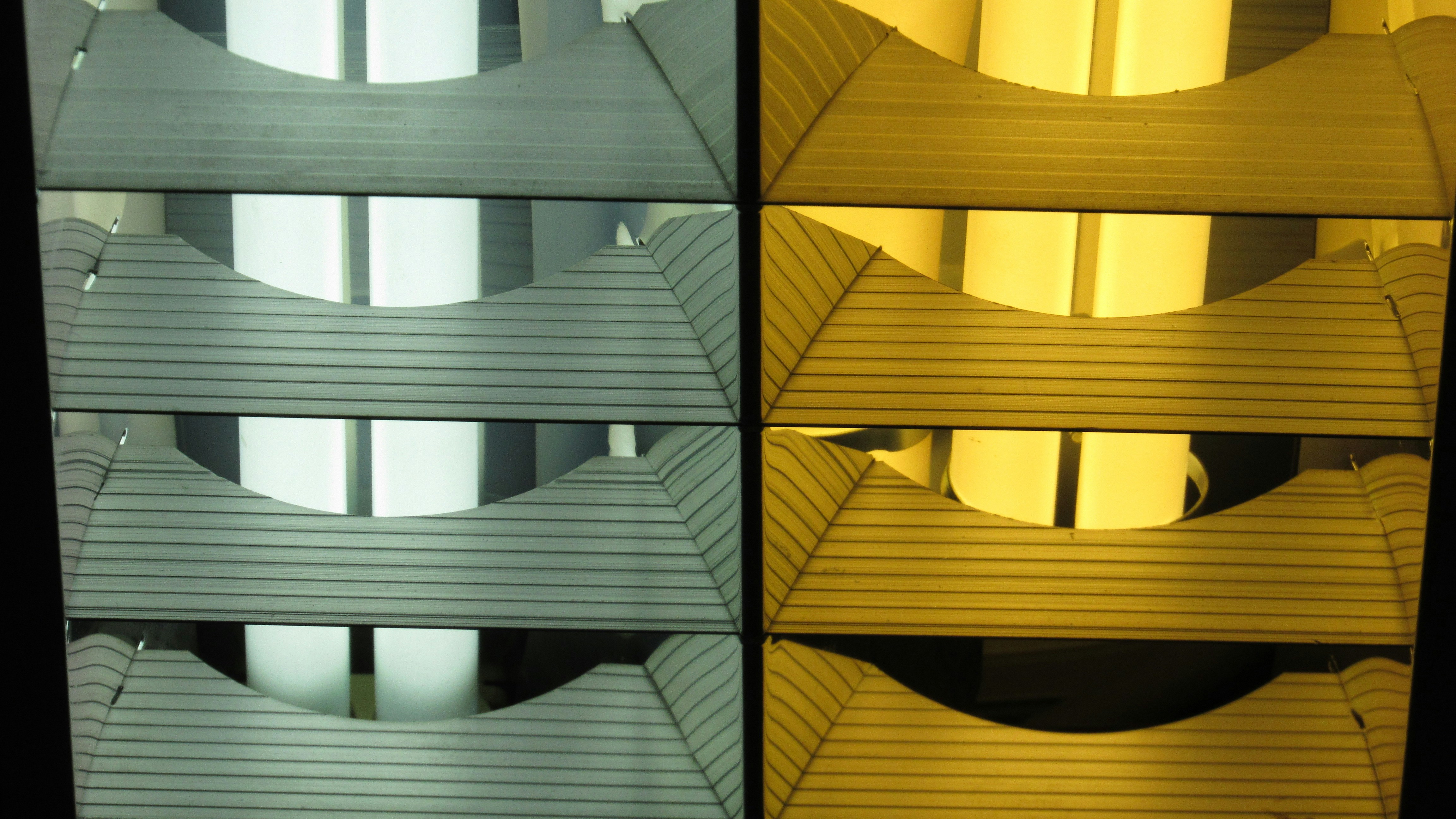
Understanding Color Temperature for Your Work Light: Amber vs. White LEDs
Beyond brightness (lumens) and color accuracy (CRI), the color temperature of a work light has a major impact on visibility, especially in certain conditions. Measured in Kelvin (K), color temperature describes the appearance of the light, ranging from warm yellow/amber tones to cool blueish-white tones.
This is a critical consideration because the color of the light interacts differently with particles in the air.
White Light (4000K – 6500K): This is the most common range for work lights.
- Neutral White (4000K): A balanced white light that is bright and clear without being overly harsh. It's great for general-purpose work lighting in garages and workshops as it enhances visibility and detail.
- Cool/Daylight White (5000K – 6500K): This light is very bright and appears slightly bluish, closely mimicking natural daylight. It is excellent for tasks requiring maximum alertness and focus, making spaces feel clean and bright. In clear conditions, white light provides superior brightness and color accuracy.
Amber Light (2000K – 3000K): Often called "selective yellow," amber light has distinct advantages in poor weather.
- The Physics of Visibility: White light contains a full spectrum of colors, including short-wavelength blue light. When this blue light hits airborne particles like dust, fog, rain, or snow, it scatters easily. This phenomenon, known as backscatter, creates a blinding wall of glare that reflects into your eyes, severely reducing visibility.
- How Amber Helps: Amber light has a much longer wavelength and filters out the problematic blue light. As a result, it penetrates these particles with significantly less scattering and glare. This allows you to see through the dust or fog rather than just illuminating the particles directly in front of you.
Which should you choose?
| Scenario | Recommended Color Temperature | Why? |
|---|---|---|
| Indoor Workshops, Clear Conditions | 4000K – 5000K (Neutral to Cool White) | Provides crisp, clear illumination for detail-oriented work with good color rendering. |
| Dusty Environments (Deserts, Farms) | Under 3000K (Amber) | Cuts through airborne dust without creating a blinding glare, improving safety and visibility. |
| Fog, Snow, or Heavy Rain | Under 3000K (Amber) | Reduces reflection off water droplets and snowflakes, allowing the light to penetrate further and reveal the path or work area. |
| Off-Roading & Agriculture | Amber or a combination | Amber lights are a favorite in these industries for their superior performance in challenging weather and dusty conditions. |
For maximum versatility, some advanced work lights offer a dual-color function, allowing you to switch between white light for clear nights and amber light when conditions deteriorate. This combination ensures you have the best possible visibility no matter the environment.

IP and IK Ratings: Protecting Your Work Light from the Elements and Impacts
Work lights are often used in harsh environments where they are exposed to dust, water, and physical impacts. To help you choose a light that can withstand these conditions, manufacturers use two standardized rating systems: the IP Rating for ingress protection and the IK Rating for impact protection.
IP Rating: Dust and Water Resistance
The Ingress Protection (IP) rating is a two-digit code that tells you how well a work light's enclosure is sealed against the intrusion of solid particles (like dust) and liquids.
- First Digit (Solids): This number ranges from 0 to 6 and indicates the level of protection against solid objects, from large body parts down to microscopic dust. A rating of 6 is the highest, signifying that the light is completely "dust-tight."
- Second Digit (Liquids): This number ranges from 0 to 9K and measures protection against water.
For professional work lights, you will most commonly see these ratings:
| Rating | Water Protection Level | Suitable Use Cases |
|---|---|---|
| IP65 | Protected against low-pressure water jets from any direction. | Suitable for use in rainy conditions and environments with splashing water. |
| IP66 | Protected against high-pressure water jets from any direction. | Ideal for areas that require regular, powerful wash-downs. |
| IP67 | Protected against temporary immersion in water up to 1 meter for 30 minutes. | A great choice for outdoor work, agriculture, and marine environments where the light might be accidentally submerged. |
| IP68 | Protected against continuous immersion in water deeper than 1 meter. | The highest level of water protection, designed for extreme environments or underwater use. |
For most construction, automotive, and outdoor applications, an IP67 rating offers more than enough protection against the elements.
IK Rating: Impact Resistance
The Impact Protection (IK) rating, defined by standard IEC 62262, measures how much mechanical impact energy a work light's housing and lens can withstand. The scale ranges from IK00 (no protection) to IK10 (highest protection). A higher rating means the light is more durable and less likely to break if dropped or struck.
Here are the key ratings for professional work lights:
| Rating | Impact Energy | Real-World Equivalent |
|---|---|---|
| IK07 | 2 Joules | Withstands the impact of a 0.5 kg (1.1 lb) object dropped from 40 cm (15.7 in). Suitable for industrial settings with a moderate risk of impact. |
| IK08 | 5 Joules | Withstands the impact of a 1.7 kg (3.7 lb) object dropped from 30 cm (11.8 in). This is often considered the professional baseline for durable equipment in garages, workshops, and construction sites. |
| IK10 | 20 Joules | The highest standard rating. It can withstand the impact of a 5 kg (11 lb) object dropped from 40 cm (15.7 in), making it suitable for the most demanding and high-risk environments. |
A work light with a high IK rating (like IK08) is a wise investment for any busy job site, as it is built to survive the inevitable drops, bumps, and collisions of a professional work environment. Keep in mind that a severe impact can sometimes compromise the water seal, so a light with both a high IP and a high IK rating offers the best overall durability.
Corded, Rechargeable, or 12V: Power Options for Your LED Work Light Needs
How you power your work light is just as important as its brightness or form factor. Your choice of power source will determine the light's portability, runtime, and suitability for different work environments. There are three main power options to consider: corded (AC power), rechargeable (battery-powered), and 12V (vehicle power). Each has distinct advantages and is designed for specific scenarios. Let's break down which power source is the best match for your needs.
Corded Work Lights: Unlimited Power for Fixed Stations and Garages
Corded work lights are the go-to solution for any job that requires long, uninterrupted periods of powerful illumination in a fixed location. By plugging directly into a standard AC electrical outlet, these lights offer a consistent and unlimited power supply, completely eliminating concerns about battery life. This makes them the perfect choice for home workshops, garages, manufacturing facilities, and construction sites with reliable access to power.
Key Advantages:
- Unlimited Runtime: As long as it's plugged in, a corded work light will provide steady, flicker-free illumination. You'll never have to pause a critical task to recharge or swap out a battery.
- Higher Power Output: Since they aren't limited by a battery, corded lights can often sustain higher lumen outputs than their rechargeable counterparts, providing maximum brightness for as long as you need it.
- Cost-Effectiveness: Corded models typically have a lower initial purchase price because they don't include the cost of rechargeable batteries and charging systems. They also have lower maintenance costs over time, as there are no batteries to degrade and eventually replace.
Primary Limitation: The most obvious drawback is the cord itself. Mobility is restricted by the length of the cord, which can also create a trip hazard in a busy workspace. However, many professionals mitigate this by using retractable cord reels mounted to the ceiling or wall, which keeps the cord out of the way while still providing power where needed.
For anyone with a dedicated workspace who needs powerful, reliable lighting for extended projects, a corded work light is an unbeatable choice for performance and peace of mind.

Rechargeable Work Lights: Portability and Convenience for Mobile Tasks
For ultimate freedom and flexibility, nothing beats a rechargeable work light. Powered by internal batteries (typically advanced lithium-ion), these cordless lights are designed for professionals who are constantly on the move, working in remote locations, or in spaces where power outlets are unavailable or inconvenient. The absence of a cord not only allows for unrestricted movement but also significantly reduces trip hazards, creating a safer work environment.
Key Advantages:
- Unmatched Portability: Lightweight and compact, rechargeable lights are easy to carry, transport, and position anywhere you need them—under a car, in a crawlspace, or at a remote job site.
- Rapid Deployment: With no need to find an outlet or run an extension cord, you can set up and start working instantly. This quick deployment is invaluable for emergency repairs and time-sensitive tasks.
- Versatility: Many rechargeable models are packed with features like magnetic bases, rotating heads, hanging hooks, and adjustable brightness levels, making them highly adaptable to a wide range of situations.
- Eco-Friendly and Cost-Effective: Over the long term, rechargeable lights save money by eliminating the need to constantly purchase disposable batteries. They are also a more environmentally friendly option, as they reduce battery waste.
Things to Consider: The primary limitation of a rechargeable work light is its finite runtime. Battery life can vary significantly between models and brightness settings. When choosing a rechargeable light, pay close attention to:
- Runtime: How many hours will the light operate on a single charge at different brightness levels? Look for models that can last through a typical workday.
- Charging Time: How long does it take to fully recharge the battery? Some models offer fast-charging capabilities.
- Battery Type: Is the battery integrated or swappable? Many professional power tool brands offer work lights that use the same battery packs as their drills and saws, allowing you to swap batteries for continuous operation.
Modern rechargeable work lights now offer brightness levels and durability that rival their corded counterparts, making them an indispensable tool for nearly any mobile professional.
12V & Vehicle-Mounted Work Lights: Powering On the Go for Automotive and Agriculture
For professionals in agriculture, construction, off-roading, and emergency services, the work vehicle is often the mobile base of operations. 12V and vehicle-mounted work lights are designed specifically for these applications, drawing power directly from the vehicle's electrical system to provide powerful, reliable illumination wherever the job takes you.
Key Advantages:
- On-the-Go Power: These lights connect directly to your truck, tractor, or heavy equipment's 12V battery, an ideal solution when you are far from traditional power sources. This ensures you have a dependable light source for fieldwork, roadside repairs, or nighttime operations.
- High Power and Durability: Vehicle-mounted lights, such as LED light bars and pods, are engineered for extreme durability. They are built to withstand constant vibration, harsh weather, and impacts, with robust housings and high IP/IK ratings. They often deliver extremely high lumen outputs to illuminate large work areas or project light over long distances.
- Integrated Solution: By wiring directly into your vehicle, these lights become a permanent and reliable part of your equipment. Many are controlled via a switch in the cab, providing instant illumination without the need to set up a separate device.
Common Applications:
- Agriculture: Tractors, combines, and sprayers use 12V work lights for planting, harvesting, and other field tasks that often extend before sunrise and after sunset.
- Construction: Heavy machinery is frequently equipped with powerful LED work lights to ensure job site safety and productivity during nighttime operations.
- Off-Roading and Recovery: Powerful light bars and spotlights are essential for navigating trails safely after dark and for illuminating recovery scenes.
- Emergency Services: Police, fire, and EMS vehicles use a variety of mounted scene lights to light up accident sites and other emergency situations.
What to Consider: Installation is more involved, as it requires wiring the lights into the vehicle's electrical system. It's crucial to ensure the lights are compatible with your vehicle's voltage (most are 12V, but some heavy equipment uses 24V) and to use a proper wiring harness with fuses and relays to prevent damage to the vehicle's electrical system.
For anyone whose work revolves around a vehicle, a dedicated 12V lighting setup is the most powerful and reliable way to turn night into day.

Work Light Selection by Trade: A Quick-Reference Chart for Professionals
Different professions have unique lighting needs. A mechanic requires a light that can get into tight spaces, while a painter needs one with flawless color accuracy. To simplify your choice, this section provides recommendations tailored to specific trades. Use this quick-reference chart to identify the key features and work light types that are best suited for your line of work, ensuring you invest in a tool that enhances your efficiency and safety on the job.
Work Lights for Mechanics and Automotive Professionals: Ensuring Clear Visibility Under the Hood
For mechanics and automotive professionals, effective lighting is not a luxury—it's a fundamental tool for diagnostics, repairs, and safety. The complex, tight, and often greasy environment of an engine bay or undercarriage demands specialized lighting solutions that are powerful, versatile, and durable.
Key Features for Mechanics:
- Hands-Free Operation: The most critical feature. Lights with strong magnetic bases are essential, as they can be securely attached to the hood, frame, or any metal component, freeing up both hands for work.
- Slim and Flexible Design: A slim bar or flexible light can be maneuvered into tight spaces where traditional lights can't fit. Underhood light bars that stretch across the engine bay are particularly effective as they provide wide, even illumination without casting shadows.
- Durability and Resistance: Work lights in a garage must be able to withstand drops, as well as exposure to oil, grease, and other automotive fluids. Look for a high IK rating (IK08 is a good standard) and chemically resistant housings.
- Portability: Rechargeable cordless lights are highly favored for their portability, allowing mechanics to easily move from the engine bay to under the vehicle without being tethered by a cord.
| Recommended Light Type | Why It's a Good Fit for Mechanics |
|---|---|
| Magnetic Base Work Lights | Clings securely to metal surfaces for hands-free operation. Many have pivoting heads to direct light precisely. Slim bar designs are perfect for tight spots. |
| Underhood Light Bars | Extends across the engine bay to provide broad, shadow-free illumination of the entire work area. Often features hooks or clamps for mounting. |
| Headlamps | Essential for hands-free, direct line-of-sight lighting when working deep inside the engine or under the vehicle. |
| Penlights/Inspection Lights | Perfect for pinpointing leaks, inspecting for cracks, or looking into a deep port or crevice. A must-have for detailed diagnostic work. |
By combining these different types of lights, mechanics can create a layered lighting system that ensures every component is clearly visible, leading to more accurate work and increased efficiency. Given the frequent use of metal surfaces, exploring a variety of powerful magnetic LED work light options is a smart first step for any automotive professional.

Essential Work Lights for Construction and Heavy Machinery Operators: Rugged and Powerful
Construction sites and heavy machinery operations are some of the most demanding work environments in existence. Lighting in these settings must be exceptionally bright, incredibly durable, and absolutely reliable to ensure the safety of workers and the efficiency of the project. Work lights here are not just accessories; they are critical safety equipment.
Key Features for Construction and Heavy Machinery:
- Extreme Durability: Lights must be built to withstand constant vibration, shocks, impacts, and exposure to the elements. Look for the highest IP and IK ratings (e.g., IP67/IP68 and IK08/IK10) to ensure the light is dust-tight, waterproof, and impact-resistant.
- High Lumen Output: These large-scale environments require powerful illumination. Flood lights and area lights with outputs ranging from 5,000 to over 20,000 lumens are common. The goal is to eliminate shadows and illuminate a wide work area.
- Stable and Versatile Mounting: Tripod stands are essential for elevating lights to provide broad, even coverage over a site. For heavy machinery, vehicle-mounted 12V/24V lights are wired directly to the equipment, providing a robust, integrated lighting solution that moves with the machine.
- Reliable Power Source: On sites with available power, corded tripod lights offer unlimited runtime. For mobile equipment or remote areas, powerful rechargeable area lights or direct-from-vehicle 12V systems are necessary.
| Recommended Light Type | Why It's a Good Fit for Construction |
|---|---|
| Tripod & Area Flood Lights | Essential for illuminating large sections of a job site. High elevation minimizes shadows and provides wide, powerful beams (often 5,000-20,000+ lumens). |
| Vehicle-Mounted 12V/24V Lights | The best option for heavy equipment operators. These rugged lights are wired directly to excavators, dozers, and trucks, providing intense, reliable light that survives extreme vibration and weather. |
| Rechargeable Area Lights | Offers portability for temporary job sites or areas without power. These are powerful, self-contained units that can be quickly deployed to light up a specific zone. |
| String Work Lights | Ideal for illuminating long, linear areas such as hallways during interior construction, tunnels, or scaffolding. They provide consistent, temporary lighting along a path. |
For construction professionals, investing in high-quality, rugged, and powerful lighting is a direct investment in site safety and productivity. The ability to work safely and efficiently before sunrise, after sunset, or in poorly lit indoor spaces is critical to keeping a project on schedule.

Precision Work Lights for Painters and Detailers: High CRI for Flawless Finishes
For painters, automotive detailers, and any professional whose work is judged by its visual perfection, lighting is not just about brightness—it's about accuracy. The ability to see true, unaltered colors and to spot the most subtle surface imperfections is what separates amateur work from a professional, flawless finish. This is where high-CRI precision work lights are absolutely essential.
Key Features for Painters and Detailers:
- High Color Rendering Index (CRI): This is the single most important feature. A CRI of 95 or higher is the professional standard. This level of color accuracy ensures that you can match paint colors perfectly, see the true hue of a finished surface, and avoid any color mismatches that are only visible in natural daylight.
- Adjustable Color Temperature (CCT): Professional detailing lights often feature adjustable color temperatures (e.g., from 2700K warm light to 6500K cool light). This allows you to simulate different lighting conditions (like indoor light vs. outdoor sunlight) and helps to reveal different types of defects. Swirl marks, holograms, and high spots can become more or less visible at different color temperatures.
- Focused, Glare-Free Beam: The light needs to be bright enough to expose imperfections but diffused enough to prevent harsh glare or hotspots that can hide defects. A "sun gun" effect, which mimics direct sunlight, is highly effective for spotting swirl marks in automotive paint.
- Portability: Handheld, rechargeable lights are ideal, as they allow detailers and painters to move around the vehicle or workspace and inspect surfaces from all angles.
| Recommended Light Type | Why It's a Good Fit for Painters & Detailers |
|---|---|
| High-CRI Handheld Lights | The primary tool for this trade. A portable, rechargeable light with a CRI of 95+ and adjustable color temperature allows for meticulous inspection of paint and surfaces from any angle. |
| High-CRI Headlamps | Provides hands-free, high-CRI lighting for tasks that require both hands, such as wet sanding, polishing, or applying coatings. |
| High-CRI Tripod Lights | Useful for illuminating an entire side of a vehicle or a wall with consistent, color-accurate light, ensuring an even finish across a large surface area. |
Investing in a specialized high-CRI work light is a critical investment for any painter or detailer. It removes the guesswork from color matching and quality inspection, giving you the confidence that the finish you see is the finish your client will see. Without it, you are essentially working in the dark.
Specialty Work Lights for Agricultural and Farm Operations: Durable Illumination for the Fields
Agricultural work doesn't stop when the sun goes down. From planting before dawn to harvesting late into the night, farmers and ranchers require lighting that is powerful, reliable, and exceptionally durable. The lights used on tractors, combines, and other farm equipment must withstand some of the harshest conditions imaginable, including extreme temperatures, constant vibration, heavy dust, mud, and moisture.
Key Features for Agricultural Operations:
- Rugged, Weatherproof Construction: This is the most critical factor. Agricultural lights must have high IP ratings (IP67 or higher) to be fully sealed against dust and water. They also need excellent vibration and shock resistance to survive the constant jarring of fieldwork.
- 12V/24V Vehicle-Mounted Systems: The vast majority of farm lights are wired directly into the equipment's electrical system. This provides a reliable source of high-power illumination without depending on batteries that need recharging.
- High Lumen Output and Strategic Beam Patterns: A combination of beam patterns is essential. Wide flood beams are needed to illuminate the immediate work area around the machinery, while focused spot beams are used to see far down long crop rows or across a large field.
- Amber Light Option: In dusty conditions, such as during harvest or tilling, amber work lights are superior to white lights. They cut through the dust with less glare, significantly improving visibility and reducing operator eye strain.
| Recommended Light Type | Why It's a Good Fit for Agriculture |
|---|---|
| Vehicle-Mounted 12V/24V Flood & Spot Lights | The industry standard. These are mounted directly on tractors, combines, and sprayers to provide powerful, wide-area and long-distance illumination. They are built to endure extreme weather and vibration. |
| LED Light Bars | Often mounted on the roof of a cab, light bars provide an exceptionally wide field of bright light, perfect for illuminating the entire area in front of the machine. |
| Rechargeable Handheld Lights | Useful for equipment maintenance and repairs in the field. A portable light allows for quick inspections away from the machinery's primary lights. |
| Headlamps | Essential for hands-free work when making repairs or adjustments to equipment in the dark. |
For farming and agriculture, there is no substitute for heavy-duty, vehicle-mounted LED lighting. Upgrading from older halogen systems to modern, durable LEDs is one of the most effective investments a farmer can make to enhance productivity, safety, and comfort during long working hours.

Electricians and HVAC: Bright Work Lights for Tight Spaces and Complex Systems
Electricians and HVAC technicians routinely work in some of the most challenging and poorly lit environments, such as attics, crawlspaces, basements, and the inside of complex machinery or electrical panels. Their work demands both hands-free operation and the ability to bring bright, clear light into extremely confined spaces.
Key Features for Electricians and HVAC Techs:
- Hands-Free and Compact: Wearable lights, especially headlamps, are absolutely essential. They allow technicians to have both hands free to work with tools and components while directing light exactly where they are looking. Compact, portable lights with magnetic bases are also invaluable for attaching to panels, ductwork, or framing.
- High-Quality, Bright Beam: A clean, bright beam is necessary to read fine print on labels, trace wires, and inspect intricate components within a dark enclosure. A lumen output of 250-1000 is typically sufficient for these close-quarters tasks.
- High CRI: As with auto repair, color accuracy is crucial. A high CRI (80+) ensures that wire colors can be identified correctly, preventing dangerous wiring errors.
- Portability and Reliability: Rechargeable lights are preferred for their portability. A lightweight flashlight or penlight is a must-have for quick inspections and diagnostics.
| Recommended Light Type | Why It's a Good Fit for Electricians & HVAC |
|---|---|
| Headlamps | The number one tool for this trade. Provides hands-free, directed light, which is non-negotiable when working inside a panel, attic, or complex HVAC unit. |
| Magnetic Handheld Lights | A small, powerful light with a magnetic base can be attached to any nearby metal surface (panels, ducts, units) to provide stationary, angled light, freeing up the headlamp for direct line-of-sight work. |
| Penlights and Inspection Lights | Perfect for isolating and inspecting a single wire, connector, or component within a crowded control board. Its slim design allows it to get into spaces where other lights can't. |
| Compact Flood Lights | A small, rechargeable flood light can be used to illuminate a broader area like a small mechanical room or the space around an air handler, providing good general visibility. |
For electricians and HVAC techs, a versatile lighting kit is key. Combining a high-quality headlamp for hands-free work with a compact magnetic light and a penlight for diagnostics creates a complete system that can handle any lighting challenge, from navigating a dark crawlspace to rewiring a complex control panel.

Buying Work Lights for Business: Quality, Certification, and Warranty You Can Trust
For businesses and professionals, purchasing work lights is not just a one-time expense—it's an investment in safety, productivity, and operational efficiency. Unlike a casual DIY user, a professional relies on their tools to perform day in and day out under demanding conditions. Therefore, choosing a work light requires looking beyond the initial price tag and focusing on long-term value. This means prioritizing build quality, ensuring products meet certified safety standards, and understanding the warranty and support that stand behind the product.
The Importance of Build Quality and Engineering Excellence in Your Work Light Investment
When you rely on a work light for your livelihood, its durability is paramount. A cheap, poorly constructed light that fails on the job can lead to lost time, reduced safety, and costly replacements. That's why considering the build quality and engineering behind a work light is a crucial part of the buying process. True professional-grade lighting is defined by its ability to withstand the rigors of a tough work environment.
Key Indicators of Quality Construction:
Housing Materials: The material used for the light's body is a primary indicator of its durability and thermal performance.
- Die-Cast Aluminum: This is the material of choice for high-quality work lights. Aluminum offers superior heat dissipation, which is critical for the longevity of LED chips. Heat is the main enemy of LEDs, and an aluminum housing acts as a heat sink, drawing warmth away from the electronic components and extending the light's lifespan significantly. Aluminum is also highly durable and resistant to corrosion.
- ABS Plastic/Polymers: While plastic housings can be more impact-resistant and are typically found on more budget-friendly models, they do not dissipate heat as effectively as aluminum. This can lead to a shorter lifespan for the internal components, especially in high-power lights that generate more heat.
Lens Material: The lens protects the LEDs from dust, moisture, and impacts. Look for work lights with lenses made from polycarbonate, a tough, shatter-resistant material that can handle accidental drops and strikes without cracking.
Engineering Excellence: Beyond just the materials, look for signs of thoughtful engineering. This includes robust seals for high IP ratings, reinforced joints on pivoting heads, and secure, high-quality connectors. These details reflect a manufacturer's commitment to creating a product that is not just bright but also reliable over thousands of hours of use. You can learn more about what goes into creating a truly durable product by examining our quality and testing standards.
Investing in a well-engineered work light made from superior materials may come with a higher upfront cost, but it pays dividends in the long run through improved performance, greater safety, and a much longer service life.
Certifications and Standards for Professional Work Lights: Ensuring Compliance and Safety
When purchasing work lights for a business, ensuring they meet recognized safety and quality standards is not just good practice—it's a critical step in protecting your workers, your clients, and your business from liability. Certifications from independent testing bodies verify that a product has been rigorously tested for safety, performance, and material content.
Here are some of the most important certifications to look for when buying professional-grade work lights:
UL (Underwriters Laboratories): This is one of the most recognized safety certifications in North America. A UL Listed mark indicates that the product has been tested to meet strict standards for electrical safety and fire risk. While not always legally required by federal law, many retailers, distributors, and worksite safety regulations (like those from OSHA) mandate the use of UL-certified equipment to ensure a safe environment.
CE (Conformité Européenne): This is a mandatory marking for products sold within the European Economic Area (EEA). The CE mark signifies that the manufacturer declares the product complies with the EU's health, safety, and environmental protection standards. If you operate or sell within Europe, this certification is a legal requirement.
RoHS (Restriction of Hazardous Substances): This EU directive restricts the use of specific hazardous materials—such as lead, mercury, and cadmium—in electrical and electronic products. A RoHS-compliant work light is safer for both the user and the environment, especially concerning disposal and recycling. This certification is a strong indicator of a manufacturer's commitment to environmental responsibility.
IP and IK Ratings: As discussed previously, these international standards are crucial for verifying a work light's durability against dust, water, and impacts. Always look for specific IP (e.g., IP67) and IK (e.g., IK08) ratings on the product's technical specifications.
Choosing work lights that carry these certifications provides a clear assurance of quality and safety. It demonstrates due diligence and a commitment to providing a professional, compliant, and safe working environment. Uncertified products, while potentially cheaper, carry significant risks, including electrical hazards, premature failure, and non-compliance with job site requirements.
Understanding Warranty and After-Sales Support for Long-Term Work Light Performance
A strong warranty is more than just a piece of paper; it's a manufacturer's promise of quality and a direct reflection of their confidence in a product's durability. For a professional, a good warranty and accessible after-sales support provide crucial peace of mind and protect your investment against premature failure.
What to Look for in a Warranty:
- Length of Coverage: Most reputable professional work lights come with a manufacturer's warranty ranging from 1 to 5 years. While a longer warranty period is always better, it's important to read the details.
- What's Covered: A comprehensive warranty should cover defects in materials and workmanship. This includes failures of the LED chips, the driver, switches, and housing under normal use conditions. Be aware that most warranties will not cover damage from misuse, abuse, or unauthorized modifications.
- L70 Lifespan Rating: Many high-quality LEDs are also given an "L70" rating, which is the projected number of operating hours until the light's output has diminished to 70% of its initial brightness. It's important to understand that this is a measure of long-term performance, not a warranty against failure. A light with a 50,000-hour L70 rating will still be functional at that point, just 30% dimmer.
The Importance of After-Sales Support:
A warranty is only as good as the company that stands behind it. Before purchasing, consider the manufacturer's reputation for customer service.
- Accessibility: Is it easy to contact their customer support team? Look for clear contact information, such as a phone number, email address, or online service portal.
- Claim Process: How straightforward is the warranty claim process? A professional needs a quick and efficient resolution to minimize downtime. A manufacturer that requires you to navigate a complex and lengthy claims process can be a major red flag.
- Availability of Parts and Repairs: Does the company offer repair services or sell replacement parts? For a high-value work light, the ability to repair it rather than replace the entire unit can be a significant long-term benefit.
A power tool or a work light is a significant investment for any business. A strong warranty backed by responsive after-sales support ensures that your tools will remain productive assets for years to come, protecting you from the cost and frustration of unexpected equipment failures.
Frequently Asked Questions About Choosing the Right Work Light
Even with all this information, you may still have some specific questions about choosing the right work light for your needs. This section addresses some of the most common queries we receive, providing clear, practical answers to help you finalize your decision and get the most out of your lighting investment.
What is the best work light for outdoor use in harsh conditions?
For outdoor use in harsh conditions like rain, snow, or dusty environments, the best work light is one that prioritizes durability and weather resistance. Here are the key features to look for:
High IP and IK Ratings: This is the most crucial factor. You need a light with an IP rating of IP67 or higher. This ensures the light is completely dust-tight and can withstand temporary immersion in water, making it safe to use in heavy rain or wet conditions. Paired with a high IK rating, like IK08 or higher, the light will also be protected from physical impacts, which are common on outdoor job sites.
Durable Construction: Look for a housing made from die-cast aluminum. This material is not only tough and corrosion-resistant, but it also provides excellent heat dissipation, which is important for the longevity of the LEDs, especially in high-power flood lights. A polycarbonate lens is also essential as it is shatter-resistant.
Appropriate Color Temperature: For outdoor work in clear conditions, a cool white light (5000K-6500K) is excellent for maximum visibility. However, if you frequently work in dust, fog, or snow, an amber light (under 3000K) is far superior. Amber light cuts through airborne particles with less glare, allowing you to see more clearly. Some advanced lights offer dual-color functionality, giving you the best of both worlds.
Stable and Powerful Light Source:
- Tripod Flood Lights: For illuminating a large, static area, a high-lumen (5,000+) corded or rechargeable tripod flood light is ideal. The tripod elevates the light source, reducing shadows and providing broad coverage.
- Vehicle-Mounted 12V Lights: If you are working from a truck or heavy equipment, 12V light bars and pods are the most robust and powerful option. They are designed to handle extreme weather and constant vibration.
In summary, the ideal outdoor work light combines a rugged, IP67/IK08-rated build with a powerful beam and the right color temperature for your typical weather conditions.
How do I maximize the lifespan and efficiency of my LED work light?
LED work lights are known for their impressive longevity, often rated for 30,000 to 50,000 hours of use. However, you can take several steps to ensure your light not only lasts as long as possible but also performs efficiently throughout its life.
Manage Heat: Heat is the number one enemy of LEDs.
- Ensure Proper Airflow: Don’t cover the work light or use it in a tightly enclosed space where heat cannot escape. The heat sink (usually the finned aluminum part of the housing) needs access to cooler air.
- Clean the Housing: Periodically wipe down the housing and heat sink fins. A buildup of dust, dirt, or grease can act as an insulator, trapping heat and reducing the light's ability to cool itself.
- Use Appropriate Brightness: Running a light on its maximum brightness setting for extended periods generates the most heat. If you don't need full power, dimming the light or using a lower setting will reduce heat and significantly extend the life of the LEDs.
Proper Battery Care (for Rechargeable Models): The battery is often the first component to degrade in a cordless light.
- Avoid Deep Discharges: Try to recharge the battery before it is completely dead. Lithium-ion batteries last longer when they are not regularly fully depleted.
- Don't Leave it on the Charger: Once the battery is fully charged, remove it from the charger. Overcharging can stress the battery and reduce its overall lifespan. Modern chargers have overcharge protection, but it's still good practice.
- Store Properly: If you are storing the light for an extended period, store it with the battery at around 50% charge in a cool, dry place. Avoid storing in extreme hot or cold temperatures.
Handle with Care:
- Protect the Cord and Connectors: For corded models, avoid kinking, pinching, or placing heavy objects on the power cord. When unplugging, pull from the plug head, not the cable.
- Keep it Clean: Regularly clean the lens with a soft, non-abrasive cloth to ensure maximum light output.
- Store Safely: When not in use, store the work light in a dry place where it won't be dropped or crushed.
By following these simple maintenance steps, you can significantly extend the operational life of your work light, protecting your investment and ensuring you have reliable illumination for years to come.
Can I get a custom work light solution for my specific operational needs?
Yes, absolutely. While the market offers a vast array of standard work lights, many businesses and professionals have unique operational needs that off-the-shelf products cannot fully meet. For these situations, seeking a custom lighting solution from a specialized manufacturer is the best path forward.
When to Consider a Custom Solution:
- Unique Mounting Requirements: Your equipment may have specific dimensions or mounting points that standard brackets don't accommodate.
- Specialized Beam Patterns: You may require a custom-shaped beam (e.g., a specific wide or narrow pattern) to perfectly illuminate a unique workspace or avoid light spill in sensitive areas.
- Specific Environmental Challenges: Your work environment might involve exposure to unusual chemicals, extreme temperatures, or specific vibration frequencies that require custom-engineered housings and materials.
- Integration with Existing Systems: You might need a light that integrates seamlessly with your vehicle's or machinery's proprietary control system or power specifications.
- Branding and OEM/ODM Needs: For businesses that want to sell a line of lights under their own brand, an Original Equipment Manufacturer (OEM) or Original Design Manufacturer (ODM) can develop and produce products to their exact specifications.
How to Get a Custom Solution: The best approach is to partner with a manufacturer that specializes in custom lighting. Reputable manufacturers have dedicated engineering teams that can work with you to understand your requirements and design a solution from the ground up. This process typically involves:
- Consultation: Discussing your specific application, environmental challenges, and performance goals.
- Design & Prototyping: The manufacturer's engineers will design the light, select appropriate materials, and produce prototypes for testing and approval.
- Testing & Certification: The custom product will be rigorously tested to ensure it meets durability, performance, and any required safety certifications (like UL, CE, or specific automotive/industrial standards).
- Production: Once the design is finalized and approved, the manufacturer will produce the lights to your specified quantity.
For businesses looking for a true partner to solve complex lighting challenges, exploring professional work light OEM/ODM solutions is the most effective way to get a product that is perfectly tailored to your operational needs, ensuring maximum performance, efficiency, and safety.
Conclusion
Ultimately, choosing the right work light is a strategic investment in your safety, productivity, and the quality of your work. By evaluating your specific needs against the types, specifications, power options, and trade-specific recommendations I've outlined, you're now well-equipped to make an informed decision and illuminate your workspace effectively.
For those with unique lighting requirements, large-scale projects, or seeking a brand partner for specialized illumination, I invite you to explore our custom solutions. Don't hesitate to investigate professional work light OEM/ODM solutions tailored precisely to your operational demands – let us help you cast the perfect light on your next endeavor.