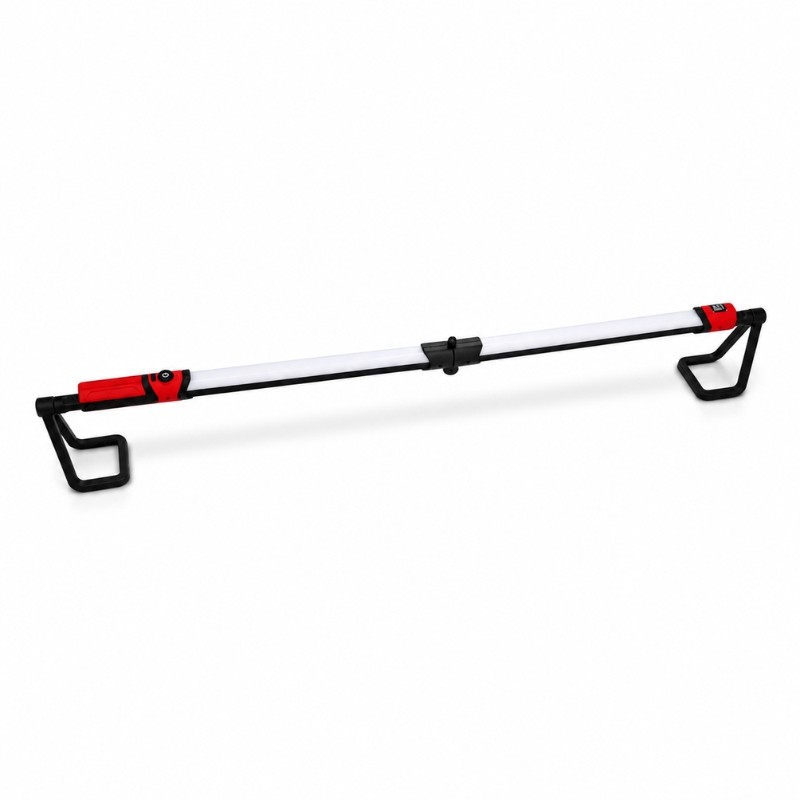
What Makes a Multi-functional Emergency Flashlight Essential for Every Car?
As a person who highly values preparedness, I am keenly aware that roadside emergencies often happen without warning. In these moments, having the right tools can be the deciding factor between a minor inconvenience and a serious crisis. Among the essential items for any vehicle, a reliable and versatile multi-functional emergency flashlight for car stands out as a piece of equipment no driver should be without. Join us as we delve into the reasons why this compact yet powerful device is a fundamental component of any comprehensive vehicle safety kit.
Key Takeaways
- Essential for Nighttime Safety: An emergency flashlight is indispensable for any situation that occurs after dark, such as changing a flat tire, inspecting the engine, or finding items inside the vehicle. Darkness significantly increases the difficulty and danger of a roadside stop, and a powerful light source is crucial for visibility and safety. Having a dedicated light source prevents you from draining your phone's battery, which should be conserved for communication.
- The Advantage of Hands-Free Operation: Many automotive emergency flashlights feature magnetic bases, clips, or hooks. This allows you to attach the light to the car's body, freeing up both of your hands for repairs. This is a significant advantage over standard flashlights or phone lights, which require one hand to hold, making tasks like changing a tire or checking fluid levels far more difficult.
- Key Features to Look For: When choosing a flashlight, several features are paramount. Brightness, measured in lumens, determines the light's intensity; a range of 100-300 lumens is typically sufficient for most roadside tasks. Battery type is also critical, with USB-C rechargeable lithium-ion batteries offering a convenient and reliable option that can be charged in the vehicle. Finally, durability, indicated by an IP rating for water and dust resistance and construction with materials like aircraft-grade aluminum, ensures the flashlight will function reliably in harsh conditions.
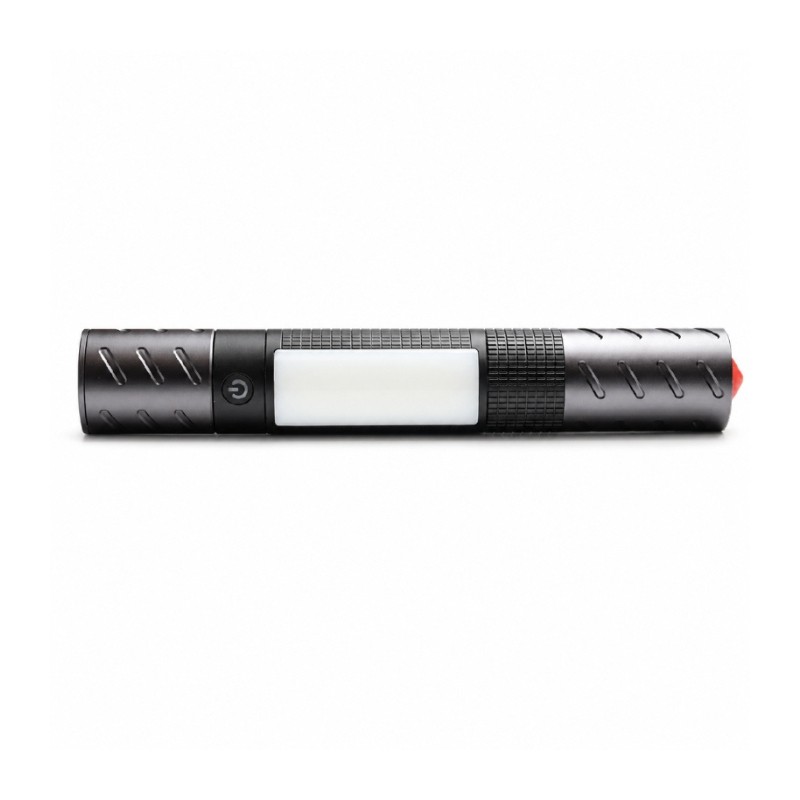
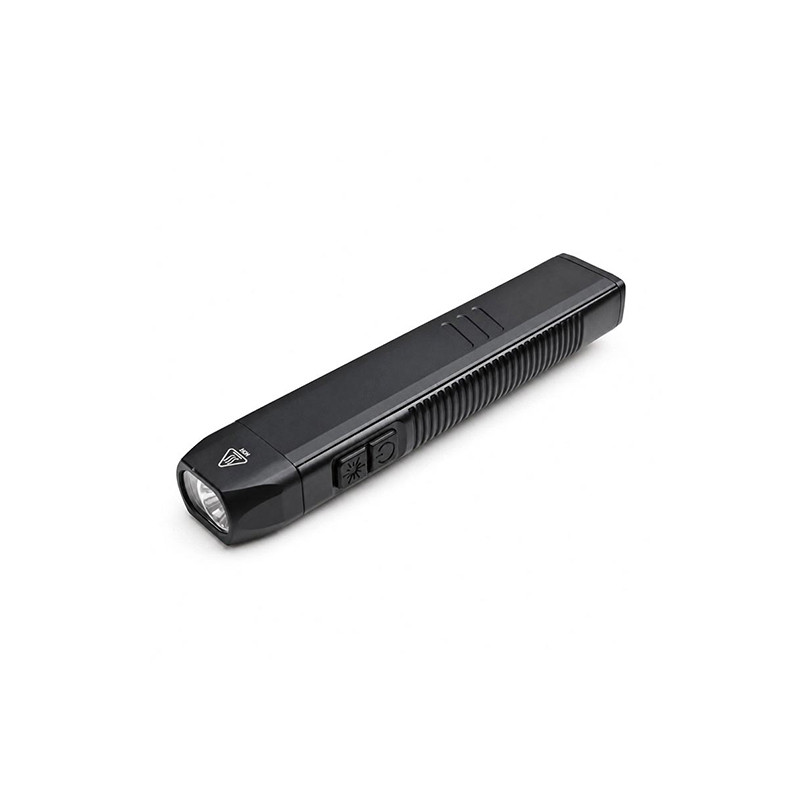
- Versatility Beyond Illumination: A premium multi-functional flashlight offers more than just light. It should have multiple modes, including high, medium, and low beams, a red light to preserve night vision, and a wide-beam COB work light for illuminating large areas like the engine bay. Crucially, it should also include emergency signaling modes like Strobe and SOS to attract help. Many models go even further, integrating life-saving tools like a seatbelt cutter to escape a jammed restraint and a window breaker to shatter tempered glass for a quick exit from the vehicle. Some flashlights even double as a power bank, providing an emergency charge for your mobile phone.
Why an Emergency Flashlight for Your Car is a Non-Negotiable Safety Device
A mechanical failure or flat tire is an inconvenience in broad daylight, but it can quickly escalate into a frightening ordeal at night. The diminished visibility and the potential isolation of a nighttime breakdown introduce significant risks that every driver should be prepared for. This is where a dedicated, high-quality flashlight transitions from a mere accessory to a non-negotiable piece of safety equipment. It provides critical illumination for diagnostics and repairs, acts as a powerful signaling device, and offers a sense of security in a stressful situation.
Navigating Unexpected Nighttime Situations
Imagine your car sputters to a stop on a remote, unlit road. The statistics are sobering: the fatality rate for traffic incidents is three times higher at night compared to the daytime. A significant portion of this increased risk is due to severely limited visibility. Even with headlights, a driver's visibility is reduced to about 500 feet with high beams and just 250 feet with normal headlights, drastically cutting down reaction time. A breakdown at night leaves you vulnerable not just to the mechanical issue itself, but to other drivers who may not see you in time and to potential criminal threats due to the isolation.
In this scenario, a powerful flashlight becomes your first line of defense. It allows you to:
- Assess the situation: Is it a flat tire? Is there smoke from the engine? A bright, reliable light is essential for inspecting your vehicle to understand the problem, something that is nearly impossible in the dark.
- Increase your visibility: Beyond your car's hazard lights, a flashlight can be used to signal your presence to oncoming traffic, preventing a secondary accident. This is especially critical since navigating around breakdown scenes is harder for other drivers in the dark.
- Find essential items: Whether you need to locate your phone, find your insurance information in the glove box, or retrieve tools from the trunk, a flashlight makes the task simple and quick without fumbling in the dark.
Relying on a smartphone's built-in light is a common but risky mistake. Phone lights drain the battery quickly, and you need to conserve that power for making emergency calls. Furthermore, they lack the intensity, durability, and special features of a dedicated emergency tool.
The Power of Hands-Free Illumination
Anyone who has tried to perform a simple task like changing a tire or checking engine fluids in the dark knows the frustration of juggling a flashlight with one hand while trying to work with the other. This is not just inefficient; it's also unsafe. The best emergency flashlights designed for automotive use solve this problem with innovative hands-free features.
Many superior models are equipped with a strong magnetic base. This incredibly useful feature allows you to attach the flashlight directly to any metallic surface on your car, such as the underside of the hood, a fender, or the vehicle frame. Once mounted, it provides a stable, fixed source of light exactly where you need it, freeing both of your hands to safely and effectively handle tools and perform repairs.
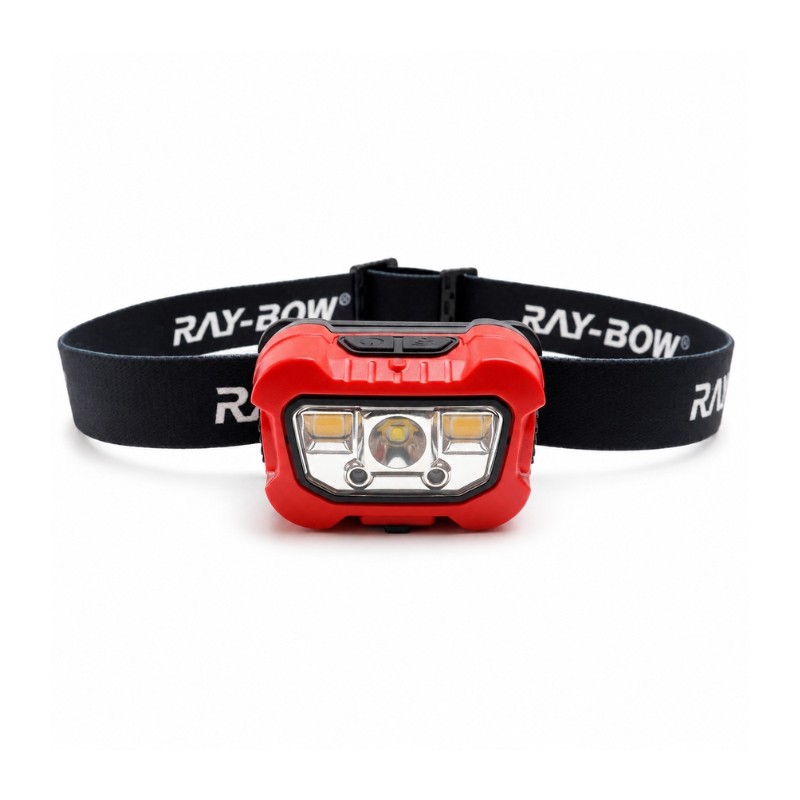
While a headlamp also offers hands-free lighting, a magnetic flashlight provides a distinct advantage: stability. A headlamp's beam moves with your head, which can be disorienting when you need consistent light on a specific bolt or connection. In contrast, a magnetic light stays locked in place, providing unwavering illumination on your work area. This is particularly beneficial for tasks such as:
- Changing a flat tire.
- Inspecting the engine bay for leaks or damage.
- Working underneath the vehicle.
Some flashlights further enhance this functionality with rotating heads or adjustable bodies, allowing you to pivot the beam up to 105 degrees to achieve the perfect angle without repositioning the entire light. When facing a roadside repair, the ability to work with both hands isn't a luxury—it's a necessity for speed, efficiency, and most importantly, your safety.

Key Features Defining a Superior Emergency Flashlight for Car Preparedness
Not all flashlights are suited for the demanding environment of a vehicle emergency kit. A superior model is defined by a specific set of features that ensure reliability, performance, and versatility when you need them most. From the raw power of its beam to its ability to withstand extreme temperatures and rough handling, every component plays a role in its effectiveness. Understanding these key features is the first step in choosing a tool you can truly depend on.
Understanding Lumens: The Core of Effective Lighting
When selecting a flashlight, "lumens" is the specification you'll see advertised most prominently. In simple terms, lumens (lm) measure the total amount of visible light emitted by a light source. A higher lumen number generally means a brighter light. However, more lumens isn't always better, as it comes with a trade-off in battery consumption and can sometimes be too intense for close-up tasks.
It's also crucial to understand that lumens alone don't tell the whole story. The perceived brightness and effectiveness of a flashlight are also determined by its optics—the reflector and lens that shape the light. This is why two flashlights with the same lumen rating can have vastly different beam patterns and effective distances.
- Beam Distance (Throw): This measures how far the light can project, which is dependent on the focus of the beam (candela). A tight, focused "spotlight" beam will have a long throw, ideal for spotting hazards far down the road.
- Beam Pattern (Flood): A wide "floodlight" beam illuminates a large area at close range, which is perfect for working in an engine bay or changing a tire.
For a versatile car emergency flashlight, you need a balance. Here is a general guide to lumen levels for roadside tasks:
| Lumen Range | Best Use Case |
|---|---|
| 100–300 Lumens | Sufficient for basic interior tasks like finding items in the glove box, reading a map, or close-range work where you want to conserve battery. |
| 300–1000 Lumens | This is the sweet spot for most car emergency situations. It provides ample light for inspecting the engine, changing a tire on a dark roadside, and making yourself visible to other drivers. |
| 1000+ Lumens | Ideal for signaling for help over long distances or illuminating a large area for search and rescue purposes. A flashlight with this level of output is a powerful tool for maximum visibility. |
A flashlight with adjustable brightness modes is highly recommended. This allows you to use a lower setting to preserve battery life for close-up work and switch to a high-powered beam when maximum brightness and distance are required. Ultimately, the goal is to have enough usable light for any scenario without unnecessarily draining your power source.
Powering Your Light: The Importance of Battery Type
A flashlight is only as reliable as its power source. For a device stored in a car, the battery must be able to withstand extreme temperature fluctuations and long periods of inactivity without failing. The interior of a parked car can reach well over 120°F (49°C) in the summer and drop below freezing in the winter, conditions that can damage or degrade many types of batteries.
Here’s a comparison of common battery types for an emergency car flashlight:
| Battery Type | Pros | Cons | Best for Car Storage |
|---|---|---|---|
| Alkaline (Disposable) | - Widely available and inexpensive. | - Prone to leaking, especially in high heat. - Performance drops significantly in cold weather. |
Not Recommended: The high risk of leakage and poor temperature performance make them unreliable for a car emergency kit. |
| Lithium Primary (Disposable) | - Excellent performance in extreme heat and cold (-40°F to 140°F). - Very long shelf life (up to 20 years). - Leak-resistant. |
- Higher initial cost than alkaline. - Single-use, contributing to waste. |
Excellent: Their resilience to temperature extremes and long-term stability make them a top choice for a "set it and forget it" emergency light. |
| Lithium-Ion (Rechargeable) | - High energy density and performance. - Cost-effective over time. - Eco-friendly due to reusability. |
- Can be sensitive to very high storage temperatures. - Requires periodic recharging (every 2-3 months). |
Very Good (with management): Ideal for those who will remember to periodically check and recharge the flashlight. Their performance and reusability are significant advantages. |
The Modern Solution: USB-C Rechargeable Lithium-Ion
For most users, the most practical and advanced option is a flashlight with an integrated Lithium-Ion (Li-ion) battery that is rechargeable via a USB-C port. This modern standard offers several key advantages for automotive use:
- Convenience: You can easily recharge the flashlight using your car's USB port, a portable power bank, or the same cable you use for your phone or laptop. This eliminates the need to hunt for spare disposable batteries.
- Cost-Effectiveness: While the initial purchase price might be higher, rechargeable batteries save you money over the long term by eliminating the cost of disposable replacements.
- Consistent Performance: Most modern rechargeable flashlights feature regulated output, meaning they maintain consistent brightness throughout the battery's charge cycle, unlike alkaline batteries that cause the light to dim as they drain.
- Fast Charging: USB-C technology allows for significantly faster charging times compared to older micro-USB standards.
While it's true that Li-ion batteries shouldn't be charged while below freezing and can be stressed by extreme heat, their overall convenience and powerful performance make them the superior choice for a regularly maintained car kit. A good practice is to bring the flashlight indoors to charge every few months, ensuring it's always ready for an emergency.
Built to Endure: Durability for Harsh Conditions
An emergency flashlight for your car is not a tool that can afford to be delicate. It will live in a glove compartment or trunk, subject to constant vibrations, temperature swings, and the possibility of being dropped on hard pavement. A durable build is not a luxury; it is a core requirement for reliability. The best materials and construction standards ensure your flashlight will work flawlessly when you pull it out during a crisis.
Material Matters: The Strength of Aircraft-Grade Aluminum
The gold standard for high-quality, durable flashlights is aircraft-grade aluminum alloy, often designated as 6061-T6. This material is chosen for its exceptional strength-to-weight ratio, meaning it is incredibly strong without being heavy or bulky. Flashlights made from this aluminum can withstand significant impacts and resist dents and scratches far better than cheaper plastic models. To further enhance its resilience, the aluminum is often treated with a Type III hard-anodized finish. This process creates a ceramic-like protective layer on the surface that is highly resistant to corrosion, scratches, and general wear, ensuring the flashlight remains in good condition for years.
Understanding Durability Ratings: IP Ratings and Impact Resistance
To help consumers gauge a flashlight's toughness, manufacturers use standardized rating systems. The two most important are the IP rating and the impact resistance rating.
IP (Ingress Protection) Rating: This two-digit code classifies how well a device is sealed against solids (dust) and liquids (water).
- The first digit (0-6) rates protection against solid particles. A rating of 6 means the flashlight is completely dust-tight.
- The second digit (0-8) rates protection against water. This is often the more critical number for a car flashlight, as it might be used in heavy rain or snow.
Here’s what the common water-resistance ratings mean:
- IPX4: Resistant to water splashes from any direction. This is sufficient for use in light rain.
- IPX7: Can be submerged in up to 1 meter of water for 30 minutes. This provides peace of mind if you accidentally drop the flashlight in a puddle or deep snow.
- IPX8: Can be continuously submerged in water deeper than 1 meter (depth specified by the manufacturer). This is the highest level of protection and ensures the flashlight will survive even in extreme wet conditions.
Impact Resistance Rating: This rating, measured in meters, indicates the height from which a flashlight can be dropped onto a hard surface without sustaining damage. A rating of at least 1 meter is a solid benchmark, ensuring the light can survive an accidental fall from your hand onto pavement during a stressful roadside repair.
When choosing an emergency flashlight, look for one constructed from aircraft-grade aluminum with at least an IPX4 rating for water resistance and a 1-meter impact resistance rating. These features guarantee that your tool is built to endure the harsh realities of a roadside emergency.
Versatility Through Multiple Modes: Enhancing Your Emergency Flashlight for Car Scenarios
A single, steady beam of light is useful, but the true value of a multi-functional emergency flashlight lies in its versatility. Modern flashlights are equipped with a variety of lighting modes designed to adapt to the specific demands of any situation, from preserving your night vision during a quick check under the hood to signaling for help across a long distance. These specialized modes transform a simple tool into an advanced safety device.
Adapting Light to Every Situation
A premium emergency flashlight offers much more than a single beam. It provides a suite of lighting modes that allow you to precisely tailor the illumination to the task at hand, enhancing both functionality and safety.
Standard Brightness Modes (High, Medium, Low) Most quality flashlights come with at least three primary brightness levels. This isn't just a gimmick; it's a critical feature for managing battery life and adapting to different needs:
- High Mode: Delivers the maximum lumen output for situations requiring intense, long-distance illumination. It's perfect for scanning a dark road ahead or signaling for help. However, this mode consumes the most power and can generate heat.
- Medium Mode: Offers a balance between brightness and runtime. It provides ample light for most roadside tasks like changing a tire or inspecting the engine, making it a practical go-to setting.
- Low Mode: Ideal for close-range tasks where intense brightness would be blinding or unnecessary, such as reading a map, finding something inside the car, or simply providing ambient light. This mode conserves the most battery life, significantly extending the flashlight's runtime in a prolonged emergency.
Specialty Illumination: Red Light and COB Work Light Beyond standard white light, many advanced emergency flashlights include specialized emitters for specific functions:
- Red Light Mode: This feature is invaluable for preserving night vision. The human eye adapts to darkness over about 30 minutes, and exposure to bright white light can instantly reset this process. Red light, with its longer wavelength, provides enough illumination for close-up tasks without contracting your pupils, allowing you to maintain your situational awareness of the darker surroundings. It's perfect for checking on passengers or reading controls inside the car without blinding yourself.
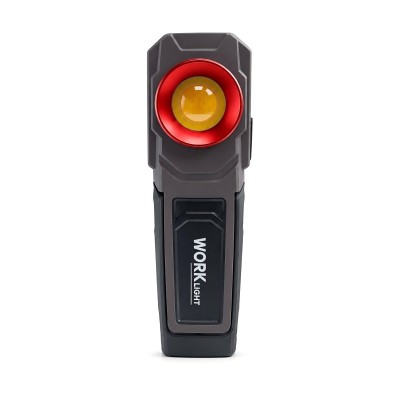
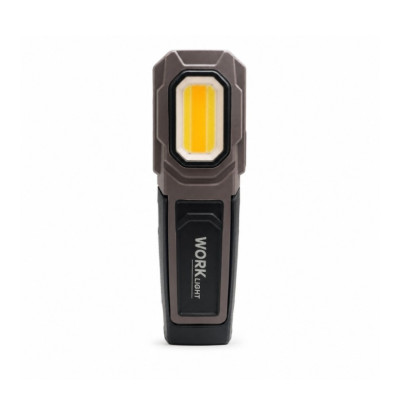
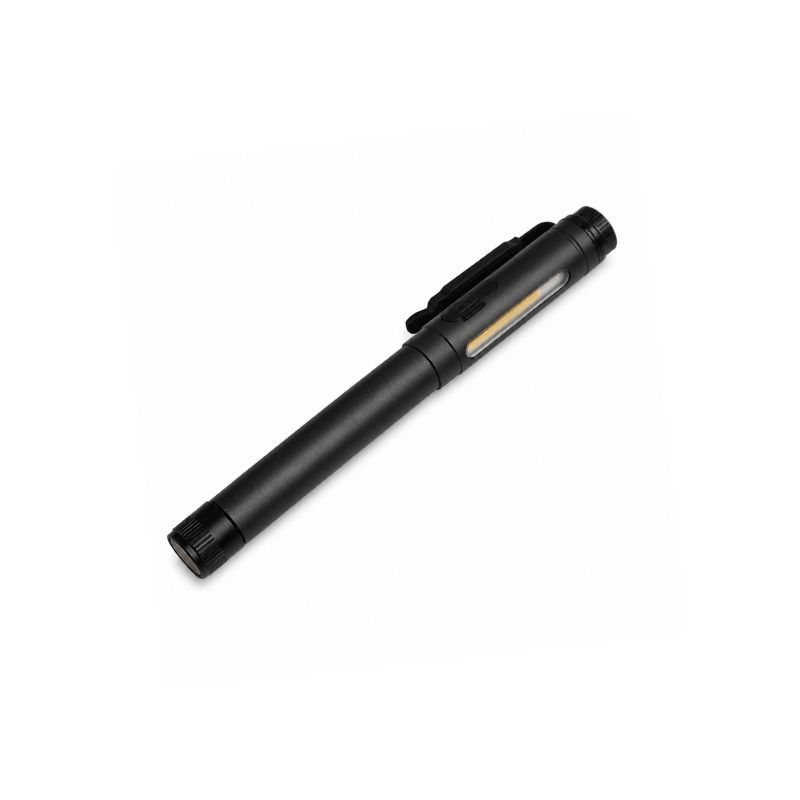
- COB Work Light: Many multi-functional models integrate a broad COB (Chip-on-Board) panel on the side of the flashlight. Unlike the focused beam of the main light, a COB light produces a wide, even flood of illumination, similar to a work lamp. This is exceptionally useful for lighting up a large, uniform area like an entire engine bay or the side of your vehicle while you work, eliminating the need to constantly reposition a narrow spotlight.

The Critical Role of Strobe and Special Modes
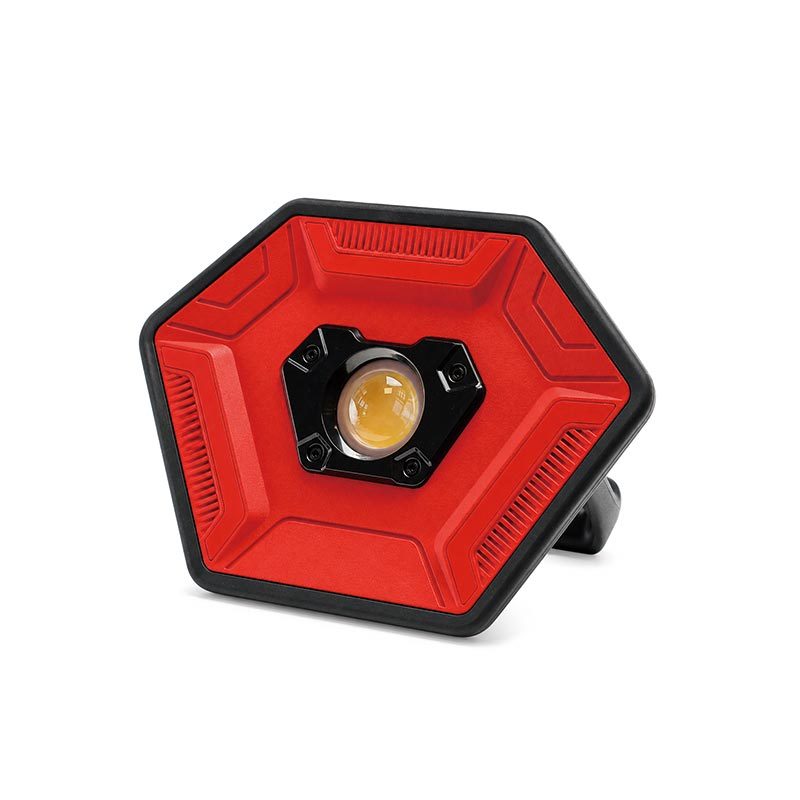
In a high-stress emergency, a flashlight's role can extend beyond simple illumination. The most versatile models are equipped with special modes designed specifically for signaling and self-defense, providing critical tools for attracting help or creating an opportunity to escape a dangerous situation. For roadside incidents requiring broader illumination, dedicated emergency response lights can help improve visibility and support emergency operations.
Signaling for Help: Strobe and SOS Modes
When you are stranded on a dark road, being seen is paramount. While hazard lights are a start, they can be insufficient in poor weather or from a long distance. This is where dedicated signaling modes become invaluable.
- Strobe Mode: This function emits a powerful, rapid, and disorienting series of flashes. A high-lumen strobe is incredibly effective at attracting attention from a great distance, making it much easier for passing vehicles or first responders to locate you. The intense flashing can also be used as a non-lethal self-defense tool; shining it in an attacker's eyes can cause temporary blindness and disorientation, giving you precious seconds to retreat to safety.
- SOS Mode: Some advanced flashlights include an SOS mode, which automatically flashes the light in the internationally recognized Morse code distress signal (three short flashes, three long flashes, three short flashes). This is a universal call for help that can be crucial in a true emergency where you need to communicate distress to anyone who might see the signal.
Beyond Light: Integrated Self-Defense and Escape Tools
The "multi-functional" aspect of a high-quality emergency flashlight often includes life-saving hardware integrated directly into its chassis. These tools are designed for "worst-case anarios" where you might be trapped in your vehicle after an accident.
- Seatbelt Cutter: In a severe collision, a seatbelt mechanism can jam, trapping occupants in the vehicle. A built-in seatbelt cutter, typically a small, shielded razor blade integrated into the flashlight's body, allows you to quickly and safely slice through a jammed belt, freeing yourself and your passengers.
- Window Breaker (Glass Hammer): If a car's doors are jammed shut or its electronics fail after a crash or submersion, powered windows will not work. An emergency window breaker, usually a hardened steel or tungsten carbide tip on the end of the flashlight, is designed to shatter tempered side-window glass with minimal effort. This creates a vital escape route when all others are blocked. For buyers considering a China emergency light with built-in window breaker, the accessibility and secure integration of the tool are additional design considerations.
Some emergency flashlights even incorporate a stun gun feature. These devices deliver a high-voltage, low-amperage shock upon contact, designed to cause pain and muscle disruption to an attacker, providing an opportunity to escape. While they can be an effective deterrent, it's crucial to check your local laws regarding their legality and to understand that their effectiveness can vary.
Selecting a Trustworthy Emergency Flashlight for Car Safety: Quality and Innovation
With countless flashlights on the market, choosing one that you can truly depend on requires careful consideration. A trustworthy emergency tool is more than just a collection of features; it is a product of quality manufacturing, thoughtful design, and a commitment to reliability. Focusing on reputable brands and innovative features designed specifically for automotive use will ensure you invest in a device that won't fail when you need it most. For brands sourcing a China customized emergency light with built-in window breaker, manufacturing consistency and quality control are equally important considerations.
The Assurance of Reputable Brands
In an emergency, the last thing you want is for your equipment to fail. This is why placing your trust in a reputable brand is a critical step in selecting a car flashlight. Established brands like Fenix, Nitecore, Olight, and Streamlight have built their reputations over years by consistently delivering high-quality, reliable, and durable products.
Here’s what you gain by choosing a well-known brand:
- Quality Assurance: Reputable brands adhere to high manufacturing standards, using premium materials like aircraft-grade aluminum and top-tier electronics. They often follow the ANSI/PLATO FL-1 standard, which provides honest and comparable specifications for lumen output, beam distance, and runtime, so you can trust the numbers on the box.
- Reliability and Durability: These brands invest heavily in research and development to create products that are proven to be reliable. Their flashlights are rigorously tested to withstand harsh conditions, ensuring they will function in extreme heat, cold, rain, or after being dropped.
- Warranty and Customer Support: A strong warranty is a sign that a company stands behind its products. Top brands typically offer comprehensive warranties, ranging from two years to a limited lifetime guarantee, covering manufacturing defects. This means if your flashlight fails due to a fault in its construction, the company will repair or replace it, providing long-term peace of mind. Good customer support ensures that if you do have an issue, there is a responsive team ready to help.
While it can be tempting to opt for a cheaper, unknown brand, an emergency tool is not the place to cut corners. Investing in a flashlight from a trusted manufacturer ensures that you are getting a product engineered for performance and backed by a promise of quality.
Innovations in Design for Automotive Use
The basic concept of a flashlight has evolved dramatically. Today’s best emergency tools are no longer just sources of light; they are compact survival hubs packed with innovative features designed for modern challenges. When selecting a flashlight for your car, look beyond basic illumination and consider these cutting-edge advancements.
Integrated Power Bank for Charging Devices One of the most practical innovations in modern emergency flashlights is the inclusion of a built-in power bank. In an emergency, your smartphone is your lifeline for calling for help, checking your location, and communicating with family. However, a dead phone battery can leave you completely isolated.
An emergency flashlight with a USB output port allows you to use its internal battery to give your phone a critical charge. Many models are equipped with high-capacity batteries (e.g., 2000mAh or more) that can provide enough power to make several emergency calls or send important messages. This feature turns your flashlight into a dual-purpose tool, ensuring you have both light and communication when it matters most.
Alternative Charging Methods: Solar and Hand-Crank To ensure your flashlight is always ready, even if you forget to recharge it, many models now incorporate alternative charging methods.
- Solar Panel: A small, integrated solar panel on the body of the flashlight allows it to passively recharge its battery when exposed to sunlight. While it may not provide a full, rapid charge, leaving the flashlight on your car's dashboard during the day can help keep the battery topped off, ensuring it’s ready for an emergency.
- Hand-Crank Dynamo: Some emergency tools include a fold-out hand-crank generator. In a situation where both battery and solar power are unavailable, a few minutes of cranking can generate enough power for several minutes of light—a potentially life-saving feature in a prolonged emergency.
These innovative charging solutions provide multiple layers of redundancy, giving you confidence that your flashlight will have power no matter the circumstances.
Conclusion: Your Proactive Step Towards Road Safety
In conclusion, equipping your car with a high-quality, multi-functional emergency flashlight is a small but powerful proactive step towards ensuring your safety on the road. It transforms the uncertainty of a roadside emergency into a manageable situation. This single, compact device provides not only reliable illumination for diagnostics and repairs but also versatile functions for signaling, self-defense, and even escaping a wrecked vehicle. By ensuring we are prepared for the unexpected, this tool offers invaluable peace of mind. Let's make readiness a priority and ensure this essential safety device is always within arm's reach in every one of our vehicles.
We encourage you to share this article with friends and family to help spread awareness about roadside safety. What is the most important feature you look for in an emergency flashlight? Let us know in the comments below!
Frequently Asked Questions (FAQs)
Q1: Where is the best place to store an emergency flashlight in my car?
The ideal location for storing your emergency flashlight is somewhere easily accessible from the driver's seat, such as the glove compartment, center console, or a door pocket. The goal is to be able to retrieve it quickly without having to exit the vehicle, especially in a dangerous or high-traffic situation. Avoid storing it in the trunk, as it may be inaccessible after a rear-end collision or if the trunk latch fails. While keeping it accessible, also be mindful of extreme temperatures. Avoid leaving it in direct sunlight on the dashboard, as prolonged exposure to high heat can degrade the battery and electronic components over time.
Q2: How often should I check the battery on my car's emergency flashlight?
It is a good practice to check your emergency flashlight every three to six months. For rechargeable models, this is a perfect time to top off the battery using a USB charger. For models with disposable batteries, especially alkaline, this check is crucial to ensure they haven't leaked or corroded. If you use lithium primary batteries, which have a very long shelf life, an annual check is often sufficient. A simple way to remember is to check your car's emergency kit, including the flashlight, when you perform other seasonal vehicle maintenance, like checking your tire pressure or preparing for winter.
Q3: Is a smartphone's flashlight good enough for a car emergency?
While a smartphone flashlight is better than nothing, it is not a sufficient replacement for a dedicated emergency flashlight. There are several reasons for this:
- Battery Drain: Using your phone's flashlight will rapidly drain its battery, which should be conserved for emergency calls and communication.
- Lack of Durability: Smartphones are fragile and not designed to be used as tools. They can be easily damaged if dropped on pavement or exposed to water, oil, or extreme temperatures.
- Limited Brightness and Functionality: Phone lights are typically not as bright as dedicated flashlights and lack critical features like a focused long-distance beam, strobe/SOS modes, a red light option, or a wide-angle work light.
- No Hands-Free Capability: You cannot mount a phone to your car's hood to illuminate an engine bay, forcing you to hold it and leaving you with only one hand to work.
- No Integrated Tools: A phone cannot help you cut a jammed seatbelt or break a window to escape your vehicle. A dedicated multi-functional flashlight is an investment in reliable, purpose-built safety.