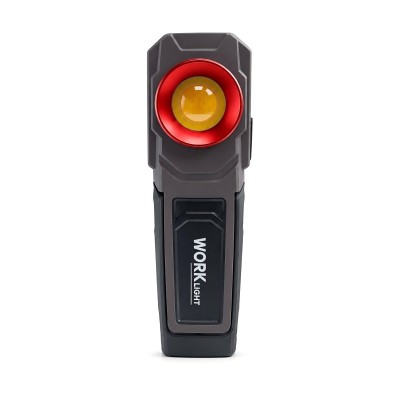
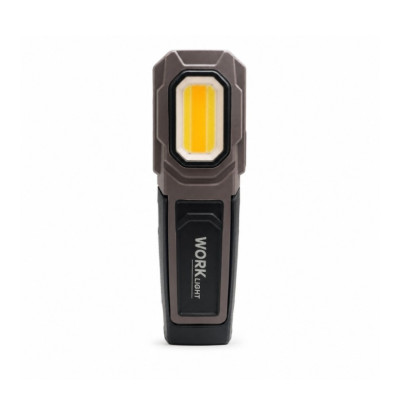
Understanding Pocket Flashlight Technology: Materials, Modes, and Beyond.
As professionals, we understand the critical role reliable tools play in our work—and sometimes, the most overlooked tool can be the most valuable: our pocket flashlight. Forget those flimsy, unreliable lights; we're talking about advanced Pocket Flashlight technology designed to illuminate your toughest tasks, whether you're an electrician, a technician, or anyone who needs precision lighting on the job. Join us as we dive into what makes a superior pocket flashlight and how to choose the perfect one to keep us productive and safe.
Key Takeaways
This guide provides a comprehensive exploration of modern pocket flashlight technology, designed to help professionals make informed decisions. Here are the essential points to remember:
Material and Build Quality are Non-Negotiable: The foundation of a reliable work light is its construction. Aerospace-grade aluminum is the industry standard for its exceptional balance of strength, lightweight properties, and superior heat dissipation. This material ensures that the flashlight can withstand drops, impacts, and the general abuse of a demanding work environment. Coupled with stringent waterproof and dustproof ratings, such as IP67 or IP68, the physical resilience of a flashlight is the first indicator of its professional-grade quality. Durability isn't a luxury; it's a core requirement for a tool you depend on daily.
Beam Quality and Optics Trump Raw Lumens: While high lumen counts are often a primary marketing focus, the quality of the light beam is far more critical for professional use. The optic system—whether a Total Internal Reflection (TIR) lens for a smooth, homogenous beam or a polished reflector for maximum throw—dictates how the light is shaped. A well-designed beam provides clean, artifact-free illumination, reducing eye strain and improving clarity during detailed inspection tasks. Furthermore, attributes like Color Rendering Index (CRI), which measures how accurately colors are reproduced, are vital for electricians and technicians who need to distinguish between different colored wires or components. A high-CRI light can prevent costly and dangerous mistakes.
Intelligent Power Management is Key to Performance and Longevity: Modern flashlights are powerful devices that generate significant heat and consume substantial energy. Effective thermal management systems, often using copper heat sinks and intelligent software that steps down brightness to prevent overheating, are crucial for maintaining both performance and the lifespan of the LED. On the battery front, the shift to rechargeable lithium-ion cells (like the 18650 or 21700) and integrated charging solutions like USB-C and magnetic ports has revolutionized convenience and efficiency. Understanding how to properly charge and maintain these batteries is essential for maximizing their health and ensuring your flashlight is always ready when you need it.
Functionality Must Align with Professional Needs: A work flashlight must be more than just a source of light; it needs to be a functional tool designed for specific tasks. This includes having a user interface that is simple and can be operated with one hand, even while wearing gloves. Features like a strong, deep-carry pocket clip ensure the light is secure yet accessible. A magnetic tailcap provides hands-free lighting options by allowing the flashlight to be mounted on any ferrous surface. For specialized work, additional functions such as UV light for leak detection, green light for preserving night vision, or a high-CRI sidelight for wide-area illumination can transform a simple flashlight into an indispensable diagnostic instrument.
Understanding the Core Technology of a Professional Pocket Flashlight
A professional-grade Pocket Flashlight is a marvel of engineering, packed with technology that far surpasses the simple on/off lights of the past. To truly appreciate what sets a premium tool apart, we need to look beyond the brightness and examine the core components that define its performance, durability, and usability. From the metal it's forged from to the invisible systems that keep it running cool, every element is designed with the professional user in mind.
Materials and Durability: Why Aerospace-Grade Aluminum Matters for Your Pocket Flashlight
A professional tool must be able to withstand the rigors of the job site. For a modern pocket flashlight, this starts with its body. The standard for high-quality lights is aerospace-grade aluminum, such as 6061-T6 or 7075-T6 alloys. This material is chosen for its exceptional strength-to-weight ratio, which means you get a tool that is tough enough to survive drops and impacts without being uncomfortably heavy to carry all day.
The advantages of aluminum extend beyond mere strength:
- Corrosion Resistance: Aluminum naturally resists rust and oxidation, making it reliable in damp or humid environments.
- Heat Dissipation: High-output LEDs produce significant heat. Aluminum bodies act as an effective heat sink, pulling warmth away from the sensitive electronics and dissipating it into the air, which is crucial for maintaining performance.
- Durability and Finish: To protect against scratches and wear, these aluminum bodies are treated with Type III hard-anodizing. Unlike paint, which is a coating that can chip or peel, anodizing is an electrochemical process that converts the surface of the aluminum into a much harder, more durable oxide layer. This "hardcoat" finish is exceptionally resistant to abrasion and is a hallmark of professional-grade equipment built for heavy use.
Beyond the material, durability is quantified by standardized ratings:
| Rating Type | Standard | What It Measures | Importance for Professionals |
|---|---|---|---|
| IP Rating | IEC 60529 | Protection against the ingress of solid particles (dust) and liquids (water). | An IP68 rating, for example, means the light is completely dust-tight and can be submerged in water, ensuring reliability in all weather conditions. |
| IK Rating | IEC 62262 | Protection against mechanical impact, measured in joules. | An IK08 rating can withstand a 5-joule impact, while an IK10 rating can handle 20 joules, protecting the light from significant drops and strikes. |
When you select a pocket flashlight made from hard-anodized, aerospace-grade aluminum with high IP and IK ratings, you're not just buying a light; you're investing in a resilient tool engineered to survive the demands of your work environment.
Beam Quality and Optics: Seeing Clearly with Your Pocket Flashlight
Sheer brightness, measured in lumens, is only a small part of the story. For professional work, the quality of the light beam is often more important. This quality is determined by the flashlight's optics—the system of lenses and/or reflectors that shapes the light from the LED into a useful beam.
A flashlight beam generally consists of two main parts:
- Hotspot: The bright, concentrated center of the beam. This is what provides long-distance illumination or "throw."
- Spill: The dimmer light that surrounds the hotspot. Good spill is essential for peripheral vision and illuminating your immediate work area without having to constantly move the light.
The two most common types of optics used to create this beam are reflectors and TIR lenses:
Reflectors: A classic and effective solution.
- Smooth (SMO) Reflectors: These have a mirror-like finish and are designed to maximize throw. They create a very defined, intense hotspot, which is ideal for long-range spotting. The downside is that they can sometimes create distracting rings or artifacts in the beam.
- Orange Peel (OP) Reflectors: These have a textured surface that slightly diffuses the light. This creates a smoother, more uniform beam with a softer transition between the hotspot and the spill, making it more comfortable for close-up tasks.
TIR (Total Internal Reflection) Lenses: A more modern and versatile approach. A TIR lens is a single piece of molded plastic or glass that sits over the LED.
- How They Work: TIR lenses use both refraction and internal reflection to capture and direct a very high percentage of the light produced by the LED. This high efficiency means less light is wasted as undirected spill.
- Advantages: They are compact and allow for precise shaping of the beam. Engineers can design them to produce anything from a tight, throw-oriented beam to a perfectly even, wide floodlight. They are renowned for producing smooth, high-quality beams with no distracting artifacts, making them ideal for inspection work.
Beyond the beam shape, the quality of the light itself is critical. This is where the Color Rendering Index (CRI) becomes important. CRI is a scale from 0 to 100 that measures how accurately a light source reveals the true colors of an object compared to natural sunlight.
- Low CRI (70-80 Ra): Common in flashlights that prioritize maximum brightness. Colors can appear washed out or distorted.
- High CRI (90+ Ra): Essential for professionals. A high-CRI light allows an electrician to easily distinguish between different colored wires or a mechanic to spot subtle differences in fluid colors. It reduces eye strain and provides a much clearer, more natural view of your work area.
For professional use, a flashlight with a clean, well-shaped beam from a quality optic (like a TIR lens or OP reflector) and a high-CRI LED is vastly superior to a light that only boasts a high lumen number. It’s the difference between just seeing, and seeing clearly.
Thermal Management: Keeping Your High-Performance Pocket Flashlight Cool
High-performance pocket flashlights generate a surprising amount of heat. While modern LEDs are far more efficient than old incandescent bulbs, a significant portion of their electrical energy is still converted into heat rather than light. When you push thousands of lumens through a small LED in a compact body, managing that heat becomes one of the most critical aspects of flashlight design.
Excessive heat is the enemy of performance and longevity. It can:
- Reduce LED Lifespan: For every 10°C increase in an LED's operating temperature, its lifespan can be cut by as much as 30-50%. Heat accelerates the degradation of the light-emitting chip and the phosphor that creates white light.
- Decrease Efficiency: As an LED gets hotter, its efficiency drops, meaning more energy is wasted as even more heat, creating a vicious cycle.
- Damage Electronics: The driver board and other electronic components are sensitive to high temperatures. Overheating can cause them to malfunction or fail completely.
- Create Safety Risks: In extreme cases, overheating can damage the battery, leading to venting or other hazardous failures.
To combat this, manufacturers employ several thermal management strategies:
1. Passive Cooling (Heat Dissipation): The first line of defense is to move heat away from the LED and out of the flashlight.
- Heat Sinks: The heat from the LED is transferred to a Metal Core Printed Circuit Board (MCPCB), which is often made of copper for its excellent thermal conductivity. This board is then thermally coupled to the flashlight's body. Some designs use a solid copper pill or head section to absorb and spread heat more effectively than aluminum alone.
- Body Design: The aluminum body of the flashlight acts as a large heat sink. Features like cooling fins cut into the head increase the surface area, allowing heat to dissipate into the surrounding air more efficiently.
2. Active Cooling: While less common in pocket-sized lights due to size and complexity, some extremely high-output models incorporate active cooling, such as small, built-in fans, to force airflow over the heat sinks and maintain high brightness levels for longer periods.
3. Intelligent Thermal Regulation: The smartest solution in modern flashlights is electronic thermal management.
- Timed Step-Down: A basic method where the flashlight automatically reduces its brightness from "Turbo" mode to a lower level after a fixed period (e.g., 30-90 seconds). This is a preventative measure but isn't responsive to actual conditions.
- Advanced Temperature Regulation (ATR): This is a much more sophisticated system. A sensor on the driver board continuously monitors the internal temperature. When the flashlight reaches a preset thermal limit (e.g., 55°C), the firmware automatically reduces the output just enough to prevent overheating. If the light cools down (for example, due to a cool breeze or being held in water), ATR may allow the brightness to ramp back up. This dynamic adjustment provides the maximum sustainable output for the current conditions, protecting the light and maximizing performance.
A hot flashlight body isn't necessarily a sign of a bad design; in fact, it often means the thermal management system is working correctly by pulling heat away from the sensitive internal components and moving it to the exterior. A well-engineered pocket flashlight uses a combination of superior materials and intelligent software to run as brightly as possible for as long as possible, without destroying itself in the process.
User Interface and Ease of Use: Operating Your Pocket Flashlight with Gloves On
A powerful light is useless if it's cumbersome to operate, especially in a professional setting where you might be wearing gloves, working in a tight space, or need to react quickly. A well-designed user interface (UI) is intuitive, efficient, and reliable under pressure.
The Great Switch Debate: Tail Switch vs. Side Switch
The placement of the main switch is a primary factor in a flashlight's usability. Both tail switches and side switches have dedicated followings and distinct advantages for professional use.
| Feature | Tail Switch | Side Switch |
|---|---|---|
| Grip & Activation | Promotes a "tactical" or "cigar" grip. Activated by the thumb. Very easy to find by feel without looking. | Promotes a more relaxed "saber" grip. Activated by the thumb while holding the light naturally. |
| Pros | - Instinctive Activation: Always in the same place at the end of the light. Easy to find and press, even with thick gloves. - Reduced Accidental Activation: Often recessed, making it less likely to turn on in a pocket or tool bag. - Momentary-On: Many tail switches allow for momentary activation with a half-press, ideal for quick flashes of light. | - Mode Changing: Easier to cycle through modes with the same hand holding the light. - Comfort for Prolonged Use: The grip can be more comfortable for extended periods of use. - Enables Other Features: Frees up the tailcap for a magnet or to allow the light to tail-stand (stand vertically to light up a room). |
| Cons | - Mode Changing: Can be awkward, often requiring two hands or a "twist the head" motion to change brightness. - Tail-standing: A protruding switch prevents the light from standing on its tail. | - Harder to Locate: Can be difficult to find by feel, especially in the dark or with gloves on. - Accidental Activation: More prone to being pressed accidentally in a pocket. A "lockout" function is often necessary. |
| Best For | Tactical applications, quick checks, situations where gloves are always worn. | General work, inspections, hands-free use with a magnet, prolonged use. |
Some advanced designs offer the best of both worlds with a dual-switch system: a tactical tail switch for on/off and momentary activation, and a side switch for easy mode changing.
Key UI Features for Professionals:
Beyond the switch type, several UI features are critical for efficient workflow:
- Mode Memory: An intelligent UI remembers the last brightness level you used. This prevents you from being blinded by Turbo mode when you just need a dim light for reading a schematic, or having to cycle through low modes when you need maximum brightness immediately.
- Direct Access to Key Modes: A good UI provides shortcuts. For example:
- Long press from off for Moonlight/Low mode.
- Double-click from on or off for Turbo mode.
- Triple-click for Strobe mode. This eliminates the need to cycle through every level to get to the one you need.
- Intuitive Mode Groups: Some UIs allow you to switch between different sets of modes. For example, a "Work" group with Low-Medium-High and a "Tactical" group with High-Strobe only. This customizability ensures the light is tailored to your specific task.
- Electronic Lockout: To prevent accidental activation, especially with side switches, a lockout function is essential. This is usually activated by holding the button for a few seconds or by a series of clicks, disabling the switch until it's intentionally unlocked. A physical lockout, achieved by slightly unscrewing the tailcap, is another foolproof method.
When you're trying to diagnose a problem in a dark, cramped engine bay or electrical panel, you can't be fumbling with your light. The interface should be second nature, allowing you to focus on the task, not the tool.
Powering Your Pocket Flashlight: Charging Solutions and Battery Optimization
The engine of any high-performance pocket flashlight is its power source. Gone are the days of disposable alkaline batteries that offer poor performance and risk leaking. Today's professional lights are built around rechargeable lithium-ion (Li-ion) batteries and feature sophisticated, integrated charging systems that prioritize convenience, safety, and speed.
USB-C Charging for Your Pocket Flashlight: Convenience and Universality
The adoption of USB-C as a charging standard has been a game-changer for professional tools, and pocket flashlights are no exception. This single, universal connector has streamlined the charging process for a multitude of devices, from phones and tablets to laptops and now, high-performance lighting. The convenience for a professional in the field is undeniable.
The primary benefit of a USB-C charging port is universality. You no longer need a proprietary cable or a dedicated charging cradle for your flashlight. The same cable that charges your phone in the truck, your laptop at the office, or connects to a portable power bank on a remote job site can now be used to top off your flashlight. This consolidation simplifies your everyday carry and reduces gear clutter.
Key characteristics of USB-C charging include:
- Reversible Connector: The symmetrical design of the USB-C plug means there's no "wrong way" to plug it in, eliminating fumbling and frustration, especially in low-light conditions.
- Faster Charging Speeds: USB-C supports the USB Power Delivery (USB-PD) standard, which allows for higher power transfer than older USB formats. While the flashlight's internal charging circuit ultimately determines the speed, a USB-C port enables significantly faster charging times compared to its micro-USB predecessor.
- Durability: The USB-C connector is engineered to be more robust and withstand more insertion cycles than micro-USB, a crucial feature for a tool that sees daily use.
However, incorporating a physical port into a flashlight designed for rugged environments presents a challenge: waterproofing. To maintain a high IP rating (like IP68, for submersion), the USB-C port must be sealed. This is typically achieved with a snug-fitting rubber or silicone cover. While effective, these covers can be a potential point of failure; they can tear, get lost, or fail to seal properly if dirt or debris gets in the way. Some premium flashlights address this by using internally waterproofed USB-C ports, which do not rely solely on the external cover for protection.
Pros and Cons for the Professional Pocket Flashlight User
Pros:
- Ultimate Convenience: Use the same cable and charger for multiple devices.
- Faster Charging: Reduces downtime by getting your light back to full power more quickly.
- Future-Proof: USB-C is the established modern standard for electronics.
- No Proprietary Cables: Easy to find a replacement cable if yours is lost or damaged.
Cons:
- Potential Water Ingress: The port's seal is a potential weak point for water and dust if not properly secured or if damaged.
- Cover Can Be Lost or Damaged: The rubber port cover is a small, separate piece that can be torn or misplaced, compromising the seal.
For most professionals, the sheer convenience of USB-C charging far outweighs the minor risk associated with the port cover, especially on a well-designed flashlight with a robust seal.
Magnetic Charging for Your Pocket Flashlight: Sealed and Secure Connections
An alternative and increasingly popular charging method is the magnetic connection. This system does away with physical ports entirely, opting instead for a set of exposed metal contacts on the flashlight's body (usually the tailcap). A proprietary USB cable with a magnetic "puck" at the end snaps onto these contacts to initiate charging.
This design offers several distinct advantages, particularly for those working in harsh or dirty environments.
- Superior Sealing: The primary benefit of magnetic charging is enhanced durability and water resistance. With no physical port cut into the body and no rubber flap to fail, the flashlight is inherently better sealed against water, dust, mud, and sand. The charging contacts are part of a solid, sealed unit, making it an excellent choice for achieving high IP ratings like IPX8.
- Ease of Connection: Connecting the charger is effortless, even in complete darkness. The powerful neodymium magnets guide the charging puck into place, ensuring a perfect connection every time without fumbling. This "snap-on, snap-off" functionality is quick and satisfying.
- Reduced Wear and Tear: There are no ports to wear out from repeated plugging and unplugging. The magnetic connection is a surface-level contact, reducing the risk of mechanical failure over the life of the tool. If the cable is accidentally snagged, it safely detaches without damaging the flashlight or the port.
Despite these engineering advantages, magnetic charging is not without its trade-offs.
Pros and Cons for the Professional Pocket Flashlight User
Pros:
- Excellent Durability: No port or rubber cover to damage, lose, or get clogged with debris.
- Effortless Connection: "Blind mating" capability makes it easy to connect in the dark or with one hand.
- Enhanced Water/Dust Proofing: A fully sealed body provides maximum protection against the elements.
- Safe Disconnection: The cable breaks away cleanly if snagged, preventing damage.
Cons:
- Proprietary Cable: The biggest drawback is that you must have the manufacturer-specific magnetic cable to charge the light. If you lose or forget it, you can't simply borrow a standard USB-C cable.
- Debris Attraction: The magnet in the tailcap can attract fine metallic debris (like metal shavings in a workshop), which needs to be wiped off to ensure a clean connection. Some designs feature built-in protection to prevent short-circuiting from this debris.
For professionals who prioritize maximum durability and foolproof weather resistance above all else, the robust, sealed nature of magnetic charging is a major advantage, even with the reliance on a proprietary cable.
Battery Health and Performance: Maximizing the Life of Your Pocket Flashlight's Power
The heart of a modern rechargeable flashlight is a high-quality lithium-ion battery. The two most common formats are the 18650 and the 21700. The names simply refer to their dimensions (18mm diameter by 65mm length for the 18650; 21mm by 70mm for the 21700). While the size difference seems small, it has a significant impact on performance. The larger 21700 cell has more internal volume, which translates to higher capacity (longer runtime) and a greater ability to deliver high currents needed for ultra-bright turbo modes.
Regardless of the size, proper care is essential to get the most out of your Li-ion batteries in terms of both daily performance and long-term lifespan. A quality Li-ion cell can typically be recharged 300-500 times before its capacity degrades significantly, but improper use can shorten that life dramatically.
Best Practices for Li-ion Battery Care:
Avoid Deep Discharges: Lithium-ion batteries do not have a "memory effect" like older battery chemistries. In fact, fully draining them is harmful. Consistently discharging a Li-ion battery below its safe cutoff voltage (around 2.5V-3.0V) can cause irreversible damage, leading to permanent capacity loss. Most quality flashlights have a low-voltage protection circuit that will shut the light off before this happens, but it's best to recharge when the light's battery indicator shows low power.
Don't Overcharge: Just as bad as over-discharging is overcharging. A quality charger (whether built into the flashlight or external) will automatically stop charging once the battery reaches its full voltage (typically 4.2V). Using a cheap, low-quality charger without this protection can be dangerous.
Store Properly for Long-Term: If you're not going to use a flashlight or spare batteries for several weeks or months, proper storage is key to preserving their health.
- Charge to 40-60%: Do not store Li-ion batteries fully charged or fully depleted. A storage charge of around 40-60% (or about 3.6-3.7V) is ideal. Storing them at 100% accelerates chemical degradation.
- Keep Them Cool: Heat is the number one enemy of battery longevity. Store batteries in a cool, dry place away from direct sunlight. The ideal storage temperature is around 15-25°C (59-77°F). Never leave batteries in a hot car.
- Use a Case: Always store and transport spare batteries in a non-conductive plastic case to prevent them from short-circuiting against keys, coins, or other metal objects in your pocket or bag.
- Inspect and Clean: Periodically inspect your batteries for any signs of damage to the wrapper, swelling, or leaking. Do not use a damaged battery. Also, use a cotton swab with a bit of isopropyl alcohol to clean the positive and negative contacts on the battery and inside the flashlight to ensure a good electrical connection.
By following these simple maintenance habits, you can ensure your pocket flashlight's battery remains healthy, reliable, and ready to deliver maximum performance when you need it most.
Choosing the Right Pocket Flashlight for Your Work: Features for Every Task
Selecting the right professional pocket flashlight goes beyond just picking the brightest one. It's about matching the tool's features to the specific demands of your job. A light that's perfect for a mechanic working in an engine bay might not be the best choice for a security professional patrolling a large property. Understanding the nuances of different features will help you invest in a tool that enhances your efficiency and safety.
Essential Features for a Workday Pocket Flashlight: Beyond Just Lumens
A truly functional work light is defined by its thoughtful design features that make it easy to carry, access, and use in a variety of situations.
The Importance of a Robust Pocket Clip
A pocket clip is far more than just a piece of bent metal; it's a critical interface between you and your tool. A well-designed clip ensures your flashlight is secure, accessible, and ready for immediate use.
- Security and Retention: A strong clip with good tension prevents your flashlight—an often significant investment—from falling out of your pocket while climbing a ladder, crawling into a tight space, or simply moving around a job site. It keeps the light anchored and reduces the risk of loss or damage.
- Accessibility: By keeping the flashlight in a consistent, predictable location at the top of your pocket, a clip allows for quick deployment. You don't have to waste time fishing around in the bottom of a pocket filled with other tools, keys, or your phone.
- Types of Clips:
- Standard Clip: Holds a portion of the flashlight's body above the pocket line. It's functional but less discreet.
- Deep-Carry Clip: Allows the flashlight to sit almost entirely below the edge of the pocket, with only the clip itself visible. This is more secure, less likely to snag on objects, and offers a more concealed, professional appearance.
- Two-Way Clip: This versatile design allows you to clip the flashlight to your pocket bezel-up or bezel-down. More importantly, it allows the flashlight to be clipped onto the brim of a hat, instantly turning it into a functional, hands-free headlamp. This is an invaluable feature for any professional who needs to work with both hands.
For a professional, a deep-carry, two-way pocket clip is not a luxury—it's a feature that directly translates to better security and greater utility on the job.
Specialized Beams for Inspection and Diagnostics (UV/Green/RGB Functionality)
Modern pocket flashlights can do more than just produce white light. By integrating secondary LEDs, they can become powerful multi-spectrum diagnostic tools. For professionals, these specialized beams are not gimmicks; they are functional features that solve specific problems.
Ultraviolet (UV) Light: A UV flashlight emits light in the ultraviolet A (UV-A) spectrum, typically around 365nm. This light is invisible to the naked eye but causes certain materials to fluoresce, or glow. This has numerous professional applications:
- Leak Detection: HVAC and automotive technicians use UV light with fluorescent dyes to quickly pinpoint leaks in air conditioning, oil, and coolant systems.
- Inspection: It can reveal cracks and imperfections in materials, authenticate documents and currency with UV security features, and check for cleanliness in sanitation inspections.
- Forensics: Crime scene investigators use UV light to find bodily fluids and other evidence.
Green Light: Green light is highly useful in outdoor and tactical situations for several reasons:
- Enhanced Contrast: The human eye is very sensitive to green light, which can create sharp contrast and make it easier to perceive shapes and details in low-light conditions.
- Stealth: Many animals are less sensitive to green light compared to white light, making it a preferred choice for hunters and wildlife observers who wish to navigate without startling game. It is less disruptive to wildlife than white light.
- Map Reading: It can be used for reading maps without completely destroying night vision.
Red Light: Red light is the undisputed king of preserving night vision.
- Night Vision Preservation: Your eyes' rod cells, which are responsible for low-light vision, are not very sensitive to red light. Using a red beam allows you to perform tasks like reading a map, checking your gear, or navigating a dark space without "resetting" your eyes' adaptation to the dark.
- Reduced Attraction for Insects: Many flying insects are less attracted to red light compared to white or blue light, making it more comfortable for outdoor use at night.
Blue Light: While less common, blue light has specialized uses, such as cutting through fog and highlighting blood or other bodily fluids for investigators.
Flashlights that incorporate these secondary LEDs, often referred to as RGB (Red, Green, Blue) or multi-color lights, transform a simple illumination device into a versatile instrument. The ability to switch from a powerful white beam to a specific wavelength for a diagnostic task makes these tools exceptionally valuable for mechanics, technicians, first responders, and security personnel.
Lumens and Runtime in Your Pocket Flashlight: Balancing Power and Endurance
In the world of high-performance flashlights, there's a constant tug-of-war between two key metrics: lumens (brightness) and runtime (how long the battery lasts). Understanding this relationship is crucial for selecting a light that won't leave you in the dark halfway through a job.
The Fundamental Trade-Off: The relationship is simple: higher brightness requires more power, which results in a shorter runtime. Running a flashlight in its 2000-lumen "Turbo" mode will drain the battery exponentially faster than running it in a 300-lumen "Medium" mode. A light that can last for 8 hours on a medium setting might only last for a few minutes at its absolute maximum output before either overheating or depleting the battery.
Decoding Manufacturer Specifications: The ANSI FL1 Standard To bring some consistency to the market, reputable manufacturers adhere to the ANSI/NEMA FL1 Standard for measuring performance. However, it's vital to understand what these numbers actually mean.
- Lumen Output: This is measured 30 seconds after the light is turned on with a fresh battery. This is important because many lights will "step down" from their peak brightness after this initial period due to heat.
- Runtime: This is defined as the total time it takes for the light's output to drop to just 10% of its initial (30-second) value.
This is where things get tricky. A flashlight could be rated at "1000 lumens for 2 hours." This does NOT mean it produces 1000 lumens continuously for two hours. It means that after two hours, the output has dropped to 100 lumens (10% of 1000). The light might only hold its peak 1000-lumen output for 60 seconds before stepping down to 400 lumens for the remainder of the time.
The Value of Runtime Graphs Because the single runtime number can be misleading, the best way to understand a flashlight's true performance is to look at a runtime graph. These graphs, often provided by manufacturers or independent reviewers, plot the lumen output over time.
A runtime graph clearly shows:
- How long the light can sustain its "Turbo" or "High" modes.
- When and to what level the brightness automatically steps down.
- How stable the output is over the duration of the battery's charge.
Balancing for Professional Work For most professional tasks, sustained, stable output is far more valuable than a momentary blast of ultra-high lumens. It's more practical to choose a flashlight that can maintain a useful level of brightness (e.g., 300-500 lumens) for several hours than one that boasts 4000 lumens but can only sustain it for a minute before becoming hot and dim. Look for a light with well-spaced modes that allow you to choose the right balance of power and endurance for the task at hand. Using the lowest output necessary for the job is the best way to ensure your light lasts through the entire shift.
Why Standard Batteries Are Not Suitable for Your High-Performance Pocket Flashlight
While standard AA or AAA alkaline batteries are readily available and inexpensive, they are fundamentally unsuitable for modern, high-performance pocket flashlights. Relying on them is not only inefficient but can also be dangerous to your equipment. Professionals exclusively use rechargeable lithium-ion (Li-ion) batteries (like the 18650 or 21700) for several critical reasons.
1. Inability to Handle High Current Draw (Voltage Sag): High-output flashlights are "high-drain" devices, meaning they demand a large amount of electrical current to power their bright LEDs. Alkaline batteries are designed for low-drain devices like TV remotes and clocks. When subjected to a high current draw, they experience a phenomenon called voltage sag.
- What is Voltage Sag? The battery's internal resistance causes its voltage to plummet under a heavy load. An alkaline AA battery may start at 1.5 volts, but when a flashlight's Turbo mode is activated, that voltage can instantly drop below a usable level. The flashlight will either fail to turn on, flicker, or produce only a fraction of its rated brightness.
- Li-ion Advantage: In contrast, Li-ion batteries have a much lower internal resistance and a stable discharge curve. A 3.7V Li-ion cell can maintain its voltage under a heavy load, providing the consistent, powerful current required for high-lumen output.
2. The Risk of Leakage and Corrosion: This is the single most destructive issue with alkaline batteries. Under the stress of a high-drain device, alkaline batteries are prone to heating up, which increases internal pressure. This pressure can cause the battery seals to fail, allowing corrosive potassium hydroxide to leak out.
- Equipment Damage: This white, crystalline substance will destroy the sensitive electronics, springs, and aluminum body of a flashlight. A leaking alkaline battery can permanently ruin an expensive tool.
- Li-ion Advantage: While any battery can fail if misused, modern, quality Li-ion cells are housed in robust steel cans and are far less prone to leaking in normal operation. Protected Li-ion cells have built-in circuits to prevent over-discharge and over-current, further enhancing their safety.
3. Poor Performance and High Cost Over Time: Even if you only use lower power modes, alkaline batteries are a poor choice for a tool you rely on.
- Short Runtime: In a device that needs consistent power, the runtime of an alkaline battery is drastically shorter than that of a Li-ion cell.
- No Rechargeability: The cost of constantly replacing disposable batteries adds up quickly, making rechargeable Li-ion batteries a much more economical investment over the long term.
In a professional context, reliability and performance are paramount. Standard batteries fail on every critical metric when used in high-performance lighting. They cannot provide the necessary power, they pose a significant risk of destroying your equipment through leakage, and they are not cost-effective for a tool used regularly. This is why the professional standard is, and will remain, rechargeable lithium-ion technology.
Our Top Recommendations for Work-Oriented Pocket Flashlights
Choosing the "best" pocket flashlight is subjective and depends entirely on your specific professional needs. Rather than naming specific models in a rapidly evolving market, it's more effective to understand the archetypes of work-oriented lights and the key features that define each category. This will empower you to identify the perfect tool for your daily tasks, regardless of brand.
Compact Powerhouses for Everyday Professional Carry
This is the quintessential pocket flashlight designed for professionals who need reliable, high-quality light in a package that's easy to carry all day, every day. It's the perfect balance of size, power, and functionality for electricians, IT technicians, facility managers, and anyone who needs a dependable light source always within reach.
Defining Characteristics:
- Size and Power Source: Typically powered by a single 18650 or a compact 21700 Li-ion battery. This keeps the flashlight small enough to comfortably fit in a pants or shirt pocket without being cumbersome, yet powerful enough to deliver impressive output and runtime.
- Output Range: These lights usually offer a "Turbo" mode of 1,000 to 2,000 lumens for short bursts of intense light, but their real value lies in their sustainable medium modes of 200-500 lumens. This is the sweet spot for most work tasks, providing ample illumination without excessive glare or rapid battery drain. Ultra-low "moonlight" modes are also valuable for preserving night vision or for extremely long runtimes in an emergency.
- Beam Profile: A versatile beam is key. An orange-peel (OP) reflector or a well-designed TIR optic that produces a beam with a useful hotspot for some distance and generous, even spill for peripheral vision is ideal. This combination allows for both specific-task illumination and situational awareness.
- Essential Features:
- Deep-Carry, Two-Way Pocket Clip: For secure, discreet carry and the ability to clip to a hat for hands-free use.
- Magnetic Tailcap: This is a non-negotiable feature for many professionals. The ability to mount the light on a steel panel, vehicle frame, or pipe frees up both hands for work.
- Intuitive User Interface: A simple side switch with mode memory and direct access to Turbo and Low modes is often preferred for its ease of use in non-tactical situations.
- Integrated Charging (USB-C or Magnetic): Eliminates the need for a separate bay charger, adding significant convenience.
A compact powerhouse isn't about having the absolute highest lumen count; it's about having a dependable, versatile, and conveniently bright tool that seamlessly integrates into your daily workflow.
Heavy-Duty Pocket Flashlights for Demanding Inspections
When a job requires you to get up close and personal with complex machinery, large structures, or detailed systems, a standard pocket flashlight may not be enough. This is the domain of the heavy-duty inspection light. While still pocketable, these tools are built with more robust features, higher power, and specialized optics to meet the challenges of serious inspection work for mechanics, engineers, building inspectors, and industrial technicians.
Defining Characteristics:
- Extreme Durability: These lights are built to be abused. They feature thicker aerospace-grade aluminum bodies, often with additional protective elements like rubberized bezels or tailcaps. They carry high IP (IP68) and IK (IK08+) ratings, ensuring they are fully waterproof, dustproof, and can survive significant drops onto concrete or steel.
- High-Lumen Output and Throw: Demanding inspections often require illuminating large, dark spaces like attics and crawlspaces or peering deep into a machine. These lights typically offer a sustained output of over 1000 lumens and a more "throw-oriented" beam profile, often achieved with a large, smooth reflector to project a powerful, focused beam over long distances.
- Superior Light Quality: For inspection, seeing true color is critical. Heavy-duty inspection lights often prioritize a high-CRI (90+) LED. This allows a mechanic to easily differentiate between oil, transmission fluid, and coolant, or an inspector to spot subtle discoloration that might indicate a moisture problem.
- Enhanced Hands-Free Options: While a pocket clip is standard, these lights often feature an exceptionally strong magnetic tailcap, capable of holding the larger, heavier light securely in any orientation. Some may also incorporate a side-panel floodlight (COB light) for broad, even illumination of a work area.
- Larger Power Source: To support the higher output and longer runtimes required, these lights almost exclusively use high-capacity 21700 Li-ion batteries.
This type of light prioritizes raw power, durability, and light quality over ultimate compactness. It's the right choice when your job depends on seeing every detail clearly, no matter how dirty, wet, or demanding the environment.
Multi-Functional Pocket Flashlights for Versatile Work Scenarios
For the professional whose work is unpredictable, a multi-functional flashlight is the ultimate problem-solver. These "Swiss Army knife" style lights integrate multiple tools into a single, compact body, reducing the amount of gear you need to carry and ensuring you're prepared for a wide range of scenarios. They are designed for maximum versatility, often combining different types of light and other useful features.
Defining Characteristics:
Multiple Light Sources: This is the core of a multi-functional light. Instead of just a single white LED, they incorporate several. A common and highly effective combination is:
- Primary White LED: A powerful, forward-facing beam for general illumination.
- COB Side Panel: A Chip-on-Board (COB) LED panel on the side of the flashlight that produces a wide, even flood of light, perfect for illuminating an entire workspace without shadows or hotspots.
- Specialty LEDs: The integration of secondary emitters like UV for inspection, Red for preserving night vision, and Green for contrast or stealth.
Integrated Non-Light Tools: The most advanced multi-functional lights go a step further by including other tools. A prime example is the integration of a green laser pointer, which is invaluable for pointing out specific components, hazards, or locations to colleagues from a distance during an inspection or presentation.
Form Factor Innovation: To accommodate these extra features, multi-functional lights often break from the traditional cylindrical shape. Flat, rectangular bodies are common, which makes them carry more like a pocket knife and prevents them from rolling away when set down. Some models feature articulating or rotating heads that allow you to aim the beam precisely without moving the light's body.
Intuitive Control: With so many functions, a simple and intuitive control scheme is critical. This is often achieved with a rotary dial to select the light source (e.g., White, UV, Laser) and a separate button to control on/off and brightness levels. This separation prevents a user from having to cycle through unwanted modes to get to the function they need. For example, some models like the Olight Arkfeld Pro feature this design.
A multi-functional pocket flashlight is the ideal choice for the ultimate generalist—the field technician, site supervisor, or advanced hobbyist who encounters a different challenge every day. By consolidating a flashlight, work light, inspection tool, and laser pointer into one device, it streamlines your workflow and ensures you have the right tool at the right moment.
Frequently Asked Questions (FAQs)
1. What's more important for a professional flashlight: lumens or candela?
This is an excellent question that gets to the heart of understanding beam performance. The answer is: it depends entirely on your primary use case, but for most professionals, a balance of both is ideal.
- Lumens measure the total amount of visible light that a flashlight puts out. Think of it as the raw quantity of light. A high lumen number means a very bright light overall, which is great for flooding an entire room or a wide outdoor area.
- Candela (cd) measures the intensity of the beam at its brightest point. Think of it as how focused or concentrated that light is. A high candela number translates to a long "throw," meaning the beam can reach and illuminate objects far away. A light with high candela and low lumens would be like a laser pointer—intense but very narrow. A light with high lumens and low candela would be like a bare lightbulb—bright but with no direction.
For a mechanic or electrician working in tight spaces, high lumens in a wide, floody beam are more important than candela. They need to see a whole engine bay or electrical panel clearly, not a small spot 200 meters away. For a security professional or search and rescue operator, high candela is critical. They need to be able to identify a potential threat or object at a great distance across a field or down a long alley.
An ideal professional flashlight offers a versatile beam with a strong enough candela rating to provide a useful hotspot for focused tasks, and enough lumens to create a bright, usable spill for peripheral awareness. This is why examining beam shots and runtime graphs is more informative than just looking at the lumen number on the box.
2. How do I know if a flashlight is truly waterproof?
Look for its IP Rating (Ingress Protection Rating). This is an international standard (IEC 60529) that quantifies how well a device is sealed against both solids (like dust) and liquids (water). The rating is written as "IP" followed by two numbers.
- The first number (0-6) rates protection against solids. A "6" means the device is completely dust-tight.
- The second number (0-9) rates protection against liquids. This is the one to focus on for waterproofing.
Here's a quick breakdown of the water-resistance ratings:
- IPX4: Protected against splashing water from any direction. (Will survive rain).
- IPX5: Protected against low-pressure water jets.
- IPX6: Protected against powerful water jets.
- IPX7: Protected against temporary immersion in water (up to 1 meter for 30 minutes).
- IPX8: Protected against continuous immersion in water (the manufacturer specifies the depth and duration, but it's always greater than IPX7). A common standard for high-end flashlights is IP68, rated for submersion in 2 meters of water for 30 minutes.
A reputable manufacturer will clearly state the IP rating of their flashlight. For any professional work where the light might be exposed to rain, puddles, or full submersion, you should look for a rating of at least IPX7, with IPX8 or IP68 being the gold standard for true, reliable waterproofing. Beware of vague terms like "water-resistant," which have no standardized meaning.
3. What is PWM (Pulse Width Modulation) and should I avoid it?
Pulse Width Modulation (PWM) is a method that some flashlight drivers use to control brightness. Instead of delivering a truly constant, lower current to the LED for dimmer modes, the driver rapidly switches the LED on and off at full power. The "on" time versus the "off" time determines the perceived brightness. For example, to achieve 50% brightness, the LED might be on for half the time and off for half the time, blinking thousands of times per second.
Whether you should avoid it is a matter of sensitivity and preference.
- The Problem with PWM: If the frequency of the blinking is too slow (typically below a few thousand hertz), some people can perceive it as a subtle or even obvious flicker. This can be visually distracting, cause headaches or eye strain during prolonged use, and can create strange "strobe" effects when illuminating moving objects (like a spinning fan blade).
- When It's Not a Problem: High-frequency PWM (many thousands of hertz) is generally imperceptible to the human eye and is not an issue for most users.
High-quality flashlights often use current-controlled regulation instead of PWM. This method adjusts the actual amount of electrical current flowing to the LED, providing truly constant, flicker-free light at all brightness levels. This is considered a superior method.
How to check for PWM? A simple way is to turn on a lower mode of the flashlight and wave your hand or a pen quickly in front of the beam. If you see a series of sharp, distinct afterimages, the light is using noticeable PWM. If the motion blur is smooth, it's either using high-frequency PWM or is current-controlled. For professional use where you might be looking at moving machinery or using the light for long periods, a flicker-free, current-controlled flashlight is always the better choice.
We've explored how modern pocket flashlight technology, from durable materials like aerospace-grade aluminum to versatile charging solutions like USB-C and magnetic connections, empowers professionals like us to work more effectively. By understanding core aspects such as beam quality, thermal management, and specialized features like high-CRI and UV light, we can confidently select a tool that not only meets but exceeds the demands of our daily work. Equip yourself with the right pocket flashlight, and you'll find that even the darkest corners of your workday become clear, safe, and manageable. We encourage you to share this guide with colleagues and discuss which features you find most critical in your own professional environments.