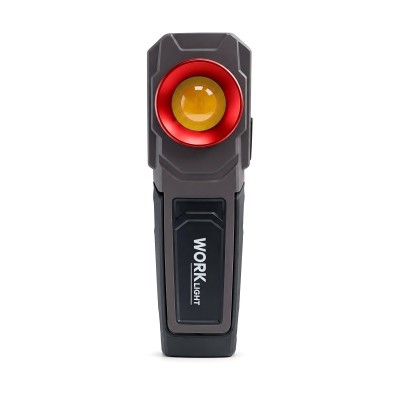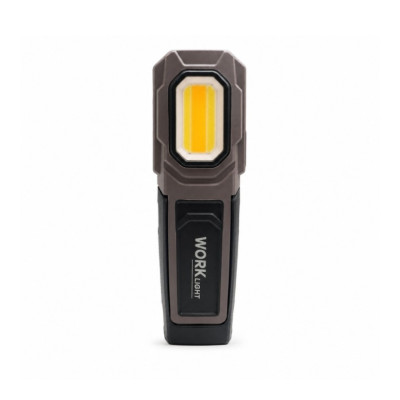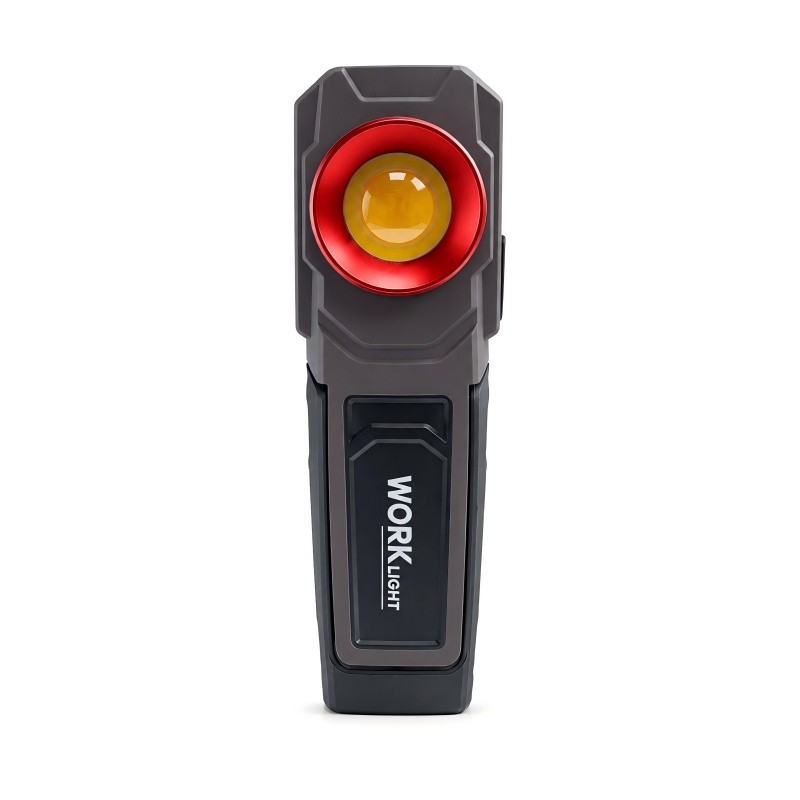
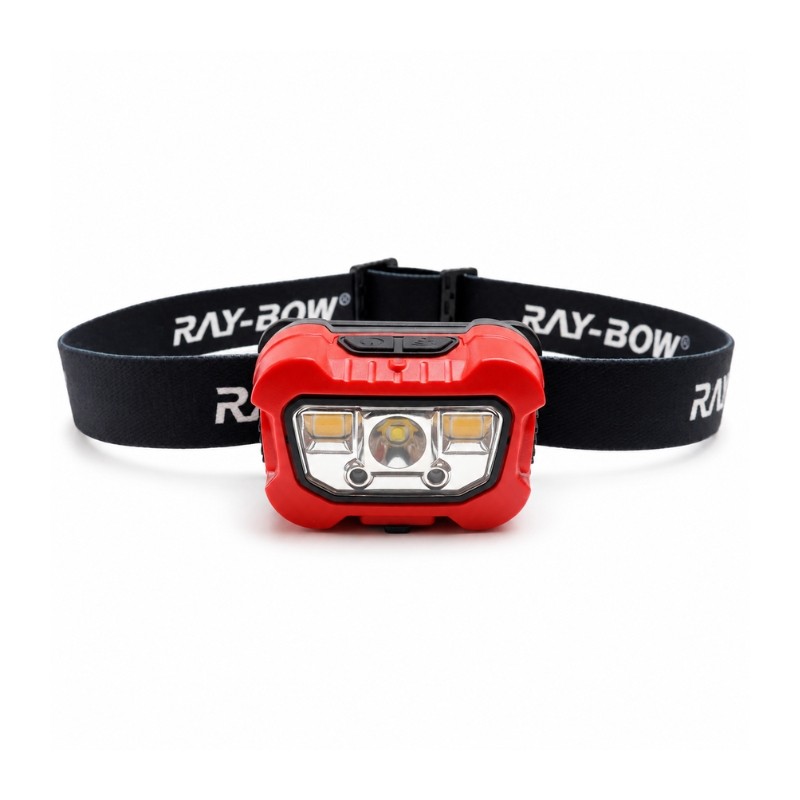
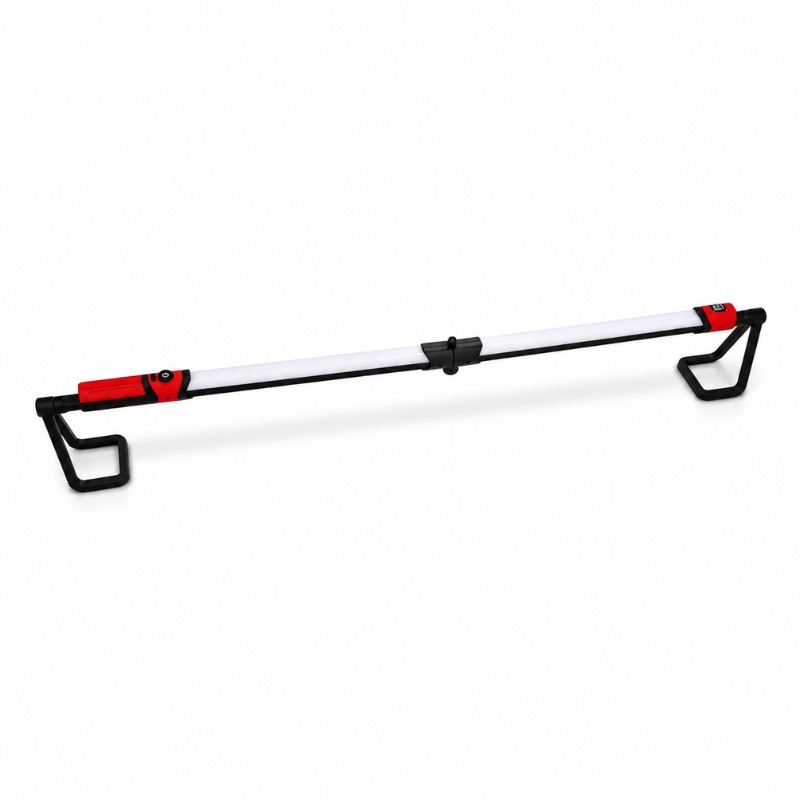
Top 8 LED Work Light Manufacturers in China for OEM and Private Label Brands (2026)
As we navigate the vast landscape of Chinese led work light manufacturers, we understand the challenge brands face when launching their private label work light series. The key insight is that choosing the perfect partner isn't about finding the lowest price. It’s about securing a relationship with a manufacturer who provides verifiable protection ratings, stable battery technology, and scalable OEM molds for future growth. China's mature industrial clusters offer a significant advantage, creating integrated ecosystems that bring together die-casting, driver electronics, battery cells, mounting brackets, packaging, and efficient global logistics. This guide will walk you through the essential steps to identify and partner with the best china led work light manufacturer for your brand's success in 2026.
Key Takeaways
- Manufacturer vs. Trading Company: True manufacturers offer direct access to R&D, superior quality control, and cost advantages, while trading companies act as middlemen with potential communication delays and higher costs. Direct engagement with an oem work light factory ensures greater control over your product.
- Essential Due Diligence: A thorough checklist is non-negotiable. Verify crucial certifications like UL, ETL, CE, and RoHS. Scrutinize the manufacturer's Minimum Order Quantity (MOQ) to ensure it aligns with your business scale and warehousing capacity. Additionally, confirm realistic production lead times to manage your inventory and market entry strategy effectively.
- OEM vs. Private Label: Understand the difference to choose the right path for your brand. An OEM (Original Equipment Manufacturer) partnership is ideal for creating a completely unique product based on your designs, giving you exclusive intellectual property. A private label program offers a faster route to market by branding existing, proven products from the manufacturer's catalog.
- Customization is Key: Top manufacturers provide extensive customization options that allow your brand to stand out. This includes choices in housing materials (like ADC12 aluminum), advanced mounting solutions (magnetic, clamp, tripod), and specific beam angles (spot, flood, or hybrid) to meet the demands of different end-users. Detailed work light product configurations are a hallmark of a capable partner.
- Quality Benchmarking: Never commit to a bulk order without rigorous vetting. This process should include ordering and testing a range of samples to evaluate performance, durability, and a manufacturer's claims on battery runtime and IP ratings. True partners are transparent about their work light reliability testing procedures.
What Separates Top LED Work Light Manufacturers from Trading Companies?
Navigating the sourcing landscape in China requires a clear understanding of who you are partnering with. The distinction between a genuine led work light manufacturer and a trading company is the most critical factor influencing your product's quality, cost, and time-to-market.
A true manufacturer owns and operates its production facilities. This vertical integration provides several core advantages:
- Direct R&D and Engineering Access: When you work directly with a factory, you have a direct line of communication with the engineers and designers developing the product. This is invaluable for custom led work light projects where technical specifications and design modifications are frequent.
- Comprehensive Quality Control: Manufacturers control every step of the production process, from sourcing raw materials to final assembly and testing. This allows for rigorous quality assurance protocols to be implemented and monitored, reducing the risk of defects.
- Cost Efficiency: By eliminating the middleman, you avoid the commission that trading companies add. Sourcing directly from the factory floor ensures you receive the most competitive pricing, allowing for better profit margins or a more competitive retail price.
- Transparency and Accountability: A factory is fully accountable for production timelines, quality standards, and resolving any issues that may arise. Visiting a factory for an audit provides a clear picture of their capabilities, a level of transparency a trading company cannot offer.
Trading companies, on the other hand, are intermediaries. While they can offer convenience by providing a wide catalog of products from various factories, this often comes with significant downsides:
- Limited Technical Input: Traders are not engineers. Communicating complex technical requirements can lead to misunderstandings and errors, as the information is passed through multiple channels.
- Inconsistent Quality: Since a trading company may source from different factories to fulfill an order, quality can vary significantly from one batch to the next.
- Higher Costs and Longer Lead Times: The trader's markup increases your cost. Furthermore, communication delays between you, the trader, and the factory can extend lead times.
Ultimately, partnering with a genuine manufacturer provides the control, quality assurance, and cost structure necessary for building a successful and reputable private label or OEM work light brand.
China LED Work Light Manufacturer Checklist: Certifications, MOQ, and Lead Time
Before engaging with a potential work light supplier china, having a structured evaluation process is crucial. This checklist will help you vet manufacturers and ensure they meet your brand’s standards for quality, compliance, and logistical feasibility.
| Checklist Item | Description | Why It Matters |
|---|---|---|
| Core Certifications | Verify certifications relevant to your target market, such as UL/ETL (for North America), CE (for Europe), and RoHS (restricts hazardous substances). | Compliance is non-negotiable. Products without the correct certifications can be seized by customs, and your business could face legal penalties and recalls. Reputable manufacturers will readily provide certification documents for verification. |
| Quality Management System | Ask for proof of a quality management system, such as ISO 9001. | An ISO 9001 certification indicates that the manufacturer has established and follows standardized processes for quality control, production, and continuous improvement, reducing the likelihood of defects. |
| Minimum Order Quantity (MOQ) | Clarify the MOQ for both standard and custom products. This can range from 100 to 1,000+ units. | The MOQ must align with your sales forecasts and warehousing capacity. A high MOQ can tie up excessive capital in inventory, while a low MOQ might come at a higher per-unit cost. |
| Production Lead Time | Inquire about the standard lead time from order confirmation to shipment. This is typically 30–60 days. | Understanding the lead time is essential for inventory management and planning your product launch. Be sure to ask how custom designs or large orders might affect this timeline. |
| Sample Availability & Cost | Confirm that the manufacturer can provide pre-production samples for evaluation and confirm the associated costs. | Never place a bulk order without testing a sample first. This is your opportunity to assess the build quality, performance, and overall feel of the product. |
| Engineering & R&D Capability | For OEM projects, evaluate their engineering team's experience and their R&D facilities. Ask about their process for custom led work light development. | A strong R&D department is a sign of a forward-thinking manufacturer that can help you innovate and create a market-leading product, rather than just copying existing designs. |
| Factory Audit Reports | Request to see recent third-party factory audit reports (e.g., from BSCI or Sedex) or arrange for your own. | Audits provide an unbiased look at the manufacturer's working conditions, ethical standards, and production capabilities, offering a deeper level of trust and transparency. |
Top 8 LED Work Light Manufacturers in China for 2026
Identifying the right manufacturing partner is a strategic decision. Below are eight leading led work light manufacturers in China, each renowned for specific strengths in the OEM and private label market.
OWLAMP As a specialist in custom led work light solutions, OWLAMP is known for its robust R&D capabilities and focus on high-performance, durable lighting for professional use. They excel in partnering with brands on unique designs from concept to mass production, showcasing strong oem work light factory capabilities. Their expertise in thermal management and optical design makes them a top choice for brands targeting demanding industrial and automotive sectors.
Shenzhen Good Lighting Good Lighting has a strong reputation for portable and rechargeable LED work lights. They focus heavily on battery technology and integrated power solutions, making them an ideal partner for brands that want to offer products with long runtimes and convenient features like power bank functionality.
Ningbo Lander Located in a major lighting industry hub, Lander is a versatile manufacturer with a wide range of existing molds for private label programs. They are known for their rapid production and ability to handle large-volume orders, making them a suitable partner for big-box retailers and large distributors looking for a quick-to-market solution.
Tatalux Tatalux specializes in high-power LED lighting, including large-area site lights and tower lights. Their engineering focus is on maximizing lumen output and ensuring product stability under harsh conditions. They are a go-to manufacturer for brands serving construction, mining, and emergency services.
Sanmak With a strong foothold in the off-road and automotive lighting sector, Sanmak has translated its expertise in vibration resistance and durability into the work light category. They are an excellent choice for brands targeting automotive repair, agriculture, and heavy machinery applications where ruggedness is paramount.
Zhejiang Winki Optics Winki Optics, as their name suggests, places a heavy emphasis on advanced optical technology. They are leaders in developing custom lenses and reflectors to achieve precise beam patterns, from a long-throwing spot to a wide, even flood. Brands focused on offering superior light quality and performance should consider Winki.
Foshan Awelstar Awelstar is a work light supplier china with a strong focus on cost-effective manufacturing and lean production. They offer a range of reliable, budget-friendly work lights that are ideal for private label brands targeting the prosumer or DIY markets. Their streamlined processes allow for competitive pricing without sacrificing core quality.
E-nnova E-nnova is an innovator in smart and connected work lights. They integrate features like Bluetooth control, color temperature adjustment, and app-based functionality into their products. For brands looking to differentiate with technology and target a tech-savvy user base, E-nnova is a leading OEM partner.
OEM Work Light Factory vs Private Label Work Light Program: Which Fits Your Brand?
Choosing between an OEM and a private label model is a foundational decision for your brand's strategy. Each path offers distinct advantages and is suited to different business goals, timelines, and budgets.
An OEM (Original Equipment Manufacturer) partnership is a collaborative process where the factory manufactures a product based on your unique design and specifications.
- Best For: Brands that want to create a completely proprietary product with unique features, aesthetics, and intellectual property.
- Process: This is a deeply involved process that includes R&D, prototyping, tooling (creating molds), and extensive testing. You own the design.
- Advantages:
- Market Exclusivity: Your product is one-of-a-kind, protecting you from direct competition.
- Brand Alignment: You have complete control to ensure the product perfectly reflects your brand's identity and quality standards.
- Higher Margin Potential: Unique products can often command a premium price.
- Considerations:
- Higher Upfront Investment: Tooling and R&D costs can be substantial.
- Longer Time-to-Market: The development process can take 6-12 months or more.
- Requires Technical Expertise: Your team needs a clear understanding of the product requirements.
A Private Label program involves selecting an existing product from a manufacturer's catalog and applying your own brand name and packaging to it.
- Best For: Brands looking for a fast and cost-effective way to enter the market, or to expand their product line with proven designs.
- Process: You select a product, define the branding (logo, color, packaging), and place an order. Minimal R&D is required.
- Advantages:
- Speed to Market: You can launch a new product in as little as 1-2 months.
- Low Upfront Cost: No tooling or development costs are involved.
- Proven Designs: The products have already been developed and often field-tested, reducing risk.
- Considerations:
- No Exclusivity: Other brands can (and likely will) sell the exact same product under a different name.
- Limited Differentiation: Your brand is differentiated primarily by marketing and customer service, not the product itself.
- Price Competition: Competing with other private label sellers of the same item can lead to price wars.
| Factor | OEM (Original Equipment Manufacturer) | Private Label |
|---|---|---|
| Product Design | Your unique, proprietary design | Manufacturer's existing design |
| Upfront Investment | High (tooling, R&D) | Low (product cost only) |
| Time to Market | Long (6-12+ months) | Fast (1-3 months) |
| Differentiation | High (unique product) | Low (brand and packaging only) |
| Best For | Establishing a unique brand identity | Fast market entry, expanding a line |
Ultimately, a hybrid approach can also be effective. You might start with a private label program to establish a market presence and generate revenue, then reinvest those profits into a full OEM project to create a flagship product line.
Custom LED Work Light Options: Housings, Mounts, and Beam Angles
The ability to customize a work light is what elevates a generic product into a specialized tool that solves a specific user's problem. A top-tier oem work light factory offers a wide array of options beyond simply adding a logo. These customizations directly impact the product's performance, durability, and usability.
Key areas for customization include:
Housings: The housing is the work light's backbone, providing protection and heat dissipation.
- Material: ADC12 aluminum alloy is a popular choice for its excellent balance of thermal conductivity, durability, and corrosion resistance. For extreme environments, higher-grade aluminum or specialized polymers may be used.
- Finish: Powder coating is standard for impact and scratch resistance. Custom colors can be specified to match your brand identity.
- Design: For OEM projects, the housing shape can be fully customized for aesthetics, ergonomics, or to accommodate specific internal components.
Mounts: The mounting solution determines where and how the light can be used.
- Magnetic Bases: Powerful N52 neodymium magnets allow the light to be attached to any ferrous surface, freeing up the user's hands. The best designs incorporate a protective rubber boot to prevent scratching.
- Tripod Mounts: A standard 1/4" or 3/8" threaded insert makes the light compatible with industrial tripods for elevated, stable lighting.
- Clamps and Hooks: Integrated clamps allow attachment to scaffolding, beams, or vehicle hoods, while stowable hooks provide further versatility.
Beam Angles: The optics shape the light to fit the task.
- Spot Beam (10°-30°): A narrow, intense beam designed to illuminate objects at a distance. Ideal for inspection or search and rescue.
- Flood Beam (60°-120°): A wide, even spread of light designed to illuminate a large work area. Perfect for general site lighting, painting, or repair work.
- Hybrid/Combination Beam: Many modern work lights feature multiple LEDs with different optics, providing both a spot and flood pattern in a single unit.

Industrial Portable Work Lights: Runtime and IP Ratings Buyers Should Verify
For professionals in MRO (Maintenance, Repair, and Operations), construction, and field services, a work light is an essential tool. When sourcing industrial portable work lights, two of the most critical and often exaggerated specifications are runtime and IP rating.
Runtime: Manufacturers' runtime claims should be approached with healthy skepticism. A claim of "10 hours" might refer to the light operating at its lowest possible brightness setting. A professional-grade work light's performance should be judged by its runtime at a usable brightness level (e.g., 50% or 100% output).
To verify runtime:
- Request tiered data: Ask the manufacturer for runtime data at 100%, 50%, and 25% brightness.
- Understand battery capacity: The battery's capacity in milliamp-hours (mAh) or watt-hours (Wh) is a good indicator of potential runtime. Ensure the manufacturer is using high-quality, stable Li-ion cells from reputable makers.
- Test samples: The only true verification is to test the samples yourself. Charge the light fully, turn it on to its maximum setting, and time how long it lasts until it shuts off or becomes too dim to be useful. This is especially important for industrial portable work lights for MRO teams, where reliability is paramount.
IP Ratings: The Ingress Protection (IP) rating is a universal standard that defines how well a device is sealed against intrusion from solids (like dust) and liquids (like water).
- First Digit (Solids): Ranges from 0 (no protection) to 6 (completely dust-tight). For an industrial environment, a rating of 6 is essential to protect internal components from damaging dust and debris.
- Second Digit (Liquids): Ranges from 0 (no protection) to 9 (protection against high-pressure, high-temperature jets).
- IP65: Protected against low-pressure water jets from any direction. Sufficient for use in rain.
- IP67: Protected against temporary immersion in water up to 1 meter for 30 minutes. This is a common and robust standard for portable work lights that might be dropped in puddles or exposed to heavy downpours.
- IP68: Protected against continuous immersion in water under conditions specified by the manufacturer. This is often overkill for work lights unless they are intended for marine or diving applications.
Diligent verification of these two specs separates a reliable professional tool from a low-quality consumer gadget.
Work Light Supplier China: How to Benchmark Quality Before Bulk Orders
Trust but verify. This age-old adage is the cornerstone of successful international sourcing. Before you commit significant capital to a bulk order, you must implement a rigorous quality benchmarking process. This ensures that the product you receive matches the product you approved.
Here's a step-by-step guide to benchmarking quality from a work light supplier china:
- Request a Range of Samples: Don't just ask for one "golden sample." Request 3-5 units of the same model. This allows you to check for consistency in build quality, color, and performance across a small batch.
- Define a Testing Protocol: Create a standardized checklist for evaluating the samples. This protocol should be shared with the manufacturer so they understand your quality standards. Your testing should cover:
- Performance: Verify lumen output with a light meter, confirm beam angle, and test the runtime as described previously.
- Durability: Conduct reasonable drop tests (e.g., from 1.5 meters) onto concrete to check for housing integrity and lens durability.
- Functionality: Test all switches, modes, charging ports, and mounting mechanisms repeatedly to check for failure points.
- Third-Party Lab Testing: For critical specifications like battery safety (UN38.3) or precise IP rating verification, consider sending a sample to a third-party testing laboratory. The cost is a small price to pay for certainty.
- The "Teardown": Disassemble one of the sample units. This is a crucial step that reveals the true quality of the product. Look at:
- Internal Wiring: Are the solder joints clean? Are the wires properly gauged and secured?
- Seals and Gaskets: Are the rubber gaskets that provide water resistance properly seated and made of quality material?
- Component Brands: Does the LED driver, battery cell, and LED chip match the brands and specifications promised by the manufacturer? This is a key part of the work light reliability testing process.
- Establish a Quality Standard Agreement: Once you are satisfied with a sample, document all its specifications, components, and performance metrics in a formal Quality Standard Agreement. This document, signed by both you and the manufacturer, becomes the "master" against which all future production runs are judged.
This diligent, hands-on approach to benchmarking is the most effective way to protect your investment and your brand's reputation.
Build Your Next Work Light Line with OWLAMP
When your brand is ready to move beyond generic solutions and create a truly exceptional line of work lights, partnering with a specialist like OWLAMP is a strategic move. As a dedicated oem work light factory, OWLAMP is built around a culture of engineering excellence and collaborative product development.
Their process is designed for brands that demand performance, durability, and a unique identity in the marketplace. By focusing exclusively on high-performance lighting, they have cultivated deep expertise in critical areas:
- Advanced Thermal Management: They utilize sophisticated simulation software and materials like ADC12 aluminum to design housings that effectively dissipate heat, ensuring the LEDs operate at peak efficiency and achieve their maximum lifespan.
- Precision Optical Design: OWLAMP’s engineers work with clients to develop custom optics that deliver the exact beam pattern required for a specific application, whether it's a far-reaching inspection beam or a perfectly uniform floodlight for painting.
- Robust & Verified Performance: Their in-house reliability labs conduct rigorous testing for vibration, impact, water ingress (IP), and extreme temperatures. This commitment to verification means you can be confident that the product will perform in the toughest real-world conditions.
Engaging with OWLAMP means leveraging their extensive oem work light factory capabilities to turn your product vision into a market-ready reality. Their structured development process guides you from initial concept sketches, through detailed engineering and prototyping, to full-scale manufacturing, ensuring a seamless journey from idea to launch.
The Final Step: Fostering a True Partnership
Ultimately, the most successful sourcing stories come from those who view their manufacturer not as a simple supplier, but as a strategic partner. Diligent verification and thorough due diligence are paramount. Bypassing these crucial steps in favor of a slightly lower price is often the most expensive mistake a brand can make in B2B lighting procurement.
Choosing the right led work light manufacturer is a decision that impacts everything from product quality to your brand's reputation. It's about fostering a relationship built on trust, transparency, and a shared commitment to excellence. This partnership is the true foundation for long-term market success. Take the time to find a partner who understands your vision, invest in the relationship, and build something great together. We encourage you to share this guide with your procurement team and start the conversation about what you truly need in a manufacturing partner.
Frequently Asked Questions (FAQ)
Q1: What is the typical cost difference when buying from a manufacturer versus a trading company? The cost difference can be significant, typically ranging from 15% to 30% or more. Trading companies add a markup to the factory price to cover their operational costs and profit. For a large order, this percentage translates to a substantial amount of money that could be reinvested into marketing or product development.
Q2: Can I get a work light in my brand's specific color? Yes, absolutely. Custom coloring is one of the most common and effective ways to align a product with your brand identity. Manufacturers typically use a powder coating process and can match almost any Pantone color you specify. This is usually subject to a minimum order quantity to justify setting up the production line for a custom color.
Q3: What are the most important safety certifications for the U.S. market? For the United States, the most critical certifications are UL (Underwriters Laboratories) or ETL (Intertek). Both are Nationally Recognized Testing Laboratories (NRTLs) that certify products to the same safety standards. For any work light that plugs into a wall outlet or has a separate AC charger, UL or ETL certification is essential for market access and liability protection. For battery-powered products, certifications like UN38.3 (for battery transport safety) are also vital.
Q4: How long should a good quality industrial LED work light last? A high-quality industrial LED work light should be viewed in terms of both LED lifespan and battery/component durability. The LEDs themselves often have a rated lifespan of 30,000 to 50,000 hours (L70 standard). However, the practical lifespan of the product is often determined by the durability of its housing, switch, and the battery's cycle life. A quality Li-ion battery should provide at least 500 charge cycles while retaining ~80% of its original capacity. The product itself, if well-built, should last for many years of professional use.
Q5: Why is China considered the global hub for manufacturing LED work lights? China's dominance in this sector is due to its unparalleled industrial ecosystem. Decades of investment have created massive, highly specialized industrial clusters, particularly in regions like Ningbo and Shenzhen. Within a small geographic area, you can find factories for die-casting aluminum housings, producing LED drivers, assembling battery packs, molding plastic components, and printing packaging. This concentration of the entire supply chain creates massive efficiencies, reduces costs, and speeds up innovation, making it the most competitive location globally for manufacturing lights at scale.