
Top 8 EDC Flashlight Manufacturers and Suppliers for Outdoor and Everyday Carry Brands (2026)
For outdoor and everyday carry brands, selecting the right EDC flashlight is a critical decision that balances size, brightness, durability, and multifunctionality. The market is filled with options, but understanding how top-tier edc flashlight manufacturers design and build their products is key to choosing a partner that can elevate your brand. Experienced manufacturers utilize standardized driver and battery platforms to accelerate the development of custom edc flashlight models, often compressing project timelines to as little as four to six weeks. This expertise allows brands to bring innovative, reliable, and high-performing flashlights to market efficiently.
This guide explores the essential manufacturing considerations that separate leading suppliers, offering a detailed look into the components, configurations, and quality standards that define a superior EDC flashlight. By understanding these core principles, your brand can make more informed decisions and partner with manufacturers capable of delivering products that meet the exacting demands of today's consumers.
Key Takeaways
- Modular Design Accelerates Innovation: Top EDC flashlight manufacturers build their products on standardized core modules, including LEDs, drivers, batteries, and optics. This modular approach, often referred to as a "light engine," allows for rapid customization and development, enabling brands to quickly adapt to market trends. By using proven platforms for power management and thermal dissipation, manufacturers can focus on brand-specific features like body design, user interface (UI), and material choices. This strategy is employed by leading brands like Fenix, Olight, and Nitecore to maintain a competitive edge.
- Performance is a Three-Way Balance: A flashlight's true performance isn't just about the maximum lumen count. It's a delicate balance between light output (lumens), heat management, and runtime. Aggressive "turbo" modes generate immense heat that must be managed by the flashlight's driver and body through thermal throttling, which automatically reduces output to prevent damage to the LED. The choice of LED (e.g., high-CRI Nichia vs. high-output Cree) and battery type (e.g., high-capacity 21700 vs. compact 14500) further dictates this balance, allowing manufacturers to tailor a flashlight for specific use cases, whether it's for true color rendering or maximum beam distance.
- User-Centric Features Define EDC: Beyond raw power, the best edc flashlights for everyday carry are defined by their usability. Features like a deep-carry, reversible pocket clip, intuitive mode memory that recalls the last-used setting, and ergonomic body materials (e.g., lightweight aluminum, rugged titanium, or patinating brass) are critical for retail success. These details determine how a flashlight feels in the hand and pocket, making it a reliable daily companion rather than just a powerful tool.
- Rigorous Testing Ensures Reliability: Reputable manufacturers validate their product claims through standardized testing protocols, most notably the ANSI/PLATO FL1 standards. These voluntary but essential tests measure key metrics like light output, beam distance, impact resistance, and water resistance (IP ratings). Adherence to these standards provides a transparent and reliable way for brands and consumers to compare products, ensuring that a flashlight will perform as advertised in real-world conditions.
- OEM/ODM Programs Offer Market Access: Brands can enter the flashlight market efficiently through Original Equipment Manufacturer (OEM) or Original Design Manufacturer (ODM) programs. OEM allows a brand to apply its logo and packaging to a manufacturer's existing, proven design, offering a low-risk, cost-effective entry. ODM provides a deeper level of customization, where the manufacturer develops a unique product based on the brand's specifications, enabling significant market differentiation. Both pathways leverage the manufacturer's established supply chains and engineering expertise.
How EDC Flashlight Manufacturers Build for Everyday Carry Brands
The foundation of a successful EDC flashlight lies in a well-engineered architecture that is both robust and flexible. Leading manufacturers don't reinvent the wheel for every new product. Instead, they rely on a system of proven, interchangeable core components that can be mixed, matched, and modified to meet the specific demands of an outdoor or everyday carry brand. This modular approach is what enables the rapid development of custom designs without compromising quality.
At its core, a modern flashlight consists of several key parts: the outer casing or housing, a light source (almost universally an LED), a reflector or optic to shape the beam, a lens for protection, a driver circuit to control the power, a battery, and a switch to operate it. While these elements are common to all flashlights, it's how they are designed, sourced, and assembled that determines the final product's performance, durability, and appeal.
Core Modules and Brand Examples
Expert edc flashlight manufacturers build their product lines around standardized platforms. This typically involves a "light engine"—a pre-engineered combination of the LED, the Metal Core Printed Circuit Board (MCPCB) it's soldered to, and the driver. This integrated unit, paired with a specific battery type (like an 18650 or 21700), forms the heart of the flashlight.
This modularity provides several key advantages:
- Speed to Market: With the core electronics already developed and tested, customization can focus on external elements like the body material (aluminum, titanium, copper), anodizing color, knurling pattern, and branding. This dramatically shortens the development cycle.
- Proven Reliability: Using a standardized driver ensures consistent performance, stable output, and reliable safety features (like overheating and over-discharge protection) across different models.
- Scalability: A single light engine can be used in various flashlight bodies, allowing a brand to create a full edc flashlight product range, from a compact pocket light to a larger duty model, all built on the same trusted technology.
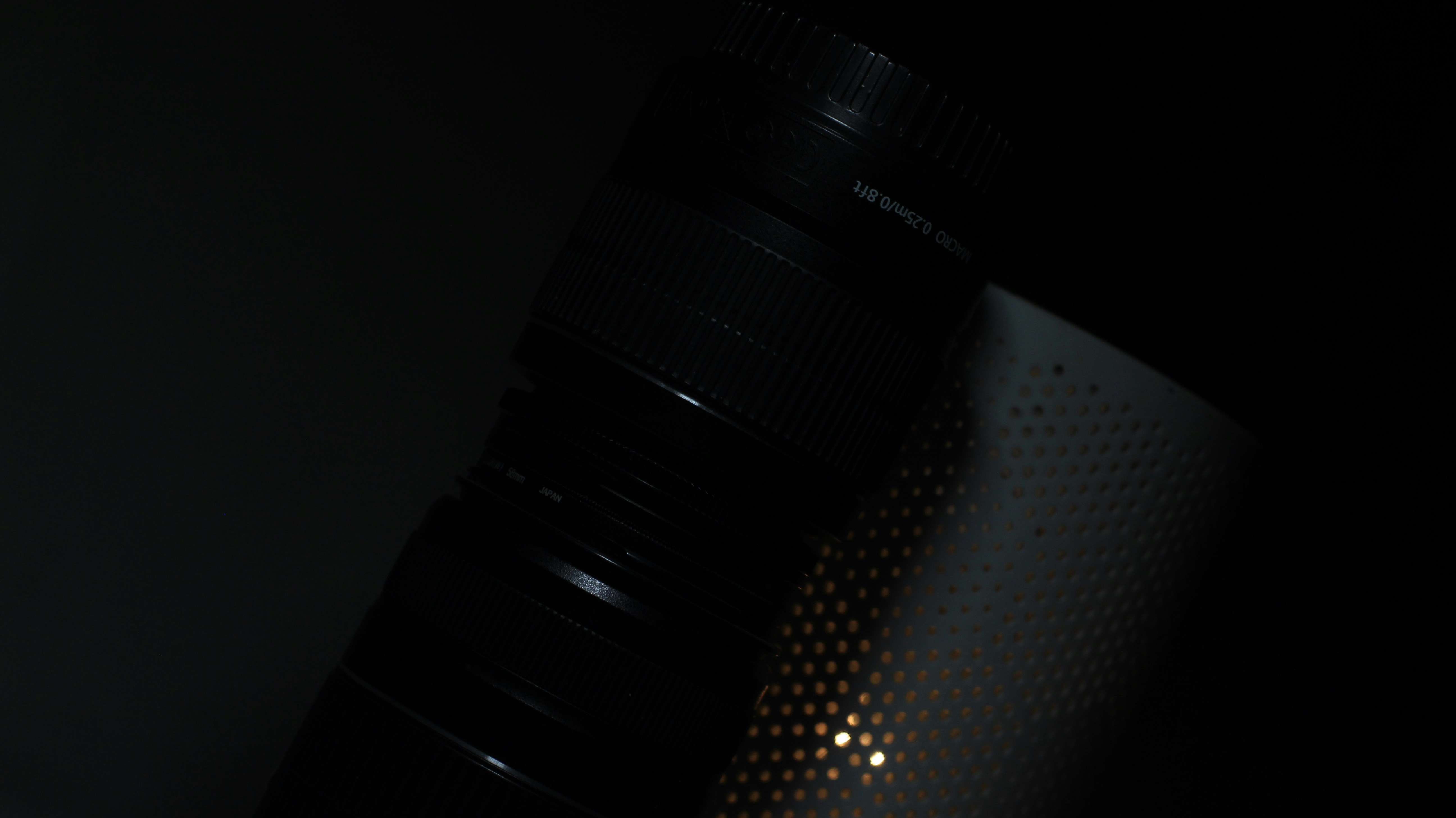
Many of the top consumer brands leverage this strategy. For example, brands like Fenix, Nitecore, and Olight often release multiple flashlights that share similar user interfaces or charging systems, because they are built upon the same underlying driver technology. They differentiate their products through form factor, reflector design, and specialized features. An enthusiast-focused brand like Emisar takes this a step further by offering extensive customization options for the LED and driver firmware (like the popular Andúril UI) on the same host body, demonstrating the true power of a modular platform. This approach allows brands to cater to diverse customer needs—from those who prioritize simplicity to those who demand maximum control and functionality.
Custom EDC Flashlight Configurations: LED, Driver, and Battery
Creating a standout custom edc flashlight requires a deep understanding of how its three most critical components—the LED, the driver, and the battery—interact. These elements form a performance triangle, and any decision made about one will directly impact the others. A manufacturer's expertise is best demonstrated by its ability to balance these components to achieve a brand's specific goals, whether that's maximum brightness, exceptional color accuracy, or marathon-like runtime.
The flashlight's "brain" is the driver, an electronic circuit board that regulates the flow of power from the battery to the LED. It does much more than simply turn the light on and off; it controls brightness levels, manages different modes (like low, medium, high, and strobe), and implements crucial safety features. Different types of drivers exist, each with distinct advantages:
- Linear and FET Drivers: These are simpler and cost-effective. FET (Field-Effect Transistor) drivers are known for enabling maximum raw power, connecting the battery almost directly to the LED for impressive "turbo" modes. However, their output tends to dim as the battery voltage drops.
- Buck/Boost Drivers: These are more advanced switching converters. A buck driver efficiently "steps down" a higher battery voltage to the lower voltage required by the LED, while a boost driver "steps up" a lower battery voltage. These drivers provide consistent, regulated brightness throughout most of the battery's discharge cycle, wasting less energy as heat and offering more stable performance.
The choice of LED is equally crucial. Major manufacturers like Cree, Luminus, and Nichia offer a vast portfolio of emitters, each designed for different purposes.
- Cree: Often the top choice for maximum lumen output, with their XHP (eXtreme High Power) series dominating the high-performance market. They are known for efficiency and great thermal characteristics.
- Luminus: Specializes in high-intensity LEDs like the SST series, which are excellent for creating a focused, long-throwing beam (high candela).
- Nichia: The preferred option for applications where color accuracy is paramount. Their high-CRI (Color Rendering Index) LEDs, such as the 519A, render colors almost as naturally as sunlight, making them ideal for photography, inspections, or medical use. The trade-off is typically a lower maximum lumen output compared to Cree.
Finally, the battery platform dictates the flashlight's size and energy capacity. Common choices include:
- 18650: The long-standing industry standard, offering a great balance of size and capacity (up to ~3500mAh).
- 21700: A larger format growing in popularity, providing significantly higher capacity (5000mAh or more) for longer runtimes and the ability to sustain high-output modes.
- 14500/AA: A compact option that allows for "dual-fuel" capability, where the light can run on either a rechargeable 14500 Li-ion cell for maximum performance or a common, easily found AA battery in a pinch.
- Proprietary/Built-in: Some manufacturers use custom-designed or built-in batteries to achieve unique, ultra-compact form factors.
Balancing Output, Heat, and Runtime
The three pillars of flashlight performance—output (lumens), heat, and runtime—are locked in a constant trade-off. Pushing an LED to its maximum lumen output generates an immense amount of heat. This is where a flashlight's thermal management system becomes critical.
Every quality custom edc led flashlight is, in essence, a heat-management device. The heat generated by the LED must be efficiently transferred away from the emitter to prevent damage and a phenomenon known as "luminous decay," where the LED becomes less efficient as it gets hotter. This is achieved through a continuous thermal path:
- The LED, mounted on a metal-core PCB (often copper for better conductivity), transfers heat to a "pill" or integrated shelf within the flashlight's head.
- This heat then dissipates into the aluminum or titanium body of the flashlight, which acts as a heat sink.
- Finally, the heat is radiated into the surrounding air and absorbed by the user's hand.
However, in a compact EDC light, the body's ability to dissipate heat is limited. This leads to "thermal step-down," a crucial safety feature programmed into the driver. An onboard temperature sensor monitors the system, and when it reaches a preset limit (e.g., 60°C), the driver automatically reduces the current to the LED, lowering the brightness to a sustainable level. Cheaper lights might use a simple timed step-down (e.g., dropping from Turbo after 60 seconds regardless of temperature), while higher-quality custom flashlight edc models use active thermal management that allows the light to stay brighter for longer in cooler conditions.
This relationship is clearly visible in runtime graphs, which plot lumen output over time. A light might advertise a 2,000-lumen turbo mode, but the graph will show it can only sustain this for a minute or two before stepping down to a more manageable level of, for instance, 500 lumens. This is not a defect but a necessary design choice. As a brand, understanding this is vital. It's more valuable to offer a flashlight with a robust, well-regulated medium mode of 300 lumens that can run for hours, than to solely market a "flaming hot" turbo mode that is only usable for a few moments. A higher setting always draws more power and reduces runtime. The most practical setting is often the lowest one that can accomplish the task comfortably.
| Feature | Impact on Performance | Common Trade-Offs |
|---|---|---|
| LED Type | Determines max lumens, beam profile, and color rendering (CRI). | High Lumens (Cool White) vs. High CRI (Neutral/Warm White). Throw (small, intense LED) vs. Flood (large or multiple LEDs). |
| Driver Circuit | Regulates power, provides stable output, manages heat, and defines UI. | Efficiency & Regulation (Buck/Boost) vs. Cost & Simplicity (Linear/FET). Complex UI vs. Simple Operation. |
| Battery Choice | Dictates physical size, runtime, and power delivery capability. | High Capacity (21700) vs. Compact Size (14500/16340). Rechargeable (Li-ion) vs. Ubiquity (AA/CR123A). |
| Thermal Path | Disperses heat from the LED to prevent damage and maintain efficiency. | Effective Heat Sinking (Copper/Thick Aluminum) vs. Lightweight & Compact Body. Sustained Output vs. Higher Peak Turbo. |
By working with knowledgeable edc flashlight manufacturers, brands can navigate these complex trade-offs to build custom edc flashlights that are perfectly tuned to their target audience's needs.
Custom EDC LED Flashlight vs Custom Flashlight EDC: Same Brief, Different Build
While the terms "Custom EDC LED Flashlight" and "Custom Flashlight EDC" might seem interchangeable, they can represent two different philosophical approaches to product design. The first emphasizes the technology—the specific LED, its output, and its efficiency. The second prioritizes the holistic user experience—the ergonomics, carry options, and interface that make a flashlight a seamless part of a person's everyday carry. A truly successful product, however, must master both. It needs cutting-edge tech inside a thoughtfully designed, user-centric package.
The retail success of an EDC flashlight often hinges on details that go far beyond the lumen count. These are the tactile, practical features that a customer notices every time they pick up, carry, and use the light. For brands looking to create a product that earns a permanent place in a customer's pocket, focusing on these elements is non-negotiable.
Custom EDC Flashlights for Retail: Size, Pocket Clip, and Mode Memory
When a customer evaluates an EDC flashlight in a retail environment, their decision is driven by feel and function. Three of the most critical elements are the physical design (size and material), the carry method (pocket clip), and the user interface (UI), particularly its mode memory.
1. Physical Design: Materials and Form Factor The material of a flashlight's body affects its weight, durability, heat dissipation, and aesthetic appeal.
- Aluminum: Type III hard-anodized aluminum is the industry standard for a reason. It is lightweight, offers excellent heat dissipation, is corrosion-resistant, and is cost-effective to machine. It provides the best performance-per-dollar for most applications.
- Titanium: A premium option known for its exceptional strength-to-weight ratio and superior corrosion resistance. Titanium is heavier and more expensive to machine than aluminum and dissipates heat more slowly. However, its "warmer" feel, refined look, and ability to develop a beautiful patina or be customized with unique anodized finishes make it a favorite among collectors and gear enthusiasts.
- Copper and Brass: These materials are chosen primarily for their aesthetic qualities. They are significantly heavier than aluminum and will develop a unique patina over time based on the user's handling and environment. Copper also has excellent thermal conductivity.
Beyond material, the form factor is key. A classic round body may be traditional, but innovative flat or rectangular designs can sit more comfortably in a pocket, preventing awkward bulges and keeping the light from rolling on flat surfaces.
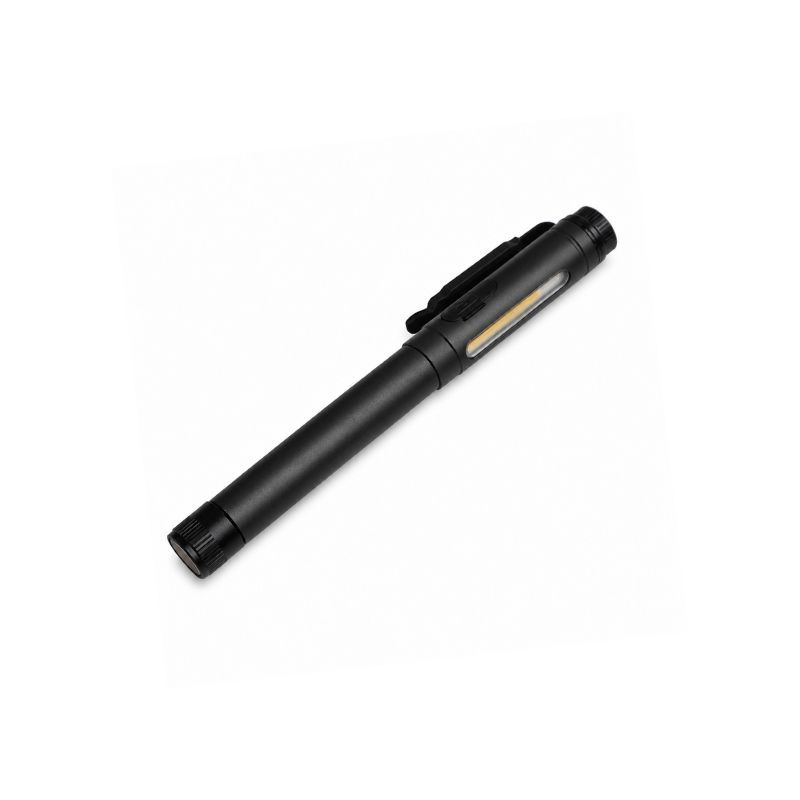
2. The Pocket Clip: More Than an Accessory The pocket clip is one of the most crucial yet overlooked features. A poorly designed clip can make a great flashlight frustrating to carry. Key considerations include:
- Deep Carry: A clip that allows the flashlight to sit low in the pocket, concealing most of its body for a discreet and secure carry.
- Two-Way Clip: A clip that bends back on itself, allowing the light to be carried bezel-up or bezel-down. This design also enables the user to clip the flashlight to the brim of a hat, instantly creating a hands-free headlamp.
- Tension and Shape: The clip must have enough tension to hold securely onto various fabrics (from denim jeans to thin jacket pockets) without being so tight that it's difficult to attach.
3. User Interface (UI) and Mode Memory A good UI should be intuitive and predictable. Users should not have to cycle through a blinding strobe mode just to get to a dim setting. Key features of a well-designed UI include:
- Mode Memory: The flashlight remembers the last-used brightness level and turns on in that mode. This is incredibly practical, as it allows the user to return to their preferred setting without having to cycle through all the modes every time.
- Direct Access to Shortcuts: Many modern UIs offer shortcuts, such as holding the switch from "off" to activate the lowest "moonlight" mode, or double-clicking for instant access to "turbo." This gives the user immediate access to the most-needed modes without guesswork. A simple UI might feature a tail switch for on/off and a side switch to cycle modes, providing clear, tactile control. Advanced firmware like Anduril offers a high degree of user customization but can be complex for beginners.

Ultimately, a custom flashlight edc destined for retail must be designed from the user's perspective. It should feel good in the hand, disappear in the pocket, and operate so intuitively that it becomes an extension of the user.
EDC Flashlights Testing: Drop, Water, and Runtime Standards
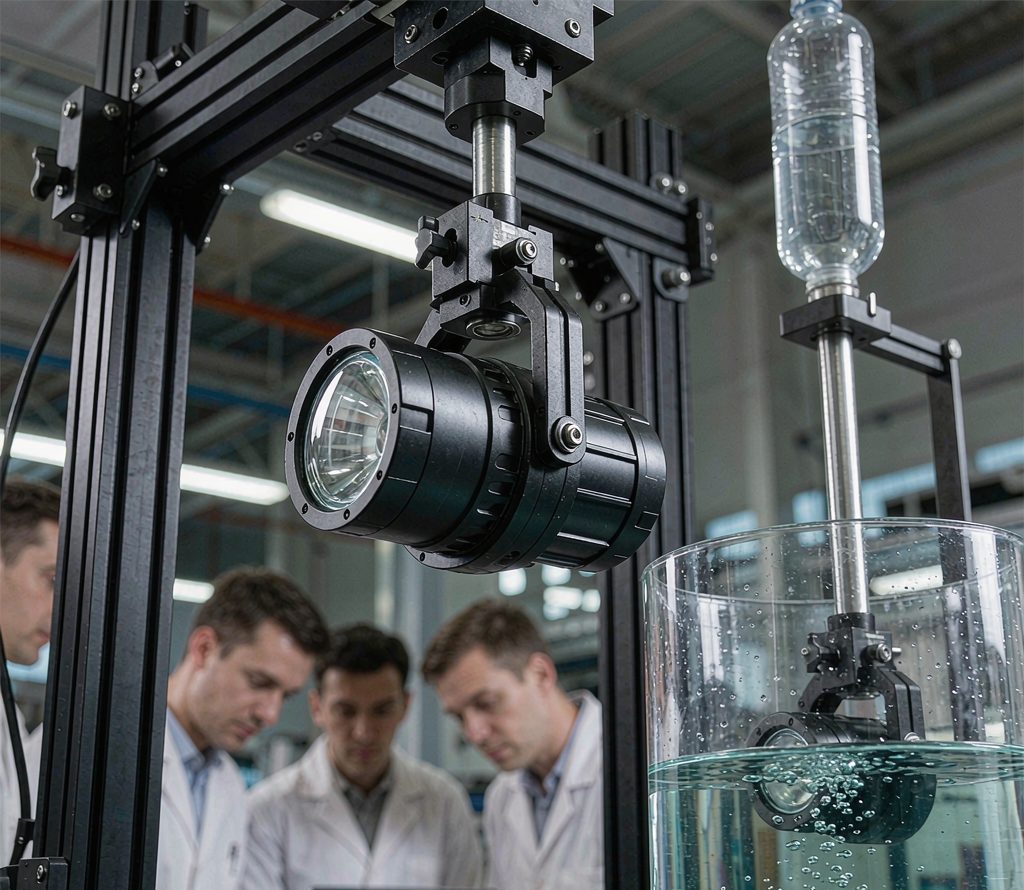
For an EDC flashlight to be considered reliable, its performance claims must be backed by verifiable, standardized testing. A brand's reputation depends on the trust that its products will perform as advertised, especially in critical situations. Reputable edc flashlight manufacturers adhere to a set of industry protocols, primarily the ANSI/PLATO FL-1 standard, to provide transparent and comparable data on durability and performance. This commitment to rigorous edc flashlight quality testing is a hallmark of a trustworthy manufacturing partner.
The ANSI/PLATO FL-1 Standard: A Universal Benchmark
The ANSI/PLATO FL-1 standard is a set of voluntary guidelines that defines how key flashlight performance metrics are measured and reported. When you see FL-1 icons on a product's packaging, it signifies that the manufacturer has tested the product according to these specific industrial protocols, allowing for a fair, apples-to-apples comparison between different models and brands. The core metrics include:
- Light Output (Lumens): This measures the total quantity of visible light emitted by the flashlight. Under the standard, this measurement is taken between 30 and 120 seconds after the light is first turned on.
- Runtime: This is the duration of time, from 30 seconds after activation, until the light's output drops to just 10% of its initial value. This definition is crucial to understand; a light rated for 5 hours of runtime will not maintain its peak brightness for all 5 hours.
- Peak Beam Intensity (Candela): This measures the luminous intensity at the very brightest point in the beam. A high candela value translates to a more focused, "throwy" beam that excels at illuminating distant objects.
- Beam Distance (Meters): Calculated from the candela measurement, this is the distance at which the flashlight's beam is as bright as a full moon on a clear night (0.25 lux). This represents the distance at which you can effectively detect an object.
- Impact Resistance (Meters): The flashlight is drop-tested, typically onto concrete, from a specified height (e.g., 1, 1.5, or 2 meters) a total of six times to ensure it remains fully functional. The light must not have any cracks or breaks to pass.
- Water Resistance (IP Rating): This measures the flashlight's ability to resist ingress from water and, in some cases, dust.
Understanding Water Resistance: The IP Rating System
The Ingress Protection (IP) rating is one of the most important specifications for any outdoor or everyday carry tool. The code consists of two digits (e.g., IP68). The first digit rates dust protection (from 0-6), and the second rates water protection (from 0-8). An 'X' (as in IPX7) means the device has not been rated for dust protection.
Here is a breakdown of the most common water resistance ratings for EDC flashlights:
| IP Rating | Protection Level | Real-World Application |
|---|---|---|
| IPX4 | Splash Resistant | Can withstand splashes of water from any direction. Sufficient for use in light rain. |
| IPX6 | Powerful Water Jets | Can resist heavy rain, powerful sprays, and jets of water. A solid choice for heavy outdoor use. |
| IPX7 | Temporary Immersion | Can be submerged in up to 1 meter of water for 30 minutes without damage. Protects against accidental drops into puddles, streams, or sinks. |
| IP67 | Dust-Tight & Temporary Immersion | Fully protected against dust ingress and can be submerged in up to 1 meter of water for 30 minutes. |
| IPX8 | Continuous Immersion | Can be submerged continuously under conditions specified by the manufacturer (e.g., up to 2 meters for 4 hours). Provides robust protection for activities around water. |
| IP68 | Dust-Tight & Continuous Immersion | The highest level of protection for most EDC gear. It's completely dust-tight and can handle prolonged submersion in water. |
A manufacturer that invests in obtaining and certifying these ratings demonstrates a commitment to building a durable, reliable product that users can depend on in any weather. This adherence to transparent standards is a critical factor for brands when selecting a manufacturing partner for their next line of edc flashlights.

OEM EDC Flashlight Programs for Private Label Brands
For brands that want to enter the flashlight market or expand their existing product line, partnering with a manufacturer for an Original Equipment Manufacturer (OEM) or Original Design Manufacturer (ODM) program is an extremely effective strategy. These programs allow brands to leverage the deep engineering expertise, established supply chains, and production capacity of specialized oem edc flashlight factories, significantly reducing the risk and investment required to launch a new product.
The primary distinction between the two models lies in the level of customization and ownership:
- OEM (Original Equipment Manufacturer): In a typical OEM arrangement, the brand selects a pre-existing, market-tested flashlight model from the manufacturer's catalog. Customization is generally limited to branding elements like applying a logo via laser engraving, choosing a specific housing color, and designing custom retail packaging. This is often called "private labeling."
- ODM (Original Design Manufacturer): An ODM project involves a much deeper level of collaboration. The brand provides a concept or a detailed set of specifications, and the manufacturer's engineering team designs and develops a completely new and exclusive product from the ground up. This gives the brand full ownership of a unique design.
Choosing between OEM and ODM depends on a brand's strategic goals, budget, and desired speed to market. Both approaches offer a path to building brand equity without the immense capital expenditure of building and operating a factory.
Cost Efficiency and Market Differentiation
The most significant advantage of an oem edc flashlight development program is cost efficiency. Building a new flashlight from scratch involves substantial upfront costs for research and development, engineering, and tooling for molds and fixtures, which can range from thousands to tens of thousands of dollars.
The OEM Approach: Speed and Low Risk By choosing an OEM model, brands bypass these development costs entirely. The manufacturer has already absorbed the R&D and tooling expenses for their existing product platforms. This allows for:
- Lower Minimum Order Quantities (MOQs): Since the product is already in production, factories can offer much lower MOQs for private label orders, often starting at 1,000-2,000 units.
- Faster Time to Market: With the design and engineering already complete, the timeline is drastically shortened. Lead times for OEM projects can be as little as 4-8 weeks from design approval to shipment.
- Proven Performance: Brands are building on a product that has already been tested, certified, and vetted by the market, reducing the risk of functional issues.
The ODM Approach: Maximum Differentiation While OEM is cost-effective, it offers limited differentiation since other brands can private label the same base model. In a competitive market, standing out is crucial. An ODM partnership, while requiring a higher initial investment for tooling and development, allows a brand to create a truly unique product. This enables brands to:
- Establish a Unique Brand Identity: By controlling the industrial design, features, and user interface, a brand can create a flashlight that perfectly aligns with its market position and customer expectations.
- Command Higher Margins: A unique, proprietary product is not subject to the same direct price competition as a generic OEM model, allowing the brand to achieve higher profit margins.
- Gain a Competitive Moat: Owning the design provides a significant competitive advantage and builds long-term brand value.
Ultimately, both OEM and ODM programs provide powerful avenues for market entry. A common strategy for new entrants is to start with an OEM model to test the market quickly and with minimal risk. As the brand grows and better understands its customers, it can then invest in an ODM project to develop a flagship product that sets it apart from the competition.
Order Custom EDC Flashlights from OWLAMP
For brands committed to offering superior, reliable, and purpose-built lighting solutions, partnering with OWLAMP provides a direct path from concept to market. With over 28 years of specialized focus on professional and industrial lighting, we have honed our expertise in developing rugged, high-performance illumination tools. Our flexible OEM and ODM programs are designed to support your brand's vision, whether you need to private-label a proven design from our extensive edc flashlight product range or create a completely new product from the ground up.
Our process is collaborative and transparent. We begin with a deep dive into your requirements, analyzing the intended application, target user, market positioning, and technical specifications. From there, our in-house R&D team—with expertise in optical, thermal, and battery engineering—translates your vision into a functional design. Prototypes are developed for evaluation, followed by rigorous reliability testing before tooling is finalized for mass production. This structured approach ensures that the final product not only meets but exceeds your expectations.
Customization Options and Certification Support
At OWLAMP, we offer a comprehensive suite of customization options to ensure your product is perfectly aligned with your brand identity and market needs. Our OEM/ODM services go beyond simple logo application to encompass every aspect of the flashlight's design and function.
Deep Customization Capabilities:
- Aesthetics and Branding: We offer precision laser engraving for logos, custom anodized colors for aluminum bodies, and unique metal finishes like stonewashed or matte sandblasted.
- Performance Tuning: Select the perfect LED for your needs, from high-lumen Cree emitters to high-CRI (95+) Nichia LEDs for true-to-life color rendering. We can also customize the beam angle, color temperature, and user interface modes.
- Physical Configuration: Tailor the flashlight to its intended use with options like a 90° rotating head, magnetic tail cap for hands-free work, deep-carry or tactical pocket clips, and integrated tools like glass breakers or UV/laser pointers.
- Packaging and Accessories: We develop fully branded retail packaging, multilingual instruction manuals, and custom kits that can include accessories like charging cradles, headbands, or belt holsters.
Certification and Compliance Support: Navigating the complex landscape of international product safety standards is a critical part of bringing an electronic product to market. As an experienced global manufacturer, OWLAMP provides robust support to ensure your flashlights are compliant with the regulations in your target markets.
We ensure our products and components adhere to key international standards, including:
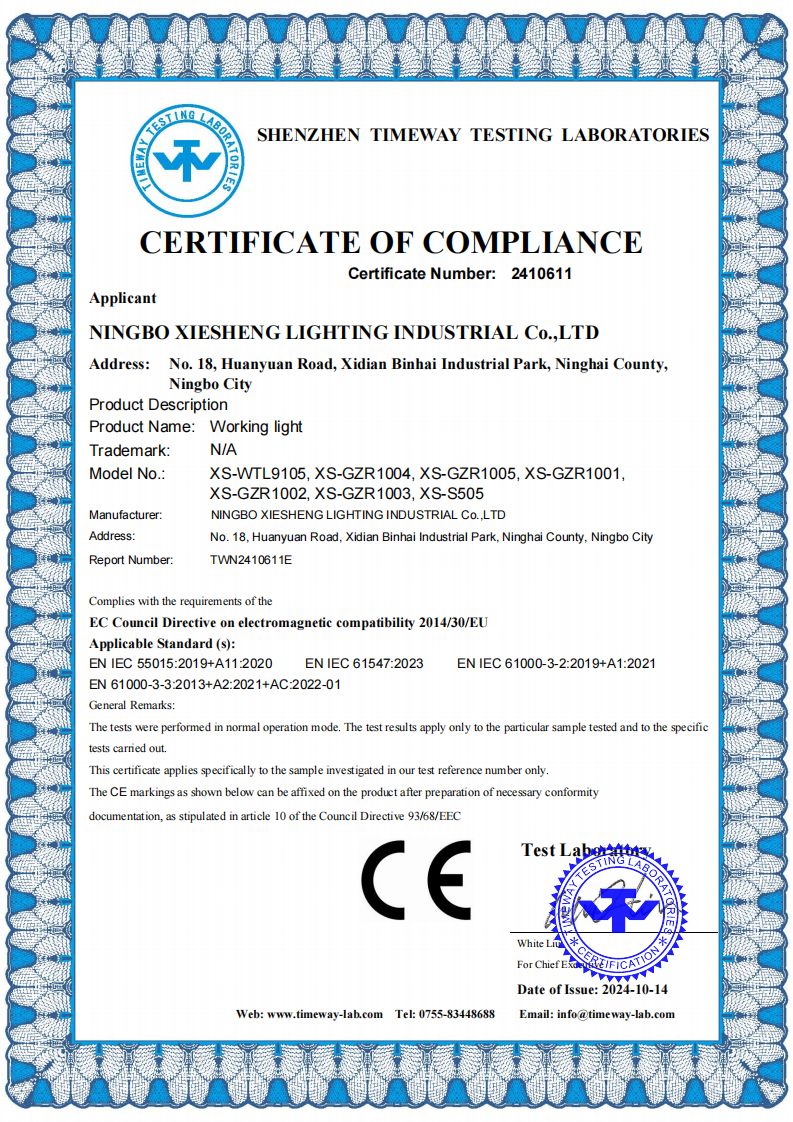
- CE Marking: This is mandatory for products sold within the European Economic Area (EEA) and signifies compliance with relevant health, safety, and environmental protection standards, including the Low Voltage Directive (LVD) and Electromagnetic Compatibility (EMC) directive.
- RoHS (Restriction of Hazardous Substances): A critical EU directive that restricts the use of specific hazardous materials in electronic and electrical products. This is a key indicator of responsible and environmentally conscious manufacturing.
- UL/IECEx: For products intended for specific industrial or hazardous environments, we can develop solutions that meet standards like UL (for North America) or ATEX/IECEx (for explosive atmospheres).
When you partner with us for a custom edc flashlight project, we include certification strategy in the initial planning phase. If modifications to a base design require new testing, we ensure that the time and cost are factored into the project plan from the outset, providing a clear and predictable path to market.
Frequently Asked Questions (FAQ)
Q1: What is the real-world difference between lumens and candela?
Lumens measure the total amount of visible light a flashlight emits in all directions—think of it as the total "volume" of light. Candela, on the other hand, measures the intensity of the light at the single brightest point in the beam. A high-lumen light is great for "flood" illumination, lighting up a wide, close-range area. A high-candela light is a "thrower," producing a tight, focused beam that can illuminate objects far away. For walking a path, lumens are key. For spotting something across a field, candela is more important.
Q2: What does an IP68 rating actually mean for an EDC flashlight?
An IP68 rating represents one of the highest levels of protection against dust and water. The "6" means the flashlight is completely dust-tight, offering full protection against the ingress of fine particles. The "8" means the flashlight is protected against continuous submersion in water under conditions specified by the manufacturer (e.g., up to 2 meters deep for 4 hours). For an EDC user, this means the flashlight can easily survive being dropped in a puddle, used in a torrential downpour, or even accidentally run through a washing machine cycle without failing.
Q3: How long does it take to develop a custom EDC flashlight?
The timeline depends heavily on the level of customization. For an OEM project (private labeling an existing model), the process can be very fast, often taking just 4 to 8 weeks from final design approval to shipment. For a full ODM project, which involves creating a new design from scratch, the timeline is longer. This includes phases for industrial design, 3D prototyping, tooling for molds, and rigorous testing, which can extend the process to 4-6 months or more, depending on complexity.
Q4: What are the benefits of a high-CRI LED in an EDC flashlight?
CRI stands for Color Rendering Index, a scale from 0 to 100 that measures how accurately a light source reveals the true colors of an object compared to natural sunlight (which has a CRI of 100). Most standard LEDs have a CRI of around 70-80, which can make colors appear washed out or have a bluish-green tint. A high-CRI LED (90 or above) renders colors much more faithfully. This is crucial for professionals like electricians who need to distinguish wire colors, first responders assessing injuries, or photographers and artists who need accurate color representation. For everyday use, high-CRI light is simply more pleasant and natural to the eye.
Q5: What is the advantage of a "dual-fuel" flashlight that uses both 14500 and AA batteries?
The primary advantage is flexibility. A dual-fuel flashlight can be powered by a rechargeable 3.7V 14500 lithium-ion battery to achieve its maximum brightness and performance. However, if that battery runs out and a charger isn't available, the user can swap in a standard 1.5V AA alkaline or NiMH battery, which can be found in almost any store worldwide. While the output on a AA battery will be significantly lower, it ensures the user is never left without a functional light in an emergency. It's the ultimate combination of high performance and convenient backup power.
Partnering with skilled edc flashlight manufacturers is a vital strategic decision for any brand looking to compete in the outdoor and everyday carry markets. A successful collaboration is built on a foundation of transparent specifications, rigorous testing, and sustained support. We are dedicated to delivering high-performing custom edc flashlights that empower our partners with reliable, innovative products consumers can trust. By integrating advanced technology, user-centric design principles, and a deep understanding of manufacturing, we help brands not only meet but exceed the expectations of their customers. We encourage you to explore the possibilities and join us in creating the next generation of exceptional illumination tools.