




Top 6 Pen Light Manufacturers and Suppliers for Industrial and Promotional Buyers (2026)
As an industry insider, I've seen firsthand how industrial distributors and promotional gift suppliers are in constant search of reliable sources for pen lights. However, their specific applications and acceptance criteria can be dramatically different. For me, the true mark of exceptional pen light manufacturers isn't just a competition for the brightest single unit. Instead, it lies in their ability to deliver consistently replicable structures for optics, pen clips, and switches in large volumes, prioritizing stability and quality above all else.
This comprehensive guide is designed to help you navigate the essential factors in selecting the right partners, ensuring your unique industrial, medical, or promotional needs are met. We will explore the key performance indicators, sourcing strategies, and customization options that separate the best from the rest.
Key Takeaways
This guide provides a detailed roadmap for industrial and promotional buyers to select the ideal pen light manufacturer. Here are the essential insights you will gain:
Application-Specific Needs: We will break down the distinct requirements for different pen light uses. Industrial applications, such as for MRO and inspection teams, demand durability, high-quality optics, and specific beam types. In contrast, promotional pen lights prioritize branding opportunities, cost-effectiveness, and visual appeal. Medical pen lights have their own strict criteria, including color temperature and safety certifications. Understanding these differences is the first step toward making a smart purchase.
Core Manufacturer Value: The best pen light manufacturers provide more than just a product; they offer a stable and repeatable manufacturing process. This means consistency across large batches in critical components like the LED, optical lens, switch mechanism, and pen clip. This reliability is far more valuable for B2B buyers than a single, ultra-bright sample that cannot be mass-produced consistently.
Key Technical Specifications: A deep dive into the technical aspects you must evaluate. This includes the type of LED used (SMD vs. COB), battery compatibility (alkaline, Li-poly), waterproof ratings (IPX4 to IP68), and the quality of materials used for the body and clip. We will provide a checklist to help you compare potential suppliers.
Sourcing Strategies (China vs. Local): An analysis of the pros and cons of sourcing from a china pen work light manufacturer versus assembling locally. We’ll discuss factors like unit cost, Minimum Order Quantities (MOQs), lead times, and the level of customization available. This section will help you determine the most cost-effective and efficient strategy for your business model.
Customization and OEM Capabilities: The guide explores the full spectrum of customization. A proficient led pen oem manufacturer can offer everything from simple logo printing to a complete oem pen light development process, including unique body designs, custom packaging, and specific performance features. Ensuring a manufacturer has robust pen light quality assurance protocols is critical for custom projects.
By the end of this article, you will be equipped with the expertise to confidently evaluate and select a pen light supplier that aligns perfectly with your quality standards, budget, and long-term business goals.
What Do Pen Light Manufacturers Offer Industrial and Promotional Buyers?
Pen lights are ubiquitous, found in the pockets of technicians, doctors, and at trade show booths. However, the journey from a manufacturer’s production line to the end-user is shaped by vastly different requirements. For industrial and promotional buyers, understanding what a pen light manufacturer can offer beyond a simple lighting device is key to a successful partnership. It’s about recognizing that the needs of an HVAC technician and a marketing manager are worlds apart, and a good supplier can cater to both with precision and reliability.

Understanding Diverse Pen Light Applications
The term "pen light" covers a broad category of portable lighting tools, each designed with a specific user and environment in mind. A one-size-fits-all approach is rarely effective. The primary distinction lies between tools designed for professional performance and items intended for brand promotion.
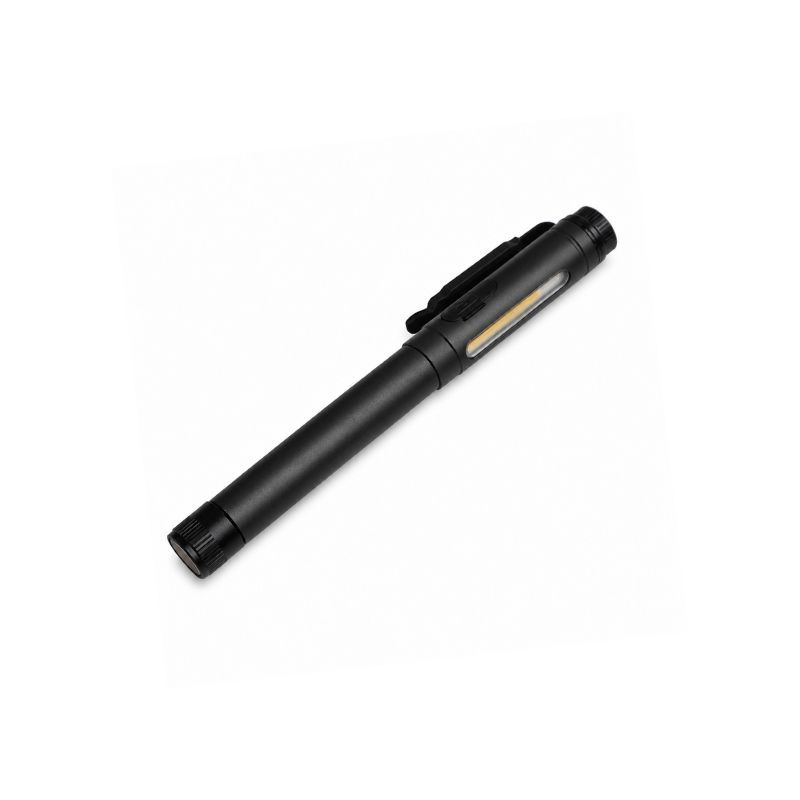
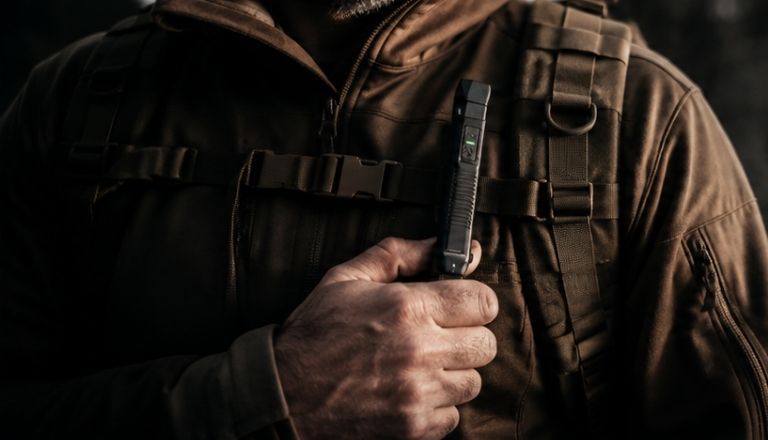
Industrial & MRO (Maintenance, Repair, and Operations): Professionals in these fields require robust, reliable tools. A pen light for MRO and inspection teams is not a disposable item; it’s an essential piece of equipment. Key features include:
- Durability: Often constructed from aircraft-grade aluminum or impact-resistant polymers to withstand drops and harsh conditions.
- Beam Quality: A focused, clean beam without dark spots is crucial for detailed pen lights for inspection tasks. Some models feature adjustable focus or dual beams (a spotlight for distance and a floodlight for area illumination).
- High CRI: A high Color Rendering Index (CRI) is essential for electricians or technicians to accurately identify wire colors.
- Certifications: In certain environments, certifications like Intrinsically Safe (IS) for hazardous locations are mandatory.
Medical Field: Medical pen lights are diagnostic tools. They require specific features to ensure patient safety and diagnostic accuracy.
- Pupil Gauge: Many medical pen lights have a pupil gauge printed on the body for quick reference.
- Warm Light: A yellowish, low-output light (often under 50 lumens) is used to avoid causing discomfort to a patient's eyes during an examination.
- Hygienic Materials: Surfaces must be easy to clean and disinfect.
Promotional & Gift Market: When a pen light is used as a promotional item, the priorities shift.
- Brand Visibility: The primary goal is to display a company logo prominently. A large, flat surface for printing or engraving is a key design feature.
- Cost-Effectiveness: Since these are often given away in large quantities, the unit price is a major consideration.
- Aesthetic Appeal: Bright colors, unique shapes, and attractive packaging can make the item more desirable to recipients.
- Perceived Value: Even at a low cost, the pen light should feel substantial enough to represent the brand positively. A flimsy, unreliable product can reflect poorly on the company giving it away.
The Core Value Proposition of Pen Light Manufacturers
For a B2B buyer, the true value of a pen light supplier is not found in a single impressive sample, but in the promise of consistency and reliability across thousands of units. This is the core value proposition that distinguishes a dependable partner from a mere trader.
The critical components where this consistency matters most are:
- Optical System: The lens and reflector determine the quality of the light beam. A reliable manufacturer uses standardized optical components that produce a consistent beam profile—whether it’s a tight hotspot for inspection or a smooth flood for general illumination—in every single unit. Variations here can lead to unacceptable quality issues for industrial users.
- Switch Mechanism: The on/off switch (typically a tail switch or side switch) is a high-failure-rate component. A good manufacturer invests in durable switches rated for thousands of cycles. For a promotional buyer, a switch that fails after a few uses can damage brand reputation. For an industrial user, it means downtime and frustration. The ability to replicate a reliable switch mechanism in bulk is a sign of a mature production process.
- Pen Clip: The clip is arguably one of the most important functional parts of a pen light. It must be strong enough to hold securely to a pocket or clipboard without breaking or bending over time. Manufacturers who understand this will use quality spring steel or well-designed integrated clips and can guarantee their performance across a production run.
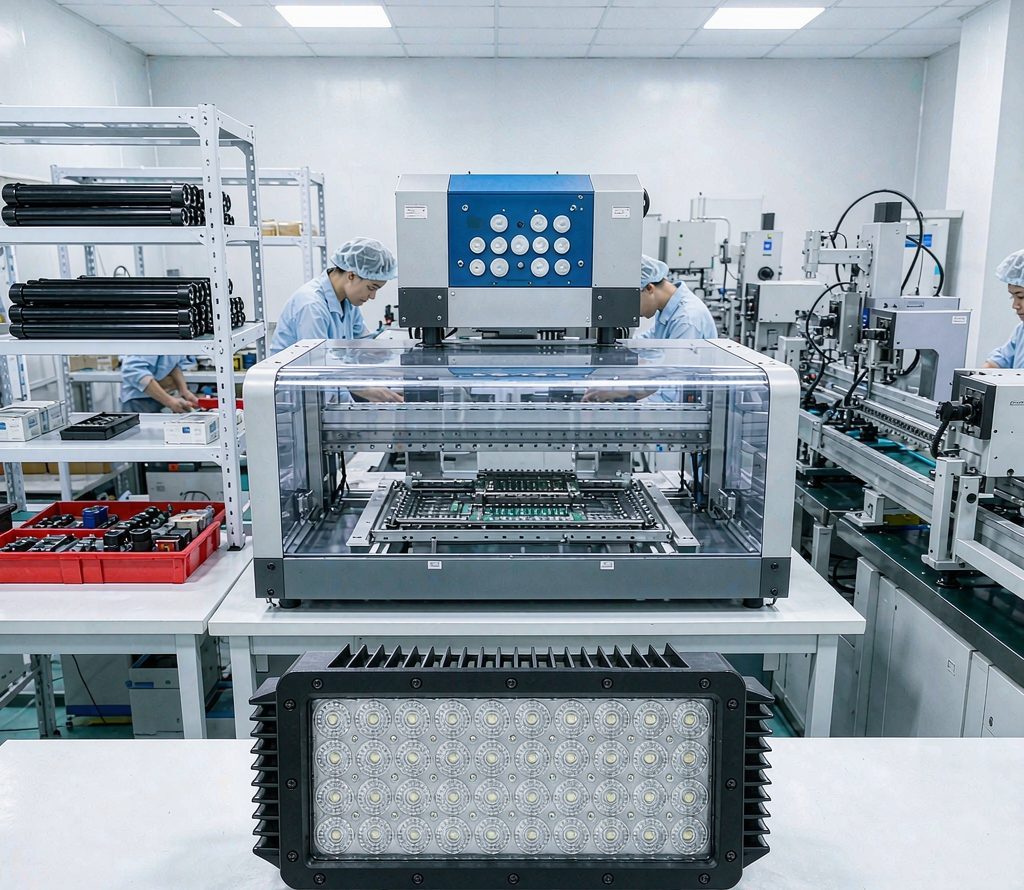
In essence, the value is in the systemization of quality. Buyers should look for a pen work light manufacturer who can demonstrate robust quality control at each stage, from component sourcing to final assembly. This ensures that the 10,000th pen light you receive is identical in performance and durability to the first.
Pen Work Light Manufacturer Selection: LED Type, Clip, and Switch
When you're ready to select a pen work light manufacturer, you need to move beyond surface-level specifications and dive into the technical details that define a product's performance and longevity. The LED, clip, and switch are the trifecta of components that determine a pen light's utility and reliability. A knowledgeable buyer knows what to ask for, and a capable manufacturer knows how to deliver it consistently.
Key Performance Indicators for Pen Work Light Manufacturers
To accurately assess a manufacturer's capabilities, you must evaluate them based on measurable performance indicators. These KPIs separate the professional-grade suppliers from the rest and ensure the final product meets the demands of an industrial environment.
| Feature | Low-Quality Indicator | High-Quality Indicator (What to demand from a Pen Work Light Manufacturer) | Why it Matters |
|---|---|---|---|
| LED Type | Unspecified or generic LEDs (e.g., "5mm DIP LED"). Often have a strong blue tint and low CRI. | Specified, brand-name LEDs (e.g., Cree XP-G, Nichia 519A, Samsung LH351D) or high-quality COB arrays. | Brand-name LEDs offer proven reliability, consistent color temperature, high CRI for accurate color representation, and stable light output over their lifetime. |
| Light Output (Lumens) | Grossly exaggerated lumen claims (e.g., "99,000 Lumens"). Output drops drastically after a few seconds. | ANSI FL1 Standard rated lumens. Stable, regulated output that doesn't dim significantly as the battery drains. | The ANSI FL1 standard is a voluntary industry standard for measuring flashlight performance. A manufacturer who adheres to it is committed to transparency and providing accurate, comparable data. |
| Switch Durability | Mushy feel, fails intermittently, or breaks easily. Rated for only a few hundred cycles. | A crisp, tactile click. Rated for 10,000+ cycles. Often-sealed and waterproof. | The switch is the primary user interface. A durable, reliable switch is non-negotiable for a tool intended for daily professional use. |
| Clip Design & Material | Flimsy, easily bent metal; plastic that snaps; clip that is glued or weakly attached. | Strong spring steel, titanium, or a well-integrated, thick aluminum clip. May be reversible or removable. | The clip secures a multi-hundred-dollar investment for many professionals. A weak clip leads to lost tools, which is unacceptable in an industrial setting. |
| Beam Quality | Ugly artifacts, dark rings ("donut hole"), or a very cool blue/purple tint. | A smooth, even beam profile (hotspot and spill). Consistent color temperature (e.g., 4500K-5500K for neutral white). | A clean beam is essential for inspection tasks, reducing eye strain and allowing the user to focus on the work, not the imperfections in the light. |
Pen Light Supplier Checklist: Battery, Waterproofing, and Logo Printing
Beyond the core performance components, several other factors are critical in defining the overall quality and suitability of a pen light for your program. Use this checklist when vetting a potential pen light supplier.
Battery Compatibility and Management
- Supported Types: Does the pen light use common AA or AAA alkaline batteries, or does it support rechargeable options like NiMH or 10440/14500 Li-ion cells? For integrated battery models, what is the chemistry (usually Li-poly)? The choice affects runtime, brightness, and long-term cost.
- Charging System (if applicable): For rechargeable models, what type of port is used (Micro-USB, USB-C, or a proprietary magnetic system)? USB-C is rapidly becoming the standard for convenience. Check for charging indicators and overcharge protection circuits, a crucial safety feature.
- Regulation: Does the light maintain a stable brightness, or does it dim as the battery drains? A well-regulated driver circuit is a hallmark of a quality oem pen light.
Environmental Resistance (Waterproofing & Impact)
- IP Rating: This is a critical spec.
- IPX4: Splash resistant from any direction. Suitable for general use but not submersion.
- IPX7: Can be submerged in up to 1 meter of water for 30 minutes.
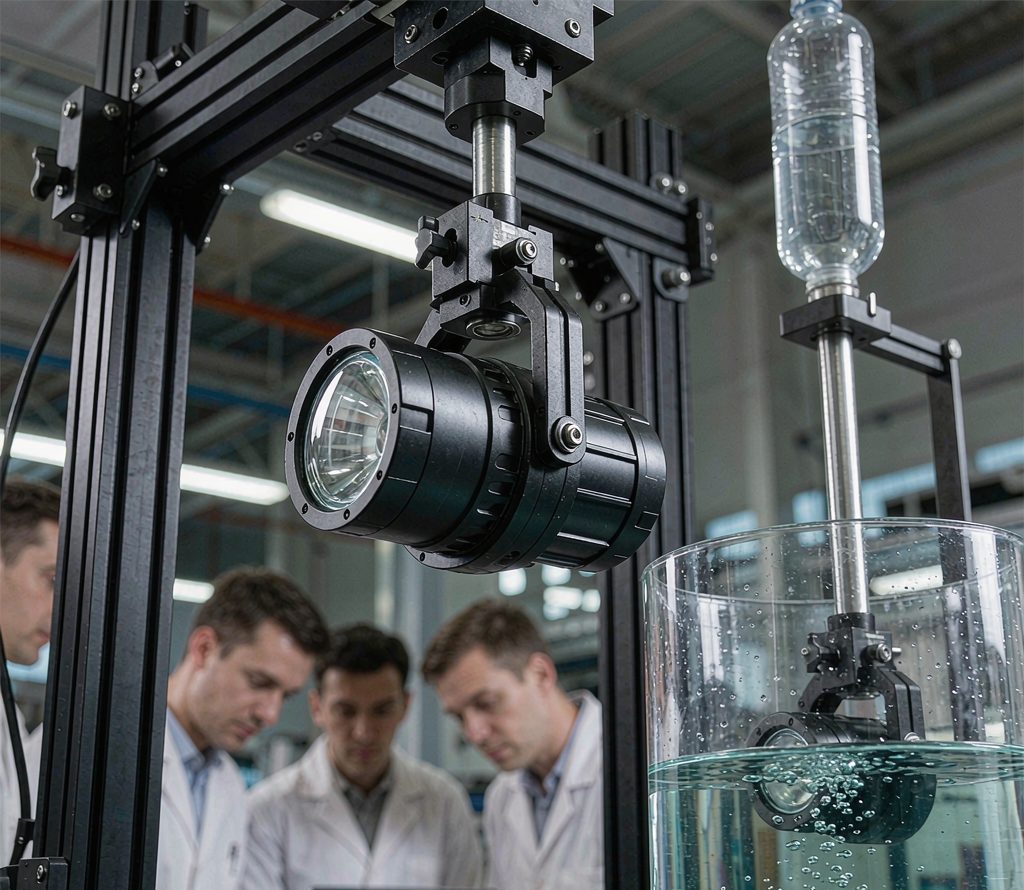
- IPX8 / IP68: Can be continuously submerged under conditions specified by the manufacturer. This is essential for plumbing, marine, and other wet environments.
- Impact Resistance: Usually measured in meters (e.g., 1m or 1.5m drop resistance). This is tested by dropping the light onto concrete. The manufacturer should be able to provide test data or certifications.
Customization and Branding
- Logo Application Method:
- Silk-Screen Printing: Cost-effective for multi-color logos but can wear off over time.
- Laser Engraving: Permanent and provides a premium look, especially on anodized aluminum. It reveals the silver aluminum underneath the colored coating.
- UV Printing: Allows for full-color, detailed graphics directly on the pen light body.
- Location and Size: Can the manufacturer print on the clip, the head, or the body? What is the maximum printable area? A good supplier will provide a detailed template for your design.
- Anodization Color: For aluminum pen lights, can the supplier match a specific Pantone color for the body? This is a key requirement for brand consistency in large promotional orders.
A thorough evaluation using these checklists will ensure you partner with a manufacturer who understands the nuances of creating a high-quality product, whether it's for a demanding industrial environment or a high-visibility promotional campaign.
China Pen Work Light vs Local Assembly: Cost, MOQ, and Lead Time
One of the most significant strategic decisions for any buyer is where to source their products. The debate between sourcing from a china pen work light manufacturer and opting for local or regional assembly involves a complex trade-off between cost, speed, and control. There is no single right answer; the optimal choice depends entirely on your business model, order volume, and customization needs.
Navigating Sourcing Options for Pen Work Light Manufacturers
The global supply chain offers several models for bringing a product to market. For pen lights, the primary options are sourcing complete, finished products from overseas (most commonly China) or procuring components to be assembled closer to your home market.
Direct Sourcing from China: This is the most common model for both promotional and industrial pen lights due to significant cost advantages.
- Pros:
- Lower Unit Cost: Economies of scale, lower labor costs, and a highly concentrated electronics supply chain in regions like Shenzhen and Ningbo lead to unparalleled unit pricing.
- Vast Selection: An enormous range of existing molds and designs are available, reducing the need for R&D on standard models.
- Integrated Supply Chain: Chinese manufacturers have direct access to suppliers of LEDs, drivers, batteries, and other components, streamlining production.
- Cons:
- Higher MOQs: Factories are optimized for mass production, so Minimum Order Quantities can range from 500 to several thousand units.
- Longer Lead Times: Ocean freight can take 30-60 days, in addition to production time (typically 30-45 days). This requires careful inventory planning.
- Communication & Quality Control: Language barriers, time zone differences, and the distance can make communication and on-site quality control challenging without a trusted partner or third-party inspection service.
- Pros:
Local or Regional Assembly: This model involves sourcing components (which may still come from Asia) and performing final assembly in your home country.
- Pros:
- Lower MOQs & Faster Turnaround: Assembling locally allows for more flexibility and can be ideal for smaller, more urgent orders or just-in-time inventory systems.
- Greater Quality Control: You have direct oversight of the assembly process, allowing for immediate correction of any issues.
- "Made Locally" Marketing Advantage: For some markets, a "Made in the USA" or "Made in EU" label carries significant value.
- Cons:
- Significantly Higher Cost: Labor and overhead costs are substantially higher, which directly impacts the final unit price.
- Supply Chain Complexity: You become responsible for sourcing, vetting, and managing multiple component suppliers, which can be a major operational burden.
- Limited Capabilities: Local assemblers may not have the specialized equipment for processes like anodizing, precision optics molding, or advanced electronics production that are commonplace for a dedicated pen light manufacturer in China.
- Pros:
Strategic Considerations for Buyers
The decision to source from China or assemble locally should be based on a strategic analysis of your program's goals.
| Consideration | Best for China Sourcing | Best for Local Assembly |
|---|---|---|
| Primary Goal | Cost Reduction. Achieving the lowest possible cost per unit for high-volume orders. | Speed & Flexibility. Fulfilling smaller, time-sensitive orders or offering high-end, locally-branded products. |
| Order Volume | High volume (typically 1,000+ units per SKU). | Low to medium volume (under 1,000 units), or high-mix, low-volume orders. |
| Customization | Deep customization is possible (new molds, custom electronics), but requires large investment and long development cycles. Standard logo/color customization is very easy. | Primarily limited to assembly variations, packaging, and final branding. Component-level customization is difficult. |
| Lead Time Tolerance | High. Buyers must be able to plan inventory 3-4 months in advance. | Low. Buyers who need product within a few weeks. |
| Budget | Focused on minimizing Cost of Goods Sold (COGS). | Willing to accept higher COGS in exchange for speed, control, or marketing benefits. |
For many businesses, a hybrid approach offers the best of both worlds. You might work with a china pen work light manufacturer for your high-volume, price-sensitive products while retaining a local partner for premium, low-volume, or highly urgent needs. The key is to find a manufacturing partner, whether abroad or local, who understands your needs and can provide the transparency and reliability required for a strong supply chain. For many, finding a reputable led pen oem manufacturer in China who can manage the entire process from design to delivery is the most efficient and effective strategy.
Custom Pen Light and LED Pen OEM Manufacturer Options
For brands looking to stand out or for industrial clients with highly specific needs, off-the-shelf products are often not enough. This is where the true capabilities of a custom pen light manufacturer come into play. The ability to tailor a product—from its appearance to its performance—is a powerful tool for creating value. A top-tier led pen oem manufacturer acts as more than just a supplier; they become a development partner, bringing your unique vision to life.
Tailored Customization for Your Brand
Customization exists on a spectrum, from simple cosmetic changes to a full ground-up design.
Level 1: Logo & Color (ODM - Original Design Manufacturing): This is the most common form of customization, particularly for promotional products. The process involves:
- Selecting an Existing Model: The manufacturer provides a catalog of their existing pen light designs.
- Applying a Brand Identity: You provide your logo, which is then applied via laser engraving or screen printing. You can also typically select from a range of standard anodization colors or, for a higher MOQ, request a custom Pantone-matched color.
- This approach is fast, cost-effective, and ideal for most promotional programs where the primary goal is brand visibility.
Level 2: Component Modification: This involves taking an existing design and modifying key components to meet specific performance targets. Examples include:
- Upgrading the LED: Swapping a standard LED for a high-CRI model for accurate color work.
- Changing the Switch: Modifying the user interface, for example, from a simple on/off to a multi-mode switch (High/Low/Strobe).
- Altering the Optics: Changing the lens or reflector to create a wider flood beam or a more tightly focused inspection beam.
Level 3: Full OEM (Original Equipment Manufacturing): This is a complete, bespoke design process.
- Concept & Design: You work with the manufacturer's engineering team to create a completely new pen light. This includes 3D modeling of the body, designing the internal electronics (driver circuit), and specifying all materials.
- Tooling & Prototyping: The manufacturer creates new molds and tooling for the unique parts. Prototypes are produced and sent for approval.
- Mass Production: Once the prototype is approved, full-scale production begins.
- A full oem pen light project is a significant undertaking, requiring investment in NRE (Non-Recurring Engineering) costs and tooling, as well as high MOQs. However, it offers complete control and results in a truly unique product that your competitors cannot replicate. The oem pen light development process is a collaborative effort that requires a high degree of trust and expertise from your manufacturing partner.
Ensuring Consistency with LED Pen OEM Manufacturer Capabilities
The biggest challenge in any custom project is ensuring that the final mass-produced units are identical to the approved prototype. A capable led pen oem manufacturer ensures consistency through several key processes:
- Golden Sample: An approved prototype is designated as the "golden sample." This physical unit serves as the benchmark against which all production units are compared.
- Standard Operating Procedures (SOPs): Detailed documents are created that outline every step of the assembly process, from which a screw to use to the exact method for soldering a wire.
- In-Process Quality Control (IPQC): Quality checks are performed at multiple stages of the production line, not just on the final product. This catches deviations early before they affect thousands of units.
- Component Traceability: The manufacturer keeps records of the component batches used in production. If a problem is discovered later, they can trace it back to a specific batch of LEDs, drivers, or switches.
- Rigorous pen light quality assurance: Final products are tested for functionality, lumen output, waterproofness, and cosmetic appearance before shipping, based on an agreed-upon AQL (Acceptable Quality Limit).
OEM Pen Light Packaging for Retail and Promotional Programs
The packaging is an integral part of the product, especially for retail or high-end promotional gifts. It’s the first thing the end-user sees and plays a crucial role in shaping their perception of quality. A good manufacturer can offer a wide range of packaging solutions:
- Bulk Packaging: Simple, low-cost poly bags or egg-crate dividers, are used for large industrial orders where the packaging is immediately discarded.
- White Box / Brown Box: Simple, unbranded cardboard boxes provide protection during shipping and are a blank canvas for applying custom labels.
- Blister Packs: Plastic and cardboard retail packaging that allows the product to be hung on a peg. Requires custom printing and tooling.
- Gift Boxes: Premium rigid boxes with custom foam inserts, often featuring magnetic closures. Ideal for corporate gifts and retail presentation.
- Custom Sleeves: A printed paperboard sleeve can be slipped over a standard box to add custom branding in a cost-effective way.
Your manufacturer should be able to provide die-lines (templates) for your graphic designer and advise on the most suitable and cost-effective packaging for your specific distribution channel.
Diverse Product Offerings from Pen Light Manufacturers (Industrial, Medical, Promotional)
Top-tier pen light manufacturers often don’t limit themselves to a single category. Their expertise in lighting technology, manufacturing processes, and supply chain management allows them to serve multiple markets. They understand the nuanced differences in requirements:
- Industrial: Focus on durability (aluminum bodies, IP68 ratings), performance (high lumens, high CRI), and reliability (long-lasting switches).
- Medical: Focus on safety (low, warm light output), hygiene (smooth, easy-to-clean surfaces), and diagnostic utility (pupil gauge).
- Promotional: Focus on aesthetics (color options, large branding area), cost, and perceived value.
By leveraging their capabilities across these categories, a versatile manufacturer can be a long-term partner for your business as your product needs evolve. They can help you develop a basic promotional pen light today and a sophisticated, certified industrial inspection light tomorrow, all under one roof.
Talk to OWLAMP About Your Pen Light Program
Navigating the world of pen light manufacturers can be complex. After exploring the diverse applications, critical technical specifications, sourcing strategies, and customization options, the next step is to start a conversation with a potential partner who can meet your specific needs. At OWLAMP, we specialize in transforming your requirements into reliable, high-quality lighting solutions.
Addressing Common Inquiries for Pen Light Manufacturers
Over the years, we've helped countless industrial and promotional buyers launch successful pen light programs. Here are some of the most common questions we encounter, along with our insights:
1. "What is a realistic MOQ for a custom pen light?" This is one of the most frequent and important questions. The answer depends on the level of customization:
- For logo printing on an existing model: MOQs are typically lowest, often starting around 500-1,000 pieces. This allows us to set up the printing/engraving process efficiently.
- For custom Pantone-matched body colors: MOQs increase, usually to 2,000-3,000 pieces, as the anodizing factory requires a minimum batch size to run a custom color.
- For a full OEM project with a new mold: MOQs are highest, often 5,000-10,000 pieces. This is necessary to amortize the significant costs of engineering, tooling, and development (NRE).
2. "How can I be sure the quality will be consistent on a large order?" This is the core concern for any serious buyer. Our process for ensuring consistency is multi-layered and transparent. It begins with creating a "golden sample" that you approve. From there, we implement strict In-Process Quality Control (IPQC) and finalize with a Final Quality Control (FQC) inspection based on an agreed AQL standard. We are happy to share our QC reports and welcome third-party inspectors to our facility to provide you with complete peace of mind and robust pen light quality assurance.
3. "Can you create a pen light for a specific industrial task, like HVAC or automotive inspection?" Absolutely. This is where our expertise as a pen work light manufacturer shines. We can work with you to develop a light with the ideal features for your application. This could include:
- A high-CRI LED for accurate wire color identification for electricians.
- A UV (ultraviolet) LED for leak detection in HVAC systems.
- A flexible gooseneck attachment for inspecting hard-to-reach areas in an engine bay.
- A magnetic tailcap for hands-free use. We specialize in creating tools that solve real-world problems, including the perfect pen light for MRO and inspection teams.
4. "What is the typical lead time from placing an order to receiving the goods?" The lead time has two main components: production and shipping.
- Production: For a standard order with logo printing, production typically takes 30-45 days after sample approval. For a full OEM project, the initial development can take 60-90 days, with subsequent production runs taking 30-45 days.
- Shipping: Ocean freight to North America or Europe typically takes 30-50 days. Air freight is much faster (5-10 days) but significantly more expensive and usually reserved for small, urgent orders or prototypes. Therefore, a realistic timeline to plan for is approximately 75-90 days from order confirmation to final delivery via ocean freight.
Your Next Steps with Pen Light Manufacturers
Choosing the right partner is a critical decision. We encourage you to move forward with a clear plan.
- Define Your Requirements: Before you contact any manufacturer, create a detailed document outlining your needs. What is the application? What are the must-have features (lumens, IP rating, battery type)? What is your target cost and order quantity?
- Request Samples: The best way to judge quality is to get a product in your hands. Ask for samples of existing products that are similar to what you need.
- Start a Technical Dialogue: Engage with our engineering and sales teams. Ask detailed questions about components, quality control processes, and customization capabilities. A good manufacturer will welcome this discussion.
- Initiate a Project: Whether you need a simple branded promotional item or are embarking on a full pen work light manufacturer project, we are ready to assist. Let's discuss your vision and build a plan to bring it to life.
Contact OWLAMP today to discuss your pen light program. Let our experience and manufacturing expertise work for you.
Frequently Asked Questions (FAQ)
What are the main differences between an industrial-grade pen light and a promotional one?
The primary differences lie in four areas: durability, performance, cost, and purpose. An industrial-grade pen light is built as a rugged tool. It typically features a body made of hard-anodized aircraft-grade aluminum or impact-resistant polymer, making it resistant to drops, water (with an IPX7 or higher rating), and chemicals. Its performance is geared towards professional use, often with high-CRI LEDs for accurate color rendering (critical for electricians), a focused beam for detailed pen lights for inspection tasks, and a regulated output for consistent brightness. In contrast, a promotional pen light's main purpose is to carry a brand's logo. While it needs to be functional, durability and performance are secondary to cost-effectiveness and aesthetic appeal. They often use less expensive materials, simpler electronics, and are designed with a larger, more prominent surface area for branding. The goal for an industrial buyer is long-term reliability; for a promotional buyer, it's about maximizing brand impressions within a budget.
Why is ANSI FL1 Standard important when choosing a pen light?
The ANSI FL1 Standard provides a uniform way of defining, measuring, and marking basic flashlight performance. When a pen light supplier claims their product adheres to this standard, it means you can trust their specifications for light output (lumens), beam distance, runtime, peak beam intensity, impact resistance, and water resistance. Without this standard, manufacturers can (and do) make exaggerated claims—for example, advertising astronomically high lumen numbers that are either measured improperly or can only be sustained for a few seconds before dimming. Adherence to the ANSI FL1 standard signals that the manufacturer is transparent, professional, and confident in their product's performance. It allows buyers to make a true apples-to-apples comparison between different models and manufacturers, ensuring you get the performance you are paying for.
What should I look for in a pen light's switch and clip?
The switch and clip are two of the most common failure points on a pen light, so they deserve special attention. For the switch, whether it’s a push-button on the tail or the side, look for a "tactile" feel—a crisp, positive click that confirms activation. Avoid mushy or inconsistent switches. Ask the manufacturer about the switch's rated lifespan, which should be at least 10,000 cycles for a quality product. For the clip, the key is material and design. A good clip is typically made from spring steel, which can be flexed repeatedly without losing its tension. Avoid flimsy aluminum or plastic clips that can easily bend or snap. The clip should be securely attached to the body (screwed on is better than snapped on) and provide enough tension to hold the light firmly in a pocket or on a belt. Some professional-grade models offer a reversible clip, allowing the user to carry the light bezel-up or bezel-down. These seemingly small details are critical for the day-to-day usability and longevity of the tool.
Can a China-based manufacturer really produce high-quality, reliable pen lights?
Yes, absolutely. The stereotype of Chinese manufacturing being solely focused on low-cost, low-quality goods is outdated. While that segment of the market still exists, China is also home to some of the world's most advanced and sophisticated electronics manufacturing facilities. Many top-tier, globally recognized flashlight brands have their products manufactured in China. The key is to partner with the right china pen work light manufacturer. A reputable supplier will have robust quality management systems (like ISO 9001 certification), invest in R&D, use high-quality components (e.g., Cree or Nichia LEDs), and have a proven track record of producing reliable products for demanding clients. The best pen light manufacturers in China are not just assemblers; they are full-service partners who can manage the entire product lifecycle, from initial design and oem pen light development to mass production and global logistics, all while maintaining stringent quality control. Vetting your potential partner thoroughly is essential.
I have shared critical insights to help you make informed decisions when choosing pen light manufacturers, emphasizing that the best choice is always dictated by your specific industrial, medical, or promotional needs. This means looking beyond simple brightness claims and focusing on the factors that truly matter for long-term value and performance.
From my perspective, focusing on the consistency of components, the durability of the build, and the depth of customization capabilities is the key to securing a reliable supply chain and a superior product. A holistic evaluation, which considers everything from the LED binning to the switch cycle rating, is what leads to a successful partnership. This approach ensures the thousandth unit you receive is just as good as the first one you approved.
Ultimately, I encourage you to conduct a thorough evaluation and maintain clear, detailed communication with any potential pen light manufacturer. Ask the tough questions, demand transparency in their processes, and invest the time to find the ideal partner. This due diligence will pay dividends, ensuring your next important project is supported by a high-quality product that meets your exact specifications.