Top 10 LED Inspection Lights Manufacturers in 2026: OEM Capability, CRI, and MOQ Compared
As procurement managers, we often find ourselves sifting through countless options at trade shows, looking for reliable led inspection lights manufacturers. The challenge lies not just in finding a supplier, but in identifying a partner who understands the nuanced needs of industrial applications. The sheer volume of nearly identical products can be overwhelming, making it difficult to distinguish true quality from a well-polished shell.
Selecting the right led inspection lights manufacturers can be daunting, but a truly qualified partner offers more than just low-cost samples. We expect verifiable IP/IK ratings, stable OEM delivery schedules, and critically, a Color Rendering Index (CRI) of 95 or higher to meet our exacting standards. It's about finding a partner whose products don't just illuminate but reveal, ensuring that every detail, every flaw, and every color is rendered with absolute fidelity. This guide provides a comprehensive framework for evaluating and selecting the ideal OEM partner for your industrial lighting needs.
Key Takeaways
- Core Specifications are Non-Negotiable: For professional applications, prioritize a high CRI (90+), appropriate color temperature (5000K-6500K for detailing and paint), and sufficient lumens. Don't be misled by lumen count alone; efficacy (lumens per watt) and runtime are equally critical for battery-powered units.
- Third-Party Verification is Essential: Never take a manufacturer's claims at face value. Insist on verifiable third-party test reports like LM-79 for performance and LM-80 for LED longevity. For market access, confirm that safety certifications (UL, ETL, CE) are legitimate by checking them in official online databases.
- OEM Customization Adds Value: A genuine OEM partner offers more than just a logo slap. Look for flexibility in private labeling, bespoke packaging, accessory kit configuration, and user manual integration. This demonstrates their commitment to being a true partner, not just a supplier.
- A Structured Evaluation Process is Key: Develop a multi-point evaluation scorecard that covers optical performance, structural integrity (IP/IK ratings), regulatory compliance, operational efficiency (MOQ, lead times), and post-sale support. This objective approach ensures you compare suppliers systematically.
- Sourcing Strategy Matters: While a
china inspection light factoryoften provides cost advantages due to economies of scale, it's crucial to weigh this against lead times, shipping costs, import duties, and potential risks. Compare direct factories against trading companies and regional suppliers to find the best balance of cost, flexibility, and risk mitigation for your business. - Ask the Right Questions Before Sampling: Before investing in samples, probe potential suppliers about their MOQ, warranty policies, certification validity, true luminous efficacy (backed by LM-79 reports), lead times, and customization capabilities. Clear answers to these questions will save significant time and resources.
What Do LED Inspection Lights Manufacturers Actually Offer OEM Buyers?
When sourcing from led inspection lights manufacturers, OEM buyers are looking for more than just a product; they are seeking a manufacturing partner capable of delivering a complete, market-ready solution. This partnership extends far beyond the physical light itself, encompassing precise technical specifications, deep customization options, and verifiable compliance with international standards. Understanding the full scope of what a top-tier inspection light supplier can offer is the first step in making a strategic sourcing decision.
Industrial Inspection Lighting Specs That Matter in Paint, Detailing, and Quality Control
While general industrial lighting prioritizes broad illumination and energy efficiency, inspection-grade lighting demands precision.. In quality control environments, the wrong light can mask defects, leading to costly errors down the line. For OEM buyers, specifying the correct technical parameters is not just a preference—it's a critical component of ensuring the end product's value and utility.
Deconstructing Core Specifications: CRI, Color Temperature, Beam Angle, Lumens, and Runtime
To the untrained eye, light is just light. To a professional, it is a tool with precise parameters. Understanding these core specifications is crucial for sourcing effective inspection lamps.
Color Rendering Index (CRI): CRI measures how accurately a light source reveals the true colors of an object compared to natural sunlight, on a scale of 0 to 100.. For tasks like paint matching, automotive detailing, and quality control, a high CRI is non-negotiable. A CRI of 80 is considered good for general work, but for precision tasks, a CRI of 90 or higher is essential to distinguish subtle shade differences and identify imperfections.. High CRI lighting improves visual accuracy, reduces eye strain, and is crucial for any application where color fidelity is important..
Color Temperature (CCT): Measured in Kelvin (K), CCT describes the visual warmth or coolness of a light source. A low Kelvin value (~2700K) produces a warm, yellowish light, while a high value (~6500K) produces a cool, bluish light similar to daylight. For automotive detailing, a CCT of 5000K to 6500K is considered optimal, as it provides a clean, neutral white light that accurately reveals paint colors and surface defects.. A 5000K temperature is often cited as ideal for seeing true color, while 6500K can be better for spotting flaws on lighter-colored surfaces..
Beam Angle: This determines the spread of light from the source. A narrow beam angle (spotlight) concentrates light on a small area, ideal for close-up inspection. A wide beam angle (floodlight) illuminates a larger area, suitable for general workspace visibility.. In industrial inspection, different beam angles serve different purposes; for example, angled beams are often required in non-destructive testing to detect flaws that are not parallel to the surface.. The choice depends on the specific task and operating distance.
Lumens and Runtime: Lumens measure the total brightness of a light source. While a high lumen count seems appealing, it is not the only factor.. For battery-powered
inspection lamps, there is always a trade-off between brightness (lumens) and how long the battery will last (runtime). A manufacturer's claimed lumen output often corresponds to the highest setting, where the runtime may be impractically short.. Therefore, OEM buyers must evaluate both the lumen output across different settings and the corresponding runtimes to ensure the light is practical for real-world use. A general guide for work lights is between 1000-5000 lumens, depending on the task's scale and detail required..

Tailoring Illumination: Specific Needs for Paint Booths, Auto Detailing, and General Industrial Inspection
Different inspection tasks demand uniquely tailored lighting. A one-size-fits-all approach is rarely effective.
Paint Booths: Proper lighting in a paint booth directly impacts color matching, finishing quality, and defect detection.. The industry standard is a light intensity of 1000 to 1500 lux, which is equivalent to 100-150 foot-candles.. A high CRI of 90 or above is crucial for accurate color representation, and a color temperature between 5000K and 6500K mimics natural daylight, allowing painters to spot imperfections and ensure precise color matching..
Auto Detailing: For auto detailers, lighting is their most important tool for identifying swirls, scratches, and coating high spots.. Like paint booths, a color temperature of 5000K-6500K is ideal for revealing true paint color and defects.. Handheld lights are often used at low angles to check for imperfections in ceramic coatings.. The quality of the industrial inspection lighting for paint and detailing can make the difference between a good and a perfect finish.
General Industrial Inspection: In manufacturing and quality control, lighting requirements vary by task. Areas for detailed product inspection require a minimum of 500 lux, while general work areas may only need 300 lux.. The goal is to provide sufficient, uniform illumination that reduces shadows and eye strain, enabling workers to maintain high levels of accuracy and productivity..
Beyond the Numbers: Ensuring Real-World Performance with Third-Party Test Reports (LM-79, LM-80)
Professional buyers know that a spec sheet is a promise, not a guarantee. Verifiable third-party data is the only way to ensure a product performs as advertised.
IES LM-79: This is the approved method for testing the overall performance of a complete LED luminaire.. An LM-79 report provides crucial data on total luminous flux (lumens), luminous efficacy (lumens per watt), power factor, CCT, and CRI.. It is a snapshot of the fully assembled product's performance, conducted by a recognized laboratory.. Requesting an LM-79 report is a non-negotiable step to verify a manufacturer's claims.
IES LM-80: While LM-79 tests the entire lamp, LM-80 tests the LED component itself—the package, array, or module.. It measures lumen maintenance over time, providing data on how the light output will decline as the LED ages.. An LM-80 report doesn't give the total lifespan of a product but is essential for predicting long-term reliability.. A credible
inspection light suppliershould be able to provide both LM-79 reports for their finished products and LM-80 data for the LEDs they use.
OEM Inspection Light Customization: Logo, Packaging, and Accessory Kits
A true OEM partner provides comprehensive customization services that allow buyers to create a unique product tailored to their brand and market. This involves more than simply adding a logo; it's about building a complete brand experience from the ground up.
Flexible Branding: Private Labeling, Bespoke Packaging Designs, and User Manual Integration
Branding is what transforms a generic product into a recognizable asset. A flexible OEM partner will work with you to integrate your brand identity seamlessly.
- Private Labeling: This is the most basic form of customization, where the manufacturer applies the buyer's logo and brand name to the product.
- Bespoke Packaging: Advanced OEMs offer custom packaging design, allowing you to create a box that not only protects the product but also communicates your brand's message and value proposition on the retail shelf.
- User Manual Integration: A customized user manual with your brand's formatting, language, and contact information builds customer trust and reduces post-sale support inquiries.
A comprehensive custom inspection light program should offer all these elements to ensure the final product is truly yours.
Value-Added Solutions: Configuring Comprehensive Accessory Kits for Diverse Market Demands
The needs of an automotive technician are different from those of an industrial inspector. A strategic OEM partner understands this and helps configure accessory kits that add value and appeal to specific customer segments. This could include:
- Mounting Options: Magnetic bases, tripods, hooks, and clamps.
- Power Solutions: Different types of chargers (AC/DC), extra battery packs, or longer cords.
- Carrying Cases: Durable cases for protection and portability.
- Light Modifiers: Diffusers to soften light and reduce glare for specific tasks.
Offering tailored kits allows you to address diverse market needs and create a more compelling product offering.
Navigating Compliance: Understanding Certification Verification for OEM LED Products
Selling industrial inspection lighting in global markets requires adherence to various safety and performance standards. An experienced OEM helps navigate this complex landscape.
- Certification is Not Optional: For North American markets, products must be certified by a Nationally Recognized Testing Laboratory (NRTL). The most common marks are UL (Underwriters Laboratories) and ETL (Intertek).. Both are legally equivalent and signify that the product meets recognized safety standards..
- Verification is Crucial: Counterfeit certification marks are a known issue.. Smart buyers always "trust, but verify." You can check the authenticity of a UL mark in the UL Product iQ Database and an ETL mark in the Intertek Certified Product Directory.. A legitimate supplier will readily provide the file number for you to verify..
- The "CE" Mark Warning: The CE mark is a self-declaration of conformity for the European market and has no legal standing in the United States.. A product with only a CE mark is not certified for sale in the US..
Understanding the OEM certification process is vital; it involves ensuring the manufacturer adheres to strict standards for parts, training, and procedures, which is often verified through rigorous audits..
How to Compare Inspection Light Manufacturers and Inspection Lamps: CRI, Beam Pattern, and Runtime
With a clear understanding of what a top-tier manufacturer should offer, the next step is to systematically compare potential suppliers. A structured evaluation process removes subjectivity and focuses on measurable performance indicators. Instead of being swayed by flashy marketing or low prices, procurement managers should rely on a data-driven approach to identify the best long-term partners.
Our Six-Point Evaluation Criteria for Top-Tier LED Inspection Lights Manufacturers
To find the truly elite led inspection lights manufacturers, we propose a six-point evaluation framework. This scorecard approach allows for an objective, side-by-side comparison of different suppliers, ensuring all critical aspects are considered before making a commitment.
Assessing Optical Performance: CRI Accuracy, Consistent Color Temperature, and Effective Beam Patterns
The primary function of an inspection light is to provide high-quality illumination. This is the first and most important criterion.
- CRI Accuracy: Don't just accept a "CRI 95+" claim. If possible, test samples with color test cards under controlled conditions or compare them against a calibrated light source.
- Color Temperature Consistency: Check for consistency across a single unit's dimming range and across multiple units from the same batch. A quality product will maintain its stated CCT without significant color shift.
- Effective Beam Pattern: The beam should be clean, uniform, and free of distracting hotspots or dark rings. The pattern should match its intended purpose—a focused spot for detail work or a wide flood for area illumination.
Structural Integrity: Verifying IP/IK Ratings for Durability and Protection in Harsh Environments
An inspection light is a tool, and it needs to withstand the rigors of the workshop, job site, or factory floor.
- IP (Ingress Protection) Rating: This two-digit number defines the product's sealing effectiveness against foreign bodies (first digit) and moisture (second digit). For example, an IP65 rating means the light is dust-tight and protected against water jets.
- IK (Impact Protection) Rating: This rating indicates the level of protection against mechanical impact, measured in joules. An IK07 rating, for example, means the housing can withstand an impact of 2 joules.
Always ask for the official test reports that validate these ratings.
Regulatory Compliance: Essential Certifications for Global Market Access (ETL, DLC, UL, CE, TISI, SNI)
Compliance is a gatekeeper to market access. A supplier without the correct certifications for your target region is not a viable partner.
- North America: UL or ETL listing is mandatory..
- Europe: CE marking is required, though it is a self-declaration.
- Other Markets: Depending on your sales region, you may need additional certifications like TISI (Thailand) or SNI (Indonesia).
A global inspection light supplier will have a portfolio of certifications and a clear process for obtaining new ones as needed.
Operational Efficiency: Evaluating Minimum Order Quantities (MOQ) and Sample Lead Times
The best product in the world is useless if the business terms are unworkable.
- Minimum Order Quantity (MOQ): This is the smallest order a manufacturer will accept. It can vary dramatically between suppliers. Find a partner whose MOQ aligns with your sales forecasts and inventory capacity.
- Lead Times: Evaluate the lead time for both initial samples and full production runs. Long lead times can disrupt your supply chain and cause you to miss market opportunities. A reliable supplier provides a clear and consistent production schedule.
Post-Sale Support: The Importance of Robust Warranty Policies and Responsive Customer Service
A manufacturer's responsibility doesn't end when the product ships. Strong post-sale support is a hallmark of a trustworthy partner.
- Warranty: A long warranty period (e.g., 2-5 years) signals the manufacturer's confidence in their product's durability and is a key part of inspection light quality assurance. Scrutinize the warranty terms to understand exactly what is covered and what the claim process entails.
- Customer Service: How responsive is the supplier to inquiries? Are you communicating with a knowledgeable sales representative or an engineer who can answer technical questions? Test their responsiveness during the initial inquiry phase.
Matching Form to Function: Handheld, Foldable, and Magnetic Inspection Lamps for Every Workstation
The physical design, or form factor, of an inspection light is just as important as its technical specifications. The right design enhances workflow efficiency, while the wrong one can be a source of constant frustration. Choosing the correct form factor ensures the tool is an asset, not an obstacle.
Optimizing Workflow: Selecting the Ideal Lamp Form Factor for Specific Job Requirements and Operating Radii
Different job requirements call for different types of lamps. Consider the typical use case for your target audience:
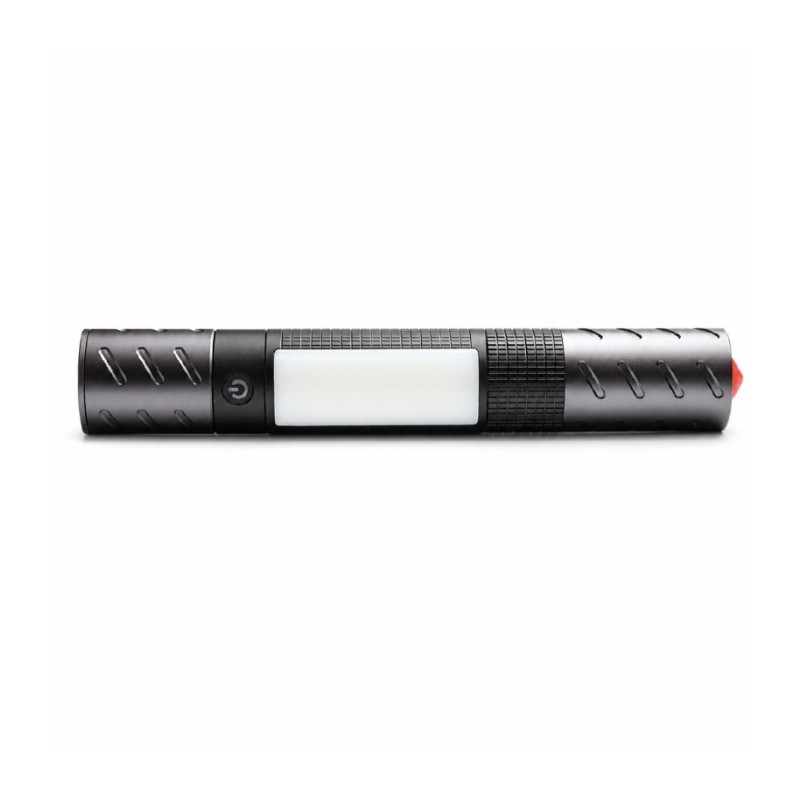
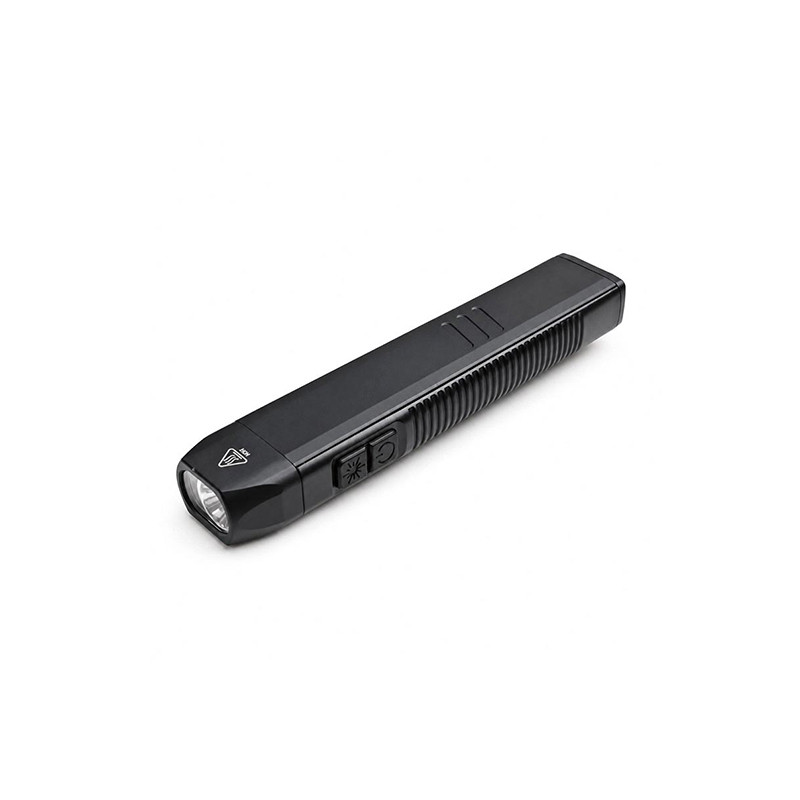
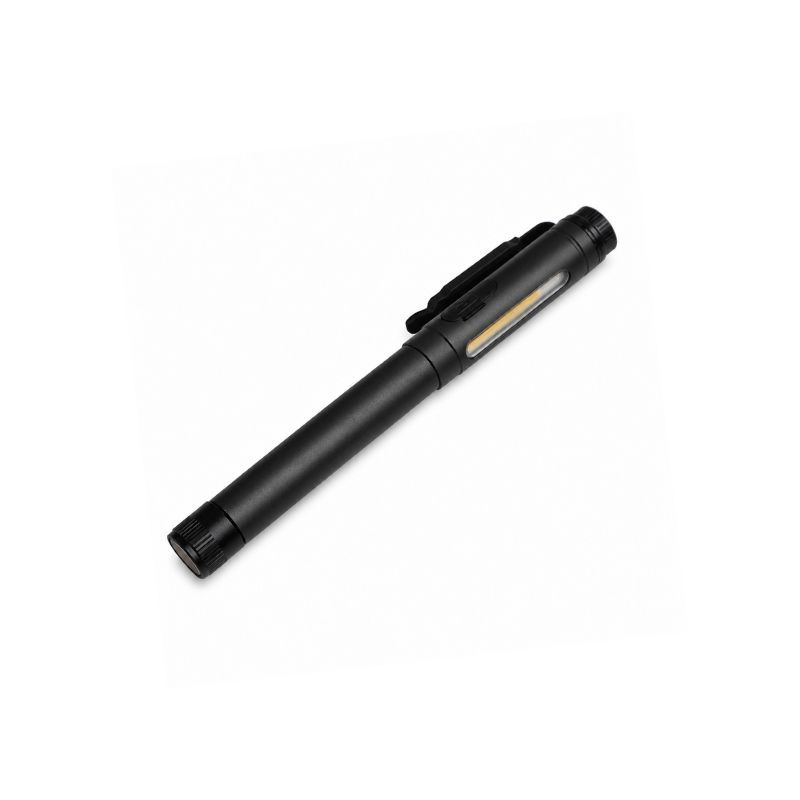
- Handheld Penlights: Small, portable, and perfect for quick spot-checks or inspecting tight, hard-to-reach areas. Ideal for mechanics, inspectors, and technicians.
- Foldable/Swivel Lights: These offer incredible flexibility, allowing the user to position the light head at almost any angle. Many come with magnetic bases and hooks, making them perfect for hands-free use under a car hood or attached to machinery.
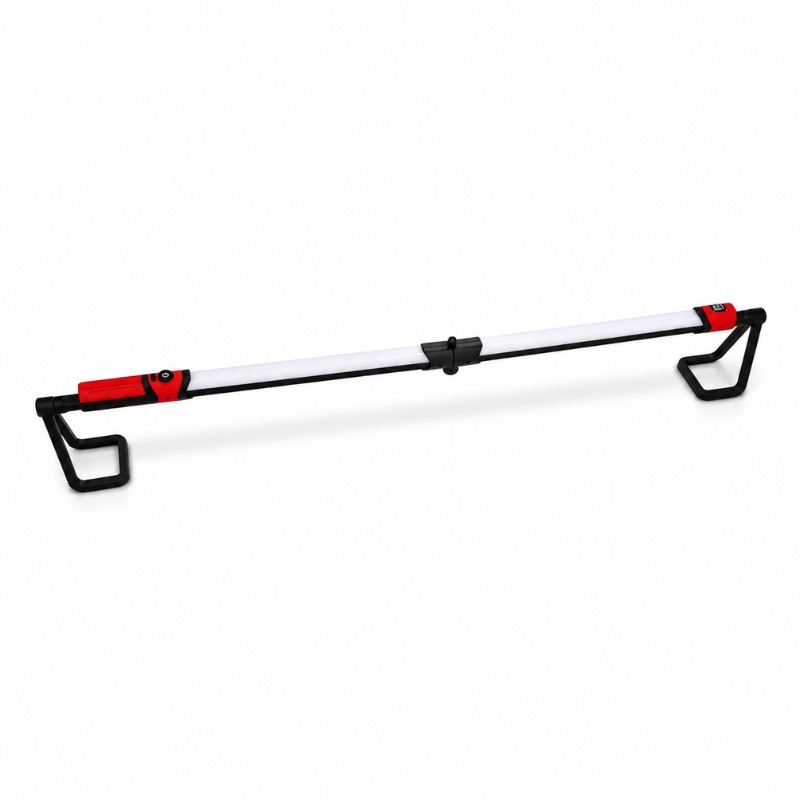
- Underhood Light Bars: These long, linear lights span the width of an engine bay, providing broad, even illumination for automotive work.
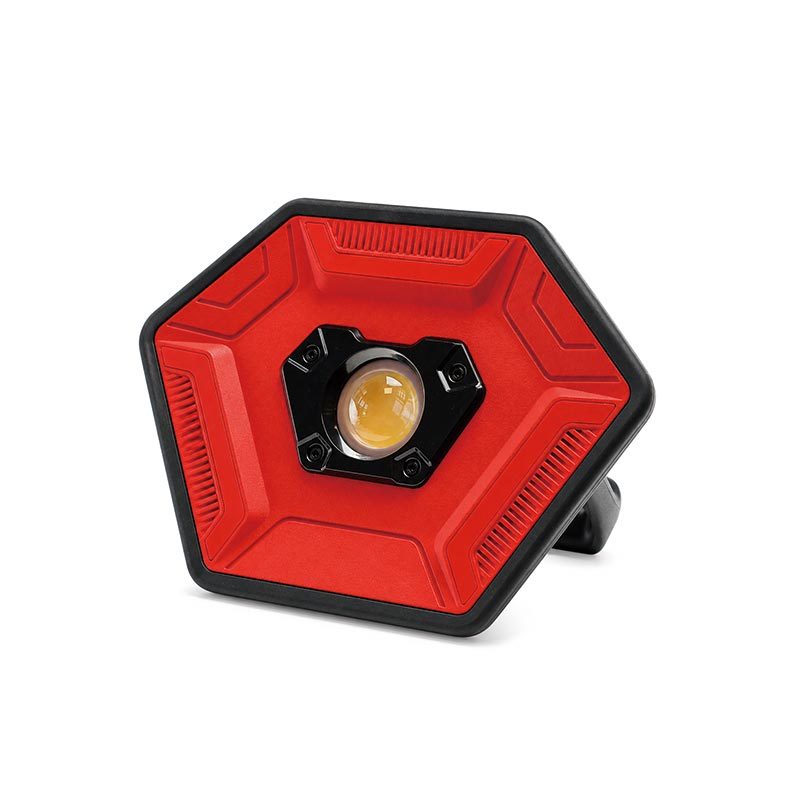
- Tripod-Mounted Flood Lights: For illuminating large areas like a construction site or an entire workshop bay, powerful lights on tripods are the best solution.
Pre-Purchase Due Diligence: Preparing a Comprehensive Test List and Acceptance Record for Sample Evaluation
Before placing a large order, conducting a thorough evaluation of samples is a critical due diligence step. Don't just "kick the tires." Create a formal test plan and acceptance record. This document should include:
- Checklist of Features: Verify that the sample includes all promised features (e.g., specific CRI, lumen output, battery type, accessories).
- Performance Tests: Measure runtime at various brightness levels. Use a light meter to check for CCT consistency. Drop-test the unit from a reasonable height to assess durability (if appropriate).
- Usability Assessment: Have end-users handle the light. Is it comfortable to hold? Are the buttons easy to operate with gloves on? Is the magnet strong enough?
- Acceptance Criteria: Define clear pass/fail criteria for each test point. This creates an objective record and a solid foundation for discussion with the supplier if issues are found.
Quantifying Performance: Establishing Objective Comparison Methods for Sample Inspection Lights
When comparing samples from different inspection light manufacturers, subjective impressions can be misleading. Use quantifiable metrics to make an informed decision.
| Metric | How to Test | Why It Matters |
|---|---|---|
| Luminous Efficacy (lm/W) | Divide the measured lumen output (from an integrating sphere) by the measured power consumption (in watts). | This is the true measure of efficiency. A higher lm/W ratio means more light for the energy consumed, leading to longer runtime. |
| Runtime to 70% Brightness | Fully charge the light, turn it to a medium or high setting, and use a light meter to time how long it takes to drop to 70% of its initial brightness. | Many lights dim significantly long before the battery is dead. This measures the useful runtime. |
| Charge Time | Time how long it takes to fully charge the battery from empty using the supplied charger. | Long charge times can decrease productivity if the light is needed for continuous shifts. |
| Magnetic Pull Force | Use a spring scale to measure the force required to pull the magnetic base off a flat steel surface. | A weak magnet is a safety hazard and a point of frustration. This quantifies its holding power. |
By using objective data, you can confidently defend your sourcing decisions and ensure you are selecting a product with superior performance, not just superior marketing.
7 Questions to Ask an Inspection Light Supplier Before Sampling
Engaging a potential oem inspection light supplier is a critical step that sets the tone for your entire partnership. Before you invest time and money into sample evaluation, asking a targeted set of questions can quickly filter out unsuitable candidates and identify those who are serious, capable, and aligned with your business needs. This proactive approach saves resources and focuses your efforts on the most promising inspection light manufacturers.
Clarifying Your Investment: MOQ, Warranty, and Certification Inquiries
These questions address the fundamental business and compliance aspects of a potential partnership. A supplier's inability to provide clear, confident answers here is a major red flag.
What is the Minimum Order Quantity (MOQ) for your OEM inspection lights?
Why it matters: The MOQ directly impacts your inventory investment and risk. A high MOQ from a china inspection light factory might offer a lower per-unit cost but can be prohibitive for new product launches or smaller businesses. You need a partner whose production scale aligns with your business model. A transparent supplier will state their MOQ clearly and may be willing to negotiate for an initial trial order.
What is the standard warranty period for your OEM products, and what does it cover?
Why it matters: A warranty is a direct reflection of a manufacturer's confidence in their product's quality and is a cornerstone of good inspection light quality assurance. Ask for specifics: Is it a one-year, two-year, or even five-year warranty? Does it cover parts and labor? What is the process for handling a claim? A vague or short warranty suggests the product may not be built to last.
Can you provide valid certification documents for my target markets (e.g., ETL, DLC, CE, TISI, SNI)?
Why it matters: This is a non-negotiable compliance question. Selling non-certified products is illegal and a massive liability. Ask for the actual certificate file numbers for the specific models you are interested in. As a follow-up, use online verification tools like the UL Product iQ or Intertek directory to confirm the certificates are active and apply to the correct manufacturer and product.. Hesitation to provide this information is a deal-breaker.
Unpacking Specifications: Performance, Customization, and Logistics
These questions dive deeper into the product's actual performance, the supplier's customization capabilities, and their operational reliability. The answers will help you understand if their technical and logistical abilities match their marketing claims.
What is the actual luminous efficacy (lumens per watt) and power factor of your inspection lights, backed by LM-79 reports?
Why it matters: This question separates the professionals from the amateurs. Anyone can claim a high lumen number. Luminous efficacy (lm/W) is the true measure of efficiency.. A high efficacy means longer battery life and less energy waste. Similarly, a high power factor indicates an efficient electrical design. A top-tier supplier will have LM-79 test reports readily available to back up their data..
Do you offer private label packaging and custom user manuals for OEM orders?
Why it matters: This question gauges the depth of their OEM services. A supplier who only offers to print your logo on a generic box is a private labeler, not a true OEM partner. A genuine partner will support bespoke packaging designs, branded user manuals, and other elements of your a custom inspection light program that create a unique market identity.
What is the lead time for sample production and full-scale OEM orders?
Why it matters: Time is money in a competitive market. You need clear, reliable timelines to plan your product launch and manage your supply chain. Ask for separate lead times for producing initial samples and for mass production runs after sample approval. A reliable partner will provide a realistic schedule and communicate proactively if any delays occur. Their answer demonstrates their production planning and operational transparency.
What is the visible difference between CRI 95 and CRI 90 for typical inspection tasks?
Why it matters: This question tests the supplier's technical expertise and honesty. While both are high CRI values, a CRI 95 light will render colors more faithfully, especially reds, which are notoriously difficult for LEDs. An expert supplier can articulate this difference, perhaps explaining that for automotive paint matching or fine art restoration, the nuance of CRI 95 is critical, whereas for general mechanical inspection, CRI 90 may be sufficient.. Their ability to explain the practical application of their specs shows they understand their product beyond the numbers.
China Inspection Light Factory vs Regional Supplier: Cost, Lead Time, and Risk
One of the most significant strategic decisions for an OEM buyer is where to source their products. The choice between a china inspection light factory and a regional or domestic supplier involves a complex trade-off between cost, speed, and risk. A thorough analysis of these factors is essential to build a resilient and profitable supply chain.
Deconstructing the Cost Structure of a China Inspection Light Factory
Sourcing directly from a china inspection light factory can offer significant cost advantages, but the sticker price is only part of the story. Understanding the full cost structure is key to an accurate total cost of ownership (TCO) calculation.

Understanding the Components: Molds, Drivers, Battery Cells, and Packaging Costs
The unit cost of an oem inspection light is a sum of its parts, labor, and overhead. Key cost drivers include:
- Molds: For a truly custom design, there will be an initial investment in injection molding tools, which can be substantial. For existing designs, this cost is amortized across all units.
- LEDs and Drivers: The quality of the LED chips (determining CRI and efficacy) and the electronic driver (determining efficiency and reliability) are major cost factors. Top-tier components from reputable brands cost more.
- Battery Cells: For rechargeable lights, the battery is a critical component for both performance and safety. High-capacity, reliable cells from recognized manufacturers are more expensive than generic cells.
- Housing and Materials: The choice of materials (e.g., aircraft-grade aluminum vs. standard plastic) and the complexity of the housing design affect the cost.
- Packaging: Custom-designed, multi-color retail packaging is more expensive than a plain brown box.
A transparent factory will be able to provide a general breakdown of these costs, helping you understand where your money is going.
Navigating Logistics: The Impact of Sea Freight and Import Duties on Total Cost of Ownership
The factory price (EXW or FOB) is not the final landed cost. OEM buyers must account for several additional expenses:
- Freight: Sea freight is the most common method for large orders from China and is significantly cheaper than air freight, but it is also much slower. Freight rates can be volatile, impacting your final cost.
- Import Duties/Tariffs: The United States and other countries impose tariffs on goods imported from China. These tariffs are a percentage of the goods' value and must be factored into your TCO.
- Customs and Brokerage Fees: You will need a customs broker to clear your goods, and their fees add to the overall cost.
- Inland Transportation: Once the goods clear customs at the port, you must pay for them to be transported to your warehouse.
Failing to accurately budget for these logistics costs can erode the initial cost savings from sourcing overseas.
A Strategic Comparison: OEM Factories, Trading Companies, and Regional Brands
Your choice of supplier type will have a significant impact on your business operations. Each has distinct advantages and disadvantages.
Evaluating Price Competitiveness Across Different Supplier Tiers
| Supplier Type | Price Level | Reason |
|---|---|---|
| Direct OEM Factory | Lowest | No middlemen. Direct access to production costs and economies of scale. |
| Trading Company | Medium | Adds a margin for their services (sourcing, communication, QC) but can sometimes secure good pricing due to volume and relationships. |
| Regional/Domestic Brand | Highest | Price includes the brand's R&D, marketing, overhead, domestic warehousing, and profit margin. |
Assessing Lead Times for Both Prototyping and Mass Production
| Supplier Type | Prototyping Lead Time | Mass Production Lead Time | Communication |
|---|---|---|---|
| Direct OEM Factory | Medium-Long | Long (plus shipping) | Can be challenging due to language/time zone differences. |
| Trading Company | Medium | Long (plus shipping) | Often easier, as they have staff dedicated to English communication. |
| Regional/Domestic Brand | Shortest | Shortest | Instant communication within the same time zone and language. |
Analyzing Customization Depth and Flexibility for Branding and Technical Specifications
- Direct OEM Factory: Offers the deepest level of customization, from internal electronics to housing design and materials. Ideal for a truly unique product. They often have strong inspection light manufacturing capabilities.
- Trading Company: Customization is usually limited to what their partner factories offer. They act as an intermediary, which can sometimes slow down complex customization requests.
- Regional/Domestic Brand: Customization is typically very limited or non-existent, as you are buying a finished, branded product.
Mitigating After-Sales Risks: Warranty, Support, and Long-Term Partnership Considerations
- Direct OEM Factory: Enforcing a warranty can be challenging across continents. Returns are costly and time-consuming. Building a strong, long-term relationship based on trust is key to mitigating this risk.
- Trading Company: A good trading company will assist with warranty claims and act as your advocate with the factory, which can be a valuable service.
- Regional/Domestic Brand: Offers the easiest warranty and support process. You are dealing with a local entity that is legally bound by domestic consumer protection laws. This lower risk is a significant part of their value proposition.
Ultimately, the right choice depends on your priorities. If lowest cost and deep customization are paramount, a direct factory relationship is often best. If speed to market, low risk, and ease of communication are more important, a regional supplier may be worth the higher price.
Why OWLAMP Is Shortlisted by Industrial Inspection Light Buyers
In a crowded market, certain led inspection lights manufacturers distinguish themselves not just through product specifications, but through a demonstrable commitment to quality, transparency, and partnership. OWLAMP has emerged as a preferred inspection light supplier for discerning industrial and automotive OEM buyers. Their approach aligns perfectly with the rigorous evaluation criteria that professional procurement managers use, making them a benchmark for what a top-tier OEM partner should be.
The Hallmark of Quality: What Makes OEM LED Inspection Lights Manufacturers Stand Out
True quality is proven through transparency and long-term reliability. Any factory can claim high performance, but elite suppliers provide the evidence to back it up and stand behind their products for the long haul.
Commitment to Transparency: Providing LM-79 Test Reports and Clearly Displaying Certification Marks
OWLAMP operates on a principle of verified performance. They proactively provide comprehensive LM-79 test reports for their products, allowing buyers to see the raw data on lumen output, efficacy, CRI, and CCT. This level of transparency removes guesswork and builds immediate trust. Furthermore, all their products feature clear, legitimate certification marks (ETL, CE, etc.), and they are prepared to share the certificate files for independent verification. This commitment to provable quality is a key part of their inspection light quality assurance process.
Reliability Metrics: Offering a Minimum 5-Year Warranty as a Testament to Product Durability
A long warranty is one of the strongest indicators of product quality. OWLAMP offers a minimum 5-year warranty on their professional-grade inspection lights. This is not just a marketing promise; it's a financial commitment that speaks volumes about their confidence in their engineering, component selection, and inspection light manufacturing capabilities. For an OEM buyer, this robust warranty minimizes post-sale risk and provides a powerful selling point for the end customer.
Strategic Advantages for Buyers: Customization, Trust, and Global Reach
Beyond the product itself, OWLAMP provides strategic advantages that make them a valuable long-term partner for OEM businesses. They understand that their success is tied to the success of their clients.
Tailored Solutions: Meeting Specific Business Contexts, Target Markets, and Budget Constraints
OWLAMP excels at developing tailored solutions through their custom inspection light program. They don't offer a one-size-fits-all catalog. Instead, their team works closely with OEM buyers to understand their unique needs, including:
- Target Market Requirements: Adapting certifications and features for specific geographic regions.
- Business Context: Developing product tiers that align with the buyer's brand positioning (e.g., premium, trade-focused).
- Budget Constraints: Engineering solutions that meet performance targets while staying within an agreed-upon cost structure.
Building Confidence: Emphasizing Verified Certifications Over Sheer Power Output
While some manufacturers focus on winning with headline-grabbing (and often misleading) lumen numbers, OWLAMP builds confidence by prioritizing what truly matters: verified safety and performance. They educate their clients on the importance of legitimate ETL or UL certifications over meaningless wattage figures or inflated brightness claims. This focus on safety and reliability ensures the final product is compliant, safe, and trustworthy, protecting the OEM buyer's brand reputation.
Smart Sourcing: The Power of Samples for Independent Testing on Orders Exceeding $5000
OWLAMP encourages and facilitates independent verification. For any substantial OEM order (e.g., exceeding $5000), they advocate for the buyer to obtain samples for their own third-party testing. This policy demonstrates ultimate confidence in their products. It empowers the buyer to confirm that the industrial inspection lighting not only meets the provided specifications but also holds up to impartial, rigorous evaluation before committing to a large-scale production run. This collaborative, trust-based approach is why they are consistently shortlisted by top industrial buyers.
Frequently Asked Questions (FAQ)
1. What is the most important specification to look for in an LED inspection light for automotive paint correction?
The single most important specification is a high Color Rendering Index (CRI), specifically 95 or higher. While color temperature (5000K-6500K) and brightness are also crucial, a high CRI ensures the light accurately reveals the true color of the paint, which is essential for perfect color matching and identifying subtle defects like swirls and haze that lower-quality light can hide..
2. How can I be sure a manufacturer's UL or ETL certification is real?
You should always verify certifications independently. Ask the manufacturer for the certification file number (e.g., an "E" followed by digits for UL, or a control number for ETL).. Then, go to the official online database for the respective testing lab—the UL Product iQ database for UL marks, and the Intertek Certified Product Directory for ETL marks.. If the file number isn't found or the product details don't match, it's a major red flag.
3. Is it always cheaper to source directly from a China inspection light factory?
While the per-unit factory price is often lower, it is not the total cost. You must calculate the Total Cost of Ownership (TCO), which includes shipping, tariffs/import duties, customs brokerage fees, and inland transport. Furthermore, you must consider the "soft costs" of longer lead times, potential communication challenges, and the increased risk and difficulty of managing quality control and warranty claims from overseas. For some businesses, the speed, lower risk, and support from a regional supplier can be more valuable than the lower unit cost from a direct factory.
4. What do LM-79 and LM-80 reports tell me, and why should I ask for them?
These are standardized test reports from the Illuminating Engineering Society (IES) that validate a product's performance.
- LM-79 tests the entire, fully assembled light fixture. It provides verified data on its total lumen output, energy efficiency (lumens per watt), CRI, and color temperature..
- LM-80 tests the LED chip or module itself to determine its lumen maintenance over thousands of hours, which helps predict its long-term reliability.. Asking for these reports is how you move beyond marketing claims and verify that a product will perform as promised. Reputable manufacturers will have them readily available.
5. What's a reasonable MOQ to expect for an OEM inspection light order?
Minimum Order Quantities (MOQs) vary widely depending on the manufacturer and the level of customization. For an existing product with simple private labeling (your logo), MOQs can range from 100 to 500 units. For a fully custom product requiring new molds and engineering, the MOQ could be several thousand units to justify the setup costs. It's essential to find a partner whose MOQ aligns with your sales projections and cash flow.
Conclusion
As diligent buyers, we understand that selecting the optimal led inspection lights manufacturers for our industrial needs requires a methodical approach. It is an exercise in balancing performance, cost, and reliability. The process must go beyond comparing spec sheets and instead focus on verifiable data, robust quality assurance processes, and the strength of the supplier partnership. By prioritizing independently verified metrics like high CRI, validated IP/IK ratings, and legitimate safety certifications, we can cut through the noise and identify partners who are genuinely committed to excellence.
Our journey to find the perfect inspection light supplier is an investment in our operational efficiency and the quality of our final product. The right light doesn't just illuminate; it ensures accuracy, enhances safety, and improves productivity. We encourage you to use the structured evaluation criteria and pointed questions discussed in this guide as a scorecard in your own sourcing process. By doing so, you can build a resilient supply chain and forge partnerships that deliver lasting value.