Top 10 LED Headlamp Manufacturers in the World (2026)
Welcome to our comprehensive guide as we explore the dynamic world of LED headlamps. As enthusiasts and professionals, we're constantly on the lookout for the best LED headlamp manufacturer to illuminate our path, whether for work or adventure. This year, the evolution of LED technology has brought forth an array of powerful and efficient lighting solutions including advanced professional automotive work lights and rugged industrial headlamp solutions.
Finding the right headlamp can significantly enhance safety, productivity, and enjoyment across various activities. Join us as we shine a light on the top headlamp brands dominating the market in 2026, helping you make an informed decision grounded in performance and reliability.
Key Takeaways
- Understanding the Market: The LED headlamp industry is complex, comprising brand owners who market products, Original Equipment Manufacturers (OEMs) who build to a client's specifications, and Original Design Manufacturers (ODMs) who design and produce models for others to brand.
- Critical Selection Criteria: When choosing a manufacturer, key factors include lumen output, battery performance, safety certifications (like CE, RoHS, and IP ratings), OEM/ODM customization capabilities, supply chain reliability, and the quality of warranty and customer support.
- Top Industry Players: The 2026 market is led by a mix of established giants like OSRAM, HELLA, and Philips, known for automotive excellence, and specialized innovators like OWLAMP, which focuses on rechargeable and custom OEM solutions for professional use.
- Customization is Key: For businesses, the ability to customize headlamps is paramount. Top manufacturers offer extensive OEM/ODM services, allowing clients to specify everything from brightness and beam patterns to branding and battery types.
- Headlamp vs. Flashlight: Headlamps offer the crucial advantage of hands-free operation, making them ideal for tasks requiring both hands, such as automotive repair, construction, or climbing. Flashlights provide powerful, focused beams perfect for inspections or tactical use.
- Certifications and Lead Times: Always verify essential quality certifications to ensure safety and performance. When placing bulk or custom orders, expect lead times ranging from a few weeks to several months, depending on the complexity of your request.
What Is a LED Headlamp Manufacturer? Understanding the Best LED Headlamp Manufacturer Brands
In the ever-evolving world of LED lighting, the term "manufacturer" encompasses a wide spectrum of roles and responsibilities. Understanding these distinctions is crucial for anyone looking to source, brand, or create high-quality LED headlamps. It’s not simply about assembling parts; it’s a complex process involving deep expertise, varied business models, and a commitment to innovation.
Defining the Role of a Lighting Specialist
A true LED headlamp manufacturer is, at its core, a lighting specialist. This goes far beyond simple production. These firms are deeply involved in research and development, constantly pushing the boundaries of what's possible with LED technology. Their expertise integrates multiple disciplines:
- Optical Engineering: Designing lenses and reflectors to shape the perfect beam—whether a wide flood for area illumination or a narrow, long-distance spot.
- Thermal Management: LEDs generate heat, and managing this is critical for ensuring a long lifespan and consistent lumen output. Specialists engineer sophisticated heat sinks and housing to dissipate heat effectively.
- Electrical Engineering: Creating stable driver circuits that power the LED, control brightness modes, and optimize battery performance.
- Material Science: Selecting the right materials—like aircraft-grade aluminum or impact-resistant polymers—to ensure durability, water resistance, and user comfort.
A lighting specialist or designer uses this deep technical knowledge to create products that are not just bright, but also functional, reliable, and safe for specific environments.
Distinguishing Brand Owners, ODMs, and OEMs in the Industry
The terms OEM, ODM, and brand owner describe the different relationships between product design, manufacturing, and branding. Understanding them is key to navigating the industry.
OEM (Original Equipment Manufacturer): An OEM builds products according to another company's exact designs and specifications. In this model, the client (a brand owner) provides the detailed product design, and the OEM acts as the manufacturing partner to bring that vision to life. The intellectual property (IP) and design belong to the client. This is ideal for established brands that have their own R&D and design teams but want to outsource production.
ODM (Original Design Manufacturer): An ODM designs and manufactures products which are then sold to other companies to rebrand. The ODM owns the core design and tooling. A client can choose a product from the ODM's catalog and request modifications, such as branding, color, or packaging. This model allows new companies to enter the market quickly with a proven design and lower initial investment, as they don't have to fund R&D from scratch. Many companies start with an ODM model and later transition to OEM as their brand grows.
Brand Owner: This is the company whose name appears on the final product. A brand owner might have its products made by an OEM (using its own designs) or an ODM (rebranding an existing design). Some brand owners, known as Original Brand Manufacturers (OBM), handle their own design, manufacturing, and sales entirely in-house.
For businesses seeking specialized lighting, partnering with a manufacturer that offers a comprehensive custom headlamp OEM lineup provides the greatest control over the final product, ensuring it meets unique performance and branding requirements.
How We Ranked the Top Headlamp Brands: Our 6 Selection Criteria
Selecting the top LED headlamp manufacturers is not a decision we take lightly. To provide a credible and authoritative ranking, we established a rigorous set of six criteria. These standards ensure that our recommendations are based on measurable performance, safety, and business reliability, empowering you to make a truly informed choice.
Lumen Output and Beam Distance for Optimal Visibility
The most fundamental attribute of a headlamp is how well it illuminates the dark. We assess this in two ways:
- Lumen Output: This measures the total amount of light a headlamp emits. A higher lumen count generally means a brighter light. For simple tasks like reading in a tent, 150-250 lumens may suffice. However, for navigating a challenging trail or for professional use where hazard identification is critical, headlamps with 300 to 1000+ lumens are necessary.
- Beam Distance: While lumens measure brightness at the source, beam distance tells you how far that light effectively travels. A well-engineered optical system can project light much farther, even with a moderate lumen count. This is crucial for high-speed activities or scanning terrain in the distance. We prioritize manufacturers who balance high lumen output with exceptional beam engineering.
Battery Life and Rechargeability for Extended Use
A powerful headlamp is useless if its battery dies quickly. Our evaluation focuses on:
- Run Time: We examine how long a headlamp can operate at various brightness settings. Top manufacturers provide clear data on run times for high, medium, and low modes.
- Power Source: The trend is strongly toward rechargeable lithium-ion batteries, which are more environmentally friendly and cost-effective over time. The ability to charge via USB-C is a significant advantage. We also value "dual-fuel" models that can run on standard disposable batteries in a pinch, offering versatility for extended trips.
- Regulated Output: Premium headlamps offer regulated output, providing consistent brightness throughout the battery's life rather than gradually dimming as power drains.
Crucial Certifications (e.g., CE, RoHS) Ensuring Safety and Quality
Certifications are non-negotiable indicators of a manufacturer's commitment to safety, quality, and environmental responsibility. Key certifications we look for include:
- CE (Conformité Européenne): A mandatory mark for products sold in the European Economic Area, indicating compliance with EU safety, health, and environmental standards.
- RoHS (Restriction of Hazardous Substances): This EU directive restricts the use of specific hazardous materials like lead and mercury, ensuring the product is safer for consumers and the environment.
- IP Rating (Ingress Protection): This two-digit code rates a device's resistance to solids (first digit) and liquids (second digit). A rating like IPX4 signifies resistance to water splashes, while IP67 indicates the device is dust-tight and can be submerged in water.
OEM Capability for Custom Solutions
For many businesses, a standard off-the-shelf product isn't enough. We rate manufacturers on their ability to act as true partners by offering robust OEM/ODM services. This includes:
- Engineering Flexibility: The ability to modify existing designs or create entirely new products based on a client's specifications.
- Customization Scope: The range of customizable features, such as lumen output, beam type, battery configuration, material choices, and branding.
- Prototyping and Support: A commitment to creating prototypes for testing and providing strong engineering support throughout the development process. Exceptional manufacturers are transparent about their customization options and MOQ (Minimum Order Quantity).
Reliable Delivery and Supply Chain Efficiency
A great product means nothing if it can't be delivered on time and consistently. A manufacturer's supply chain is a critical asset. We evaluate:
- Process Consistency: Whether the manufacturer has standardized and clear workflows across sourcing, production, and shipping.
- Lead Times: Transparent and realistic timelines for both standard and custom orders.
- Resilience: The ability to manage logistics and navigate potential disruptions to ensure a steady supply of products. An efficient supply chain minimizes delays and ensures that businesses can rely on their manufacturing partner.
Comprehensive Warranty and Customer Support
A strong warranty and accessible support demonstrate a manufacturer's confidence in its products. A 3-5 year warranty is becoming the standard for high-quality LED products. We look for:
- Clear Warranty Terms: A straightforward warranty that covers manufacturing defects for a reasonable period.
- Responsive Customer Support: The availability of a knowledgeable technical support team to assist with troubleshooting, repairs, or replacements.
- After-Sales Service: Long-term support, including the availability of spare parts, which extends the usable life of the product and protects the customer's investment.
The Top 10 LED Headlamp Manufacturer Brands Shaping the 2026 Market
The global market for LED headlamps is diverse, featuring titans of the automotive industry alongside agile, specialized manufacturers. Our 2026 ranking reflects this dynamic landscape, highlighting companies that excel in innovation, quality, and reliability across different sectors.
1. OSRAM: A Global Powerhouse in LED Applications
A subsidiary of ams-OSRAM, OSRAM is a German institution and a world leader in optical solutions. For over a century, the company has been at the forefront of lighting technology. In the LED headlamp market, OSRAM is synonymous with exceptional quality, performance, and innovation, particularly in the automotive sector. They offer a vast portfolio ranging from individual LED chips to complete headlight modules used by leading car manufacturers. Their NIGHT BREAKER series is a consumer favorite for aftermarket upgrades, praised for delivering significantly brighter, whiter light for improved visibility and safety. OSRAM's commitment to stringent quality standards means their products are known for reliability and a long service life.

2. HELLA: Renowned for Robust and Innovative Lighting Solutions
Part of the FORVIA group, HELLA is another German giant with a deep heritage in automotive electronics and lighting. The company is a key OEM supplier, developing cutting-edge headlamp systems for major vehicle brands worldwide. HELLA has been a pioneer in adaptive lighting technologies like dynamic cornering lights and high-resolution matrix LED systems (SSL | HD), which can intelligently shape the light beam to avoid dazzling other drivers while maximizing illumination. Their focus is increasingly on creating "phygital" (physical and digital) shields and highly integrated front modules that combine lighting, sensors, and design into a single element for the next generation of electric and autonomous vehicles.

3. Philips: Trusted for Stable Performance and Advanced Optics
Philips, a name trusted in households worldwide, also holds a powerful position in the automotive lighting market. Known for their high standards in quality control and advanced optical design, Philips headlamps are engineered to produce a sharp, legal beam pattern with a precise cut-off, ensuring they illuminate the road effectively without glaring at oncoming traffic. They offer a wide range of products, from halogen bulb replacements to advanced LED integral beam headlamps. In the consumer space, Philips also manufactures high-performance rechargeable headlamps, like the SFL3255, which boasts up to 1500 lumens, a durable aluminum body, and multiple lighting modes for various outdoor and professional tasks.
4. Stanley Electric: Pioneering LED Headlamp Technology and Electronics
Stanley Electric is a Japanese manufacturer with a rich history of innovation in automotive lighting and electronics. As a key supplier to major Japanese automakers like Honda and Nissan, Stanley Electric has a reputation for exceptional quality and forward-thinking design. The company developed the world's first LED high-mount stop lamp and continues to push the boundaries of headlamp technology with its direct projection LED systems and unique optical designs. Their strength lies in bridging the gap between imaginative design concepts and high-quality mass production, creating stylish yet highly functional lighting that defines a vehicle's character.
5. Koito Manufacturing: Leading the Way in Advanced LED Lighting Systems
Koito Manufacturing, another Japanese powerhouse, holds a commanding 20% of the global automotive headlamp market. Since its establishment in 1915, Koito has been a relentless innovator. They commercialized the world's first LED headlamp in 2007 and have continued to lead with groundbreaking technologies like the Adaptive Driving Beam (ADB), which automatically adjusts the high beam. Their latest innovation, the BladeScan™ ADB, uses light reflected off fast-revolving blade mirrors to provide high-resolution light distribution that can detect pedestrians earlier, significantly enhancing safety. Koito's commitment to "Lighting for Your Safety" makes them a top choice for automakers focused on advanced driver-assistance systems (ADAS).
6. leding: Innovative Performance and Value in LED Headlamp Modding
While the giants focus on OEM supply, the "Leding" or modding scene represents a vibrant and innovative segment of the market focused on aftermarket customization. This niche includes brands and communities dedicated to providing powerful and stylish LED conversion kits for enthusiasts looking to upgrade their stock headlights. These kits often feature high-intensity LED chips, advanced cooling systems, and projector lenses to deliver brightness and beam patterns that can surpass factory specifications. Enthusiasts often turn to these solutions for a unique look and superior night-driving performance, sharing their results and installation tips in online forums and videos. While not a single manufacturer, the collective "leding" community is a significant force driving performance and aesthetic trends in the aftermarket.
7. AES: Strong Performance and Adaptation for Diverse Lighting Needs
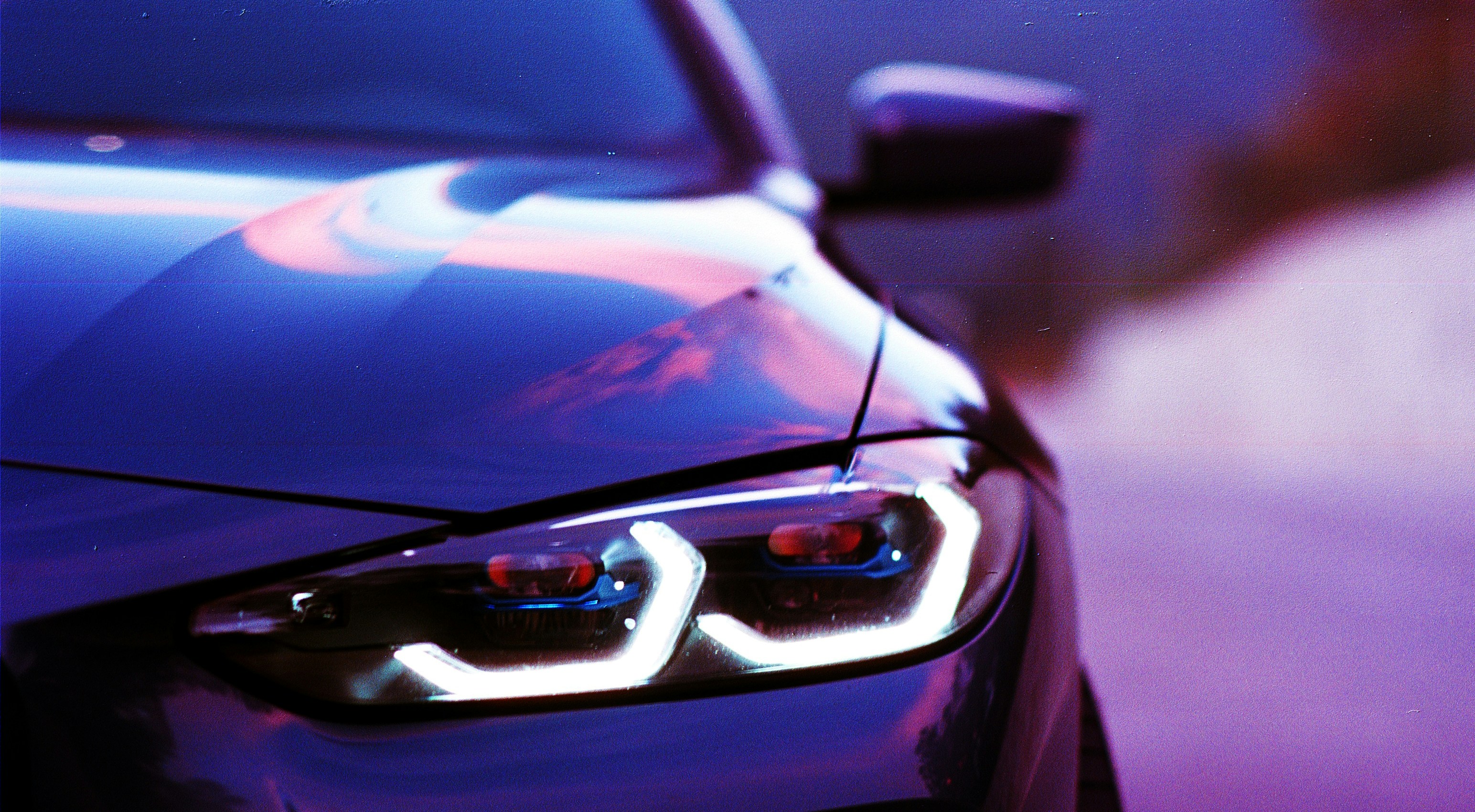
AES (Automotive Equipment and Services) has carved out a strong reputation in the aftermarket, particularly for its high-performance Bi-LED and Laser projector lenses. AES projectors are popular among car enthusiasts for retrofitting projects, offering a significant upgrade in brightness, a sharp cut-off line to prevent glare, and a wide beam spread. Their product line is diverse, featuring models with integrated DRLs (Daytime Running Lights), multi-laser modules for an incredibly intense high beam, and various lens coatings (like blue-tinted lenses) for a distinct aesthetic. AES demonstrates strong adaptability by creating universal-fit projectors that can be installed in a wide range of vehicles, making advanced lighting technology accessible to a broader audience.
8. Shenzhen Aurora: A Certified OEM/ODM for High-Volume LED Headlamp Production
Shenzhen Aurora Technology is a prime example of a modern, vertically integrated manufacturer specializing in high-performance LED lighting. With a massive 35,000-square-meter facility, Aurora operates as a key OEM/ODM partner for brands worldwide, producing everything from off-road light bars to automotive headlight bulbs. Their strength lies in their rigorous quality control, backed by IATF 16949 and ISO 9001 certifications, and their extensive R&D, which has resulted in over 200 patents. Aurora offers comprehensive customization and serves as an official OEM supplier to several automotive companies, showcasing their ability to meet the stringent demands of the industry with reliable, high-volume production.
9. Hankook: A Comprehensive Provider of Advanced LED Lighting Solutions
While globally recognized for its tires, Hankook & Company is a diversified technology group with significant interests in the future of mobility. Through its affiliates and strategic investments, including in companies like Hanon Systems (a leader in thermal management) and Preciseley Microtechnology (an expert in optical MEMS for LiDAR and lighting), Hankook is deeply involved in creating advanced automotive solutions. Their R&D hub, the Hankook Technodome, is a center for developing future mobility technologies. While not a direct-to-consumer headlamp brand, Hankook's role as a high-tech component and systems provider to the automotive industry places them as an influential force shaping the next generation of integrated vehicle lighting.

10. OWLAMP: The Rechargeable & OEM Headlamp Specialist
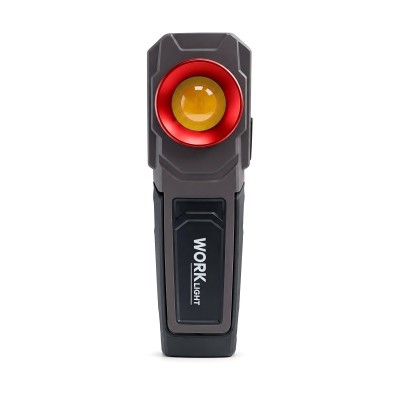
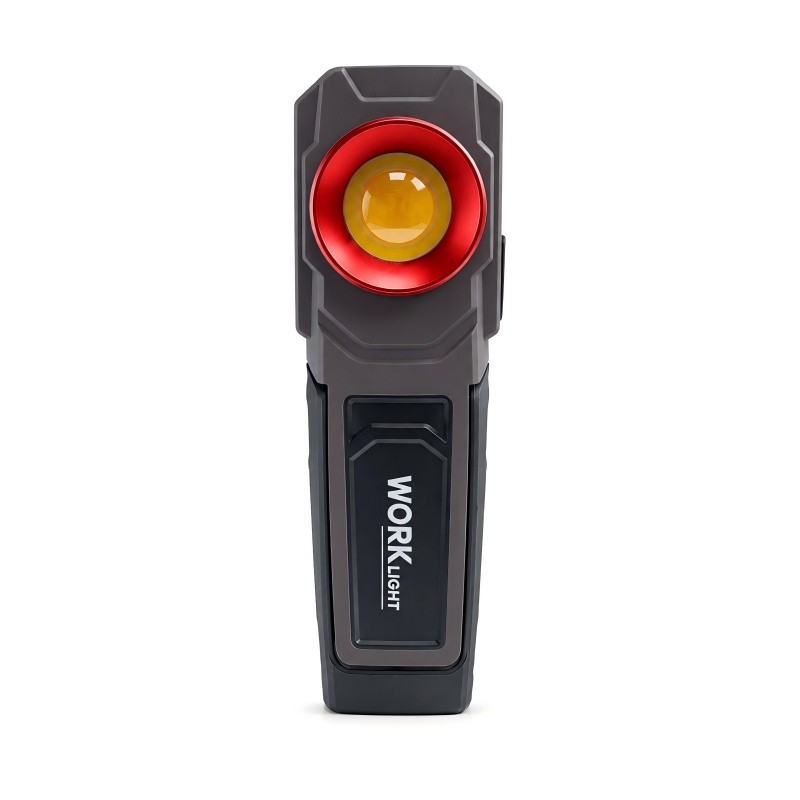
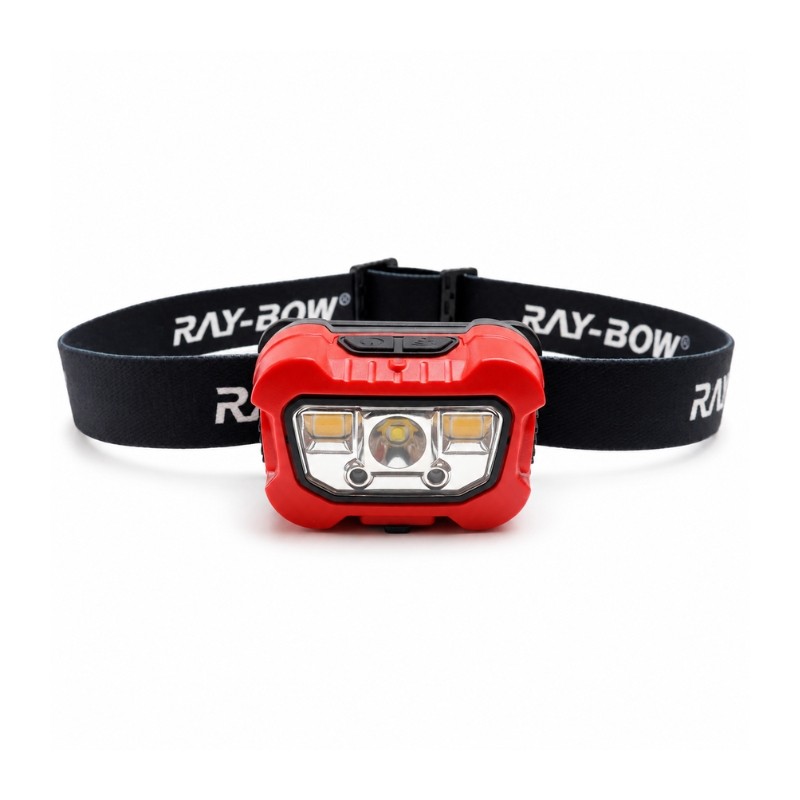
OWLAMP stands out by specializing in high-quality rechargeable headlamps and professional-grade work lights, with a strong focus on OEM/ODM partnerships. They have positioned themselves as the go-to manufacturer for businesses needing reliable, hands-free lighting solutions tailored to specific industrial or commercial applications. OWLAMP's expertise lies in creating durable, ergonomic headlamps designed for extended use in demanding environments. They offer a highly streamlined DFM (Design for Manufacturability) review process and work closely with clients to develop custom lighting solutions, making them a top choice for those seeking a specialized and dependable manufacturing partner.
Comparison Table: Key Specs & MOQ for the Best LED Headlamp Manufacturer Options
Choosing the right manufacturer often comes down to comparing the technical specifications and business terms that matter most to you. Whether you are an individual seeking the best performance or a business evaluating partners, this table provides a snapshot of what some of the leading brands offer. For businesses, understanding the customization options and MOQ is a critical first step in establishing a partnership.
| Feature | OSRAM | Philips | HELLA | Koito | OWLAMP |
|---|---|---|---|---|---|
| Primary Market | Automotive OEM & Aftermarket | Automotive, Consumer & Professional | Automotive OEM | Automotive OEM | Professional, Industrial & OEM |
| Popular Model/Series | NIGHT BREAKER LED | Ultinon/Luxeon LED | SSL | HD Matrix | BladeScan™ ADB |
| Typical Lumens | 2000-4000 (Bulb) | 1500-4000 (Bulb/Unit) | System-dependent (High-Res) | System-dependent (High-Res) | 500-2000 (Unit) |
| Battery/Power | Vehicle Power (12/24V) | Vehicle Power & Rechargeable Li-ion | Vehicle Power (12/24V) | Vehicle Power (12/24V) | Rechargeable Li-ion (USB-C) |
| Key Certifications | ECE, DOT/SAE | ECE, DOT/SAE, IP-Rated | IATF 16949, ECE, SAE | IATF 16949, ECE, SAE | CE, RoHS, IP65/67, IK07 |
| Core Strength | Brightness & Aftermarket Availability | Beam Precision & Brand Trust | Advanced Adaptive Systems | Innovation & Market Leadership | Durability & OEM Customization |
| Typical MOQ | N/A (Retail/Distributor) | N/A (Retail/Distributor) | High (OEM Contracts) | High (OEM Contracts) | Low to Medium (Flexible for OEM) |
OWLAMP Spotlight: Rechargeable Headlamps Built for Hands-Free Work
While many global brands focus on the vast automotive market, OWLAMP has carved out a distinct and vital niche: creating purpose-built rechargeable headlamps for professionals who depend on reliable, hands-free lighting to do their jobs safely and efficiently. Their entire design philosophy is centered on the needs of the modern worker, from mechanics and electricians to construction crews and industrial technicians.
Engineered for Durability and Comfort
Workplace environments are unforgiving. That's why OWLAMP headlamps are engineered with rugged materials designed to withstand drops, impacts, and exposure to dust and water, often carrying high IK (impact resistance) and IP (ingress protection) ratings. But durability isn't their only focus. Comfort is paramount for a device worn for hours at a time. OWLAMP products feature ergonomic designs, adjustable non-slip headbands, and a balanced weight distribution to minimize fatigue and ensure the headlamp stays securely in place, even during vigorous activity.
Optimal Brightness and Beam Flexibility
OWLAMP understands that professional work requires versatile lighting. Their headlamps provide a range of brightness settings, from low-lumen modes for conserving battery during close-up tasks to powerful high-lumen outputs for illuminating entire work areas. Many models feature both a wide flood beam for broad, even lighting and a focused spot beam for long-distance inspection. This flexibility, combined with long-lasting rechargeable batteries, ensures that professionals have the right light for every situation without interruption.
Customization and OEM Solutions for Businesses
This is where OWLAMP truly shines as a manufacturing partner. They offer an extensive custom headlamp OEM lineup, allowing businesses to develop lighting solutions perfectly tailored to their needs. Their OEM process is collaborative and efficient, covering everything from:
- Performance Specifications: Adjusting lumen output, beam patterns, color temperature, and battery capacity.
- Functional Features: Incorporating motion sensors for hands-free activation, magnetic bases for mounting, or specific lighting modes.
- Branding and Design: Customizing the housing color, adding company logos, and creating branded packaging.
By focusing exclusively on this professional and industrial space, OWLAMP delivers specialized solutions that larger, more generalized brands often overlook.
Headlamp vs. Flashlight: When to Choose Which for Your Lighting Needs
The choice between a headlamp and a flashlight isn't about which is better, but which is the right tool for the job. Both offer illumination, but their form factors create distinct advantages and disadvantages depending on the scenario.
Headlamp: The Hands-Free Champion
The single greatest advantage of a headlamp is its hands-free operation. Because it's worn on the head, it frees up both of your hands for the task at hand. The light beam also naturally follows your line of sight, which is incredibly intuitive.
When to Choose a Headlamp:
- Complex Tasks: Activities like performing automotive repairs, setting up a tent, cooking at a campsite, or sorting through gear are much easier when both hands are free.
- Active Pursuits: For running, hiking, climbing, or cycling at night, a headlamp provides consistent, stable illumination of the path ahead without requiring you to hold anything.
- Emergency Situations: During a power outage or a roadside repair, a headlamp allows you to navigate and work safely while keeping your hands available for tools or to assist others.
Potential Downsides:
- You can inadvertently shine the light in someone's eyes when turning to speak to them.
- The beam is fixed to your head's position; you can't easily illuminate an area to your side without turning your whole head.
Flashlight: The Master of Control and Power
A flashlight offers superior control and, often, more power. Because it's handheld, you can aim the beam with precision, independent of where you are looking. You can inspect tight crevices, point it under objects, or signal to someone far away with ease.
When to Choose a Flashlight:
- Focused Inspection: When you need to direct a powerful, tight beam into a specific spot, like looking into an engine bay, checking for leaks, or inspecting equipment.
- Long-Distance Viewing: High-powered flashlights often have a more concentrated "spot" beam that can throw light much farther than a typical headlamp, which is useful for scanning large areas or identifying distant objects.
- Tactical and Group Use: In group settings, it's easier to manage a flashlight beam without accidentally blinding others. Tactical models can also serve as a self-defense tool.
Potential Downsides:
- It occupies one of your hands, making two-handed tasks difficult or impossible.
- Juggling a flashlight while trying to work can be awkward and inefficient.
The Verdict: Use the Right Tool for the Situation
For most professionals and outdoor enthusiasts, the ideal solution is to have both. A flashlight is perfect for finding the problem, and a headlamp is perfect for fixing it. Use the flashlight to scan, inspect, and identify the issue. Then, switch to a headlamp to keep the area illuminated while you work with both hands. Ultimately, choosing between them means first thinking about the job you need to do.
FAQ: Everything You Need to Know About the Best LED Headlamp Manufacturer Offerings, OEM, Certifications, and Lead Times
Navigating the world of LED headlamp manufacturing can raise many questions, especially for those looking to source products for business or make a high-performance upgrade. Here we answer some of the most common queries about the industry.
What exactly does 'OEM' refer to in the context of LED headlamps?
OEM stands for Original Equipment Manufacturer. In the headlamp industry, this refers to a manufacturing arrangement where one company (the OEM) produces headlamps that are designed and specified by another company (the client or brand owner).
Here’s what that means in practice:
- The Client Provides the Design: The client has done the research and development and provides the OEM with detailed blueprints, including specifications for brightness (lumens), beam pattern, materials, electronic drivers, and a unique housing design.
- The Manufacturer Executes: The OEM uses its factory, production lines, and quality control processes to build the product exactly as designed.
- The Client Owns the IP: The intellectual property—the unique design and engineering—belongs to the client, not the manufacturer.
This model is ideal for established brands or businesses that require a unique product and have the resources to invest in their own design and engineering. It gives them complete control over the final product's performance and appearance.
What certifications should I look for to ensure the quality of my LED headlamp?
Certifications are crucial for verifying the safety, quality, and legality of an LED headlamp. They are independent verifications that a product meets specific standards. Here are the most important ones to look for:
- CE (Conformité Européenne): A mandatory mark for products sold within the European Economic Area (EEA). It declares that the product meets EU standards for health, safety, and environmental protection.
- RoHS (Restriction of Hazardous Substances): This EU directive ensures that the product is free from specific hazardous materials like lead, mercury, and cadmium. It is a key indicator of environmental responsibility and user safety.
- IP Rating (Ingress Protection): This is a two-digit code that classifies the product's resistance to solids (like dust) and liquids (like water). For example, an IP67 rating means the product is completely dust-tight and can be submerged in up to 1 meter of water for 30 minutes, making it highly durable for outdoor or industrial use.
- DOT/SAE (Department of Transportation / Society of Automotive Engineers): These are standards for automotive lighting in North America. A DOT or SAE mark indicates the headlamp is legal for road use and meets strict requirements for beam pattern, brightness, and durability.
- ECE (Economic Commission for Europe): Similar to DOT/SAE, this is the primary regulation for vehicle lighting in Europe and many other parts of the world. An E-Mark on a headlamp certifies it for road-legal use in these regions.
Always request documentation to verify these certifications, as a simple mark on the product can sometimes be fraudulent.
What are typical lead times for custom or bulk orders from a top headlamp brand?
Lead times for custom (OEM/ODM) or bulk orders can vary significantly based on several factors, but here is a general guideline:
- Existing/Standard Products (Bulk Order): If you are placing a large order for a manufacturer's existing product without customization, lead times are typically shorter. Expect anywhere from 3 to 6 weeks for production and shipping. Some manufacturers with local warehouses may even ship within a few days.
- Custom Prototypes: Before a full production run, you will need samples or prototypes. For a custom headlamp based on an existing design (ODM), a sample can take 2 to 4 weeks. For a completely new design from scratch (OEM) that requires new tooling (molds), prototypes can take 4 to 8 weeks or longer.
- First Full Custom Order (OEM/ODM): A complete end-to-end process for a new custom product is the longest. This includes design finalization, prototyping, validation/certification, a pilot run, and mass production. You should budget 3 to 5 months from start to finish for your first project.
- Repeat Custom Orders: Once the design is finalized and tooling is created, subsequent orders are much faster, often falling into the 4-to-6-week range, similar to a standard bulk order.
Factors that influence lead times include the complexity of customization, the availability of specific components (like LED chips or drivers), the manufacturer's current production workload, and shipping logistics. Always discuss and confirm lead times, including customization options and MOQ, directly with your manufacturing partner.
Conclusion
From cutting-edge automotive applications driven by global giants to robust portable solutions crafted by specialized innovators, the 2026 landscape for LED headlamps showcases remarkable progress. We've seen how leading companies, including the focused expertise of OEM specialists like OWLAMP, are pushing the boundaries of efficiency, safety, and user-centric design. These manufacturers are not just making lights brighter; they are making them smarter, more durable, and better integrated into our activities.
As technology continues to advance, choosing the best LED headlamp manufacturer means prioritizing not just brightness, but also the critical factors of durability, battery performance, and the unique demands of your work or adventure. The right choice is a balance of proven performance, reliable quality verified by certifications, and for many, the potential for deep customization. We hope this guide has illuminated the path forward, helping you confidently select from the many top headlamp brands available and ensuring your way is always brilliantly lit. We encourage you to share your thoughts and experiences in the comments below!