Top 10 Emergency Flashlight Suppliers for Fleet, Safety, and Roadside Distributors (2026)
Top 10 Emergency Flashlight Suppliers for Fleet, Safety, and Roadside Distributors (2026)
When considering the procurement of emergency flashlights equipped with built-in window breakers for fleet vehicles and safety distribution channels, the primary concerns are unerringly consistent: will the window breaker function flawlessly in a high-stakes emergency, and does the product possess all the requisite certifications for compliance and liability? It's a non-negotiable reality that suppliers of these critical safety devices must provide irrefutable proof on three fronts: the functional power of the window breaker, the device's resilience to environmental factors like water, and the unwavering consistency of quality across every single batch produced. Without this trifecta of assurances, the product simply isn't fit for purpose.
This guide is crafted to navigate these complexities, providing fleet managers, safety officers, and distributors with a comprehensive framework for vetting and selecting the most reliable partners in the industry. We will delve into the technical specifics of performance verification, demystify the ODM and customization processes, and provide a clear checklist for ensuring compliance and quality when sourcing from global suppliers. Our goal is to empower you to make an informed decision that prioritizes the safety and security of your personnel and clients.
Key Takeaways
- Performance is Paramount: The effectiveness of a window breaker isn't a given. It must be verified through rigorous, standardized testing on tempered glass. Look for suppliers who transparently share their testing methodologies and results, including force measurement and impact energy data.
- Component Quality Matters: The core of a reliable window breaker lies in its components, particularly the striker pin. Tungsten carbide is the industry-leading material due to its extreme hardness, far surpassing hardened steel and ensuring it can shatter tempered glass without deforming.
- Certifications are Non-Negotiable: A supplier's credibility is backed by their certifications. Key international standards include CE (European Conformity), RoHS (Restriction of Hazardous Substances), and FCC (Federal Communications Commission). For battery-powered devices, UN38.3 is essential for safe transport.
- ODM vs. OEM: Understand the difference. Original Design Manufacturing (ODM) involves a supplier designing and building a product to your specifications, ideal for unique fleet requirements. Original Equipment Manufacturing (OEM) allows you to brand an existing, proven product, offering a faster market entry.
- Supplier Vetting Checklist: Create a standardized process for evaluating potential suppliers. Key criteria should include their quality management system (e.g., ISO 9001), their capacity for customization, transparency in sharing test reports, and their Minimum Order Quantity (MOQ) flexibility.
- Documentation and Transparency: A trustworthy supplier will readily provide a comprehensive documentation package, including certificates of conformity, batch-specific quality control reports, and detailed material specifications. A reluctance to share this information is a significant red flag.
emergency flashlight suppliers
How Emergency Flashlight Suppliers Vet Window Breaker Performance
The promise of an emergency flashlight with a window breaker is one of immediate, life-saving action. However, this functionality cannot be taken at face value. For distributors and fleet managers, the liability associated with a failed device is immense. Therefore, understanding how a reputable manufacturer validates the performance of their window breakers is the first and most critical step in the procurement process. It’s about separating marketing claims from engineering proof and ensuring the tool will perform under pressure.
 Alt-text: A diagram illustrating the key internal components of a window breaker, including the spring-loaded mechanism and the tungsten carbide tip.
Understanding the Core Components of a Window Breaker Flashlight
At its core, a window breaker's effectiveness is determined by the physics of concentrating force onto a minuscule point. This action compromises the integrity of tempered glass, which is designed to be strong under distributed pressure but shatters when its tensioned surface is punctured. The quality of the components executing this action is paramount.
- The Striker Pin: This is the heart of the window breaker. The material used is critical. While some lower-end models may use hardened steel, the gold standard is tungsten carbide. With a rating of 9 on the Mohs scale of hardness (just below diamond), tungsten carbide is exceptionally dense and hard, ensuring it can deliver a shattering blow to tempered glass without chipping, dulling, or deforming. A supplier should be able to provide material specification sheets for their striker pins.
- The Activation Mechanism: Most window breakers in flashlights use a spring-loaded mechanism. The user presses the device against the window, building tension in a spring, which then releases and propels the striker pin with significant force. The quality and compression strength of this spring are crucial for generating sufficient impact energy. Reliable suppliers conduct lifecycle testing on this mechanism to ensure it doesn’t weaken over thousands of compressions.
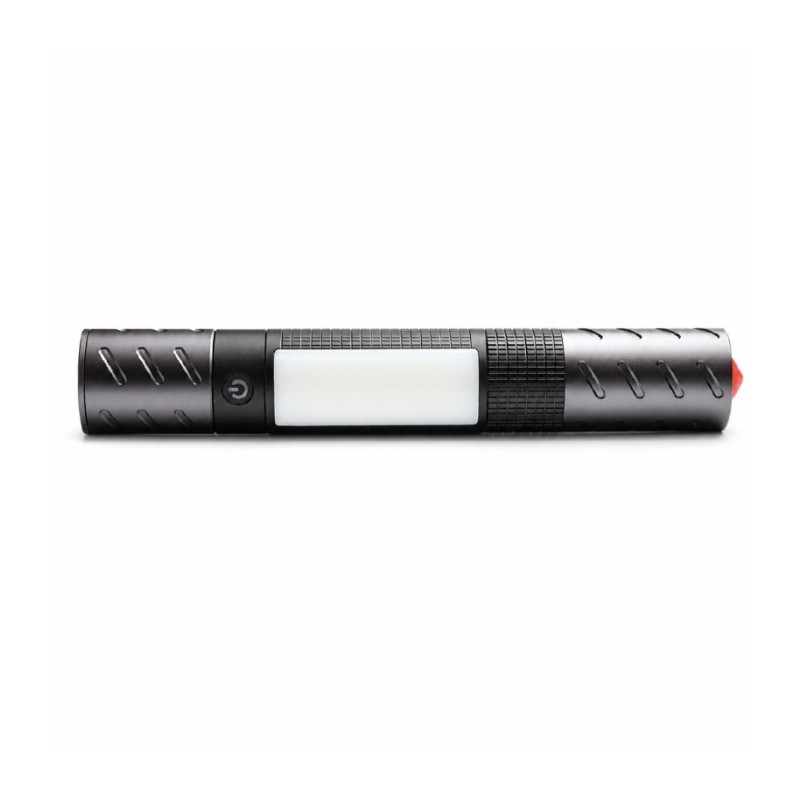
- The Flashlight Body and Ergonomics: The housing itself plays a role in performance. It must be constructed from a durable material, such as aircraft-grade aluminum, that can withstand the recoil of the impact. Furthermore, the ergonomic design must allow a user to maintain a firm grip and apply consistent pressure, even in a wet or stressful environment.
A failure in any of these components renders the entire device useless in an emergency. Therefore, a deep dive into the bill of materials and mechanical design is a necessary part of the vetting process for any serious buyer, underpinning overall emergency flashlight reliability.
Rigorous Testing for Window Breaker Reliability
Claims of power and reliability must be substantiated by empirical data. Trustworthy emergency flashlight suppliers invest heavily in a multi-stage testing protocol to validate the performance and safety of their window breakers.
- Material Hardness and Composition Testing: Before manufacturing, raw materials, especially the tungsten carbide for the tips, should undergo verification. Techniques like X-ray fluorescence (XRF) can be used to confirm the composition and purity of the metal alloys, ensuring they meet the required specifications for hardness and durability.
- Destructive Performance Testing: This is the most crucial validation stage. The protocol involves using the device on standardized panes of tempered automotive glass. Key metrics to demand from a supplier include:
- Glass Specification: What thickness and type of tempered glass was used? (e.g., 4mm or 5mm automotive side window glass).
- Success Rate: What is the success rate of a single strike shattering the glass? Reputable manufacturers aim for a rate exceeding 99%.
- Force Gauge Measurement: Advanced testing uses force gauges to measure the exact pressure required to activate the spring-loaded mechanism, ensuring it’s within a range that an average person can apply.
- Environmental and Durability Testing: An emergency tool must function in all conditions.
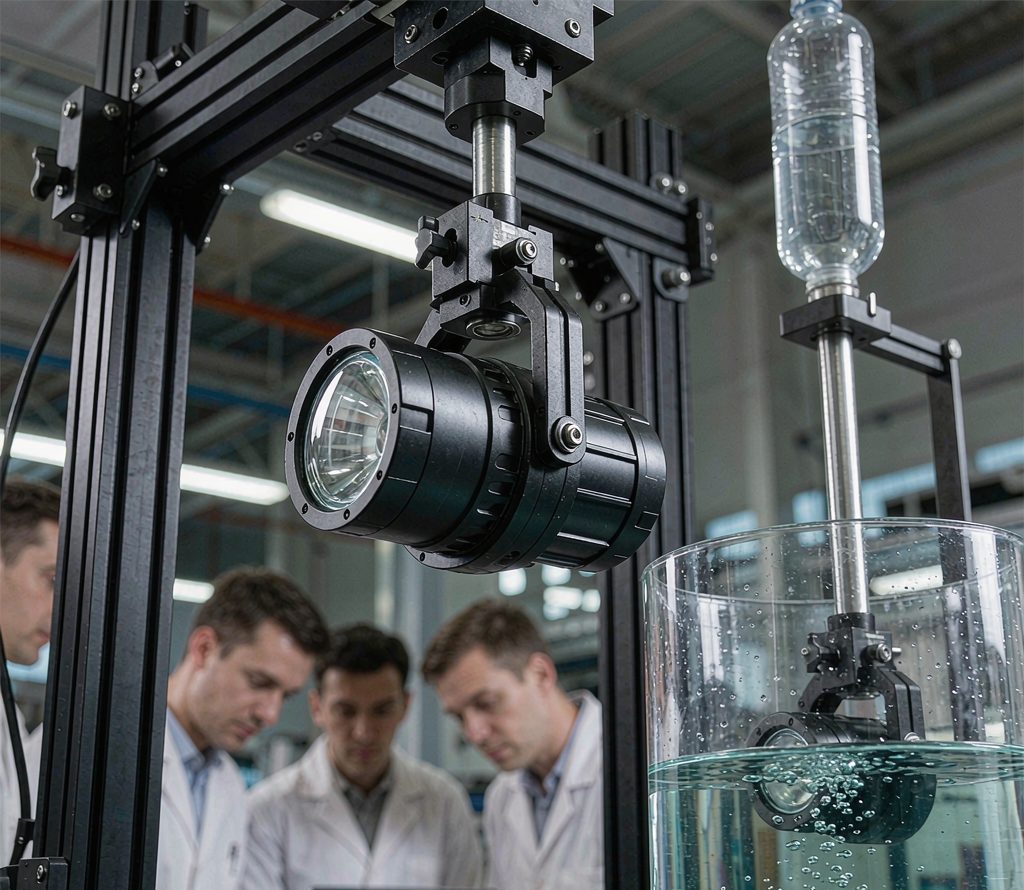
- IP Water and Dust Resistance: The device should have an Ingress Protection (IP) rating (e.g., IPX7), indicating its ability to withstand immersion in water. The supplier must provide certification for this rating.
- Temperature Cycling: The flashlight is tested to perform reliably in a range of temperatures, from freezing cold to the high heat of a car interior in summer.
- Drop and Impact Testing: The device is dropped from various heights onto hard surfaces to ensure the housing and internal electronics can withstand rough handling.
- Batch-to-Batch Consistency Testing: A good single sample is not enough. A key differentiator for a top-tier supplier is their commitment to batch testing. A certain percentage of units from every production run are pulled and put through the full destructive and functional testing protocol. This ensures that quality remains consistent over time and that no deviations in materials or assembly have occurred.
Asking for and reviewing the documentation from this comprehensive window breaker testing and certification process is a non-negotiable step for any fleet manager or safety distributor.
Emergency Light with Built-in Window Breaker ODM: What Fleets Require
For large-scale operations such as commercial trucking fleets, law enforcement agencies, or roadside assistance providers, off-the-shelf products often fall short. Specific operational needs—such as in-vehicle charging, specific mounting solutions, or tailored light modes—demand a more customized approach. This is where Original Design Manufacturing (ODM) becomes essential. An ODM partnership allows a fleet to work directly with a manufacturer to develop a product that meets its unique and exacting requirements from the ground up.
The ODM Development Process for Specialized Fleet Lights
Engaging in an [emergency light with built-in window breaker odm](emergency light with built-in window breaker odm) project is a collaborative journey that transforms a concept into a mass-produced, fleet-ready tool. The process typically follows a structured path:
- Requirement Definition & Consultation: The process begins with the fleet manager or distributor outlining their specific needs. This goes beyond basic functions and includes:
- Power Source: Rechargeable lithium-ion via a standardized vehicle charger (e.g., USB-C) or disposable batteries for long-term storage?
- Mounting & Accessibility: Does the device need a specific bracket or holster for quick access inside a vehicle cabin?
- Lighting Modes: Are specific outputs needed, such as a high-lumen inspection beam, a low-glare map-reading light, or a red S.O.S. flasher?
- Additional Features: Is a seatbelt cutter required? Magnetic base for hands-free use?
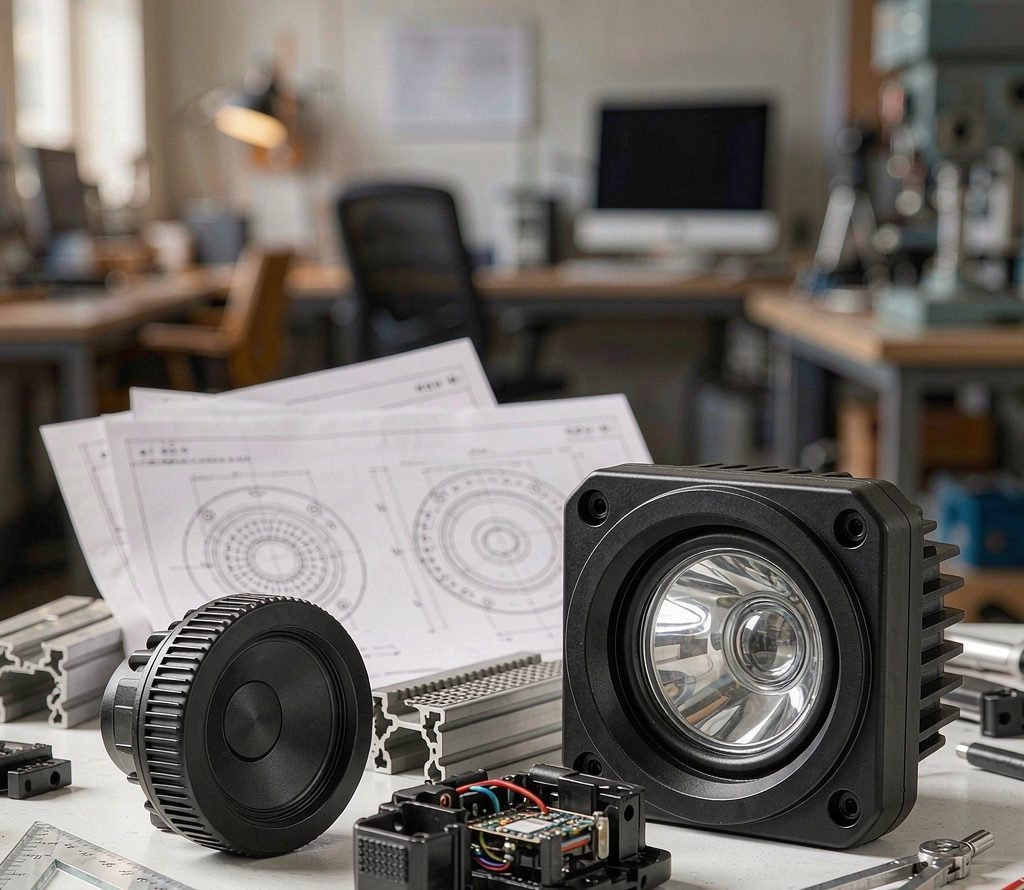
- Engineering Design & Prototyping: The ODM supplier's engineering team translates these requirements into technical specifications and 3D models. Once the design is approved, they create functional prototypes. This is a critical phase where the ergonomics, feel, and functionality of the device can be evaluated in a real-world context.
- Feedback & Iteration: The fleet receives the prototypes for testing and feedback. This is the opportunity to request modifications—perhaps the button is too small to be used with gloves, or the charging port needs a more robust cover. The supplier incorporates this feedback into revised prototypes.
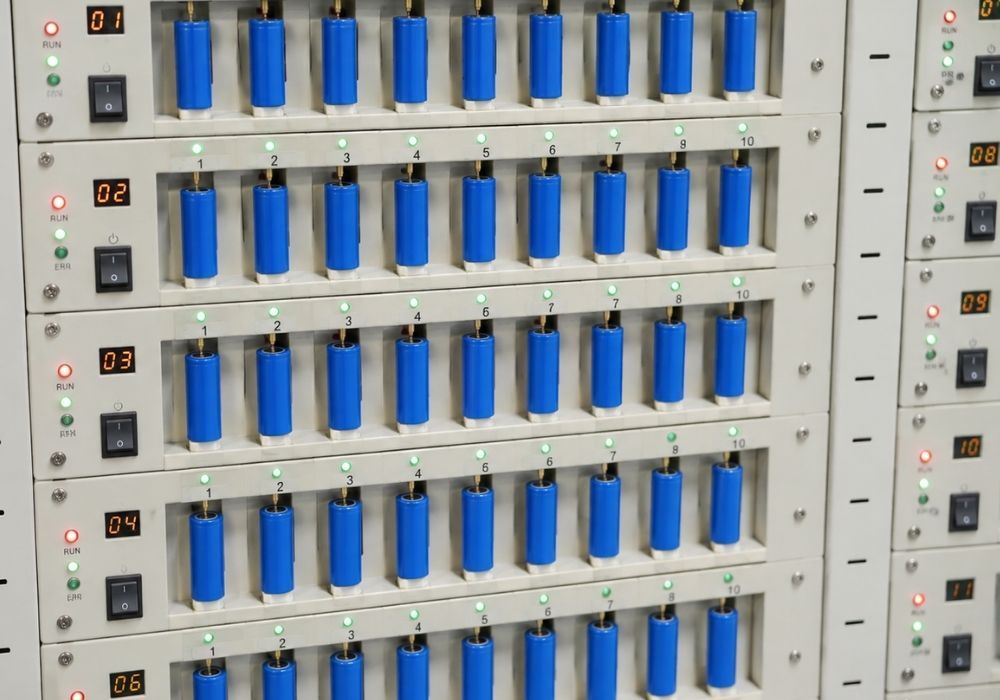
- Tooling & Mass Production: Once the final prototype is approved, the supplier invests in creating the molds and tooling required for mass production. A comprehensive quality assurance plan is established to monitor every stage of manufacturing, from component sourcing to final assembly.
This bespoke process ensures the final product is not just a generic tool but an integrated piece of the fleet's safety equipment ecosystem.
Essential Testing Protocols for Fleet-Specific ODM Solutions
Products developed for fleet use are subjected to an even higher level of scrutiny because they are considered mission-critical equipment. The testing protocols for an ODM project must reflect the harsh realities of daily vehicle use.
| Test Category | Description | Purpose |
|---|---|---|
| Vibration Testing | The device is subjected to prolonged, multi-axis vibrations that simulate thousands of miles of road travel. | Ensures that solder joints, connectors, and mechanical components will not fail or loosen over time due to vehicle vibration. |
| Shock Testing | Simulates the shocks and jolts of a vehicle hitting potholes or being involved in a minor collision. | Verifies the durability of the housing and the resilience of internal electronics to sudden impacts. |
| Ingress Protection (IP) Testing | The finished product (not just a prototype) is tested for its certified IP rating for water and dust resistance. | Confirms the device will function reliably when exposed to rain, spills, or dusty roadside environments. |
| Battery Performance & Charging Cycle | The battery is tested for its claimed capacity, runtime on various light modes, and charge/discharge cycle life. | Guarantees the device will hold a charge and be ready for use when needed, a key part of overall fleet emergency lighting solutions. |
| User Acceptance Testing (UAT) | A pilot batch is distributed to a sample group of end-users (e.g., truck drivers, officers) for use in their daily routines. | Gathers final, real-world feedback on usability and performance before full-scale deployment. |
An experienced ODM partner will not only perform these tests but will also provide detailed reports and welcome client observation during the testing process, demonstrating a true commitment to transparency and quality.
china customized emergency light with built-in window breaker
China Customized Emergency Light with Built-in Window Breaker: Buyer Checklist
Sourcing customized safety products from China offers significant advantages in terms of cost, scalability, and access to a vast manufacturing ecosystem. However, navigating this landscape requires a clear and disciplined approach. For buyers looking for a china customized emergency light with built-in window breaker, success hinges on due diligence and asking the right questions. A well-prepared buyer can forge a powerful partnership, while an unprepared one risks facing quality issues, communication gaps, and project delays.
Assessing Customization Depth from Chinese Suppliers
Not all "customization" is created equal. It's crucial to understand the levels of modification a supplier can genuinely offer, which typically fall into three tiers:
Tier 1: Basic Branding (OEM-like)
- What it is: The supplier applies your logo and branding to their existing, off-the-shelf product. This often includes custom packaging and user manuals.
- Best for: Distributors who want a market-ready product with minimal investment and quick turnaround time.
- Key Consideration: You are largely dependent on the supplier's initial design and quality control. Vetting the base product is essential.
Tier 2: Modular Customization
- What it is: You can modify certain pre-engineered aspects of an existing product. This might include changing the LED type for a different color temperature or lumen output, selecting a different battery capacity, or choosing a different body color or finish.
- Best for: Buyers who need a product with specific performance tweaks but don't require a completely new form factor.
- Key Consideration: Ensure the supplier has experience integrating these modules and can provide test data for the modified configuration.
Tier 3: Full Customization (True ODM)
- What it is: The supplier's engineering team works with you to design a product from scratch based on your unique requirements. This includes custom housing design, unique feature integration (like a specific charging port or button layout), and bespoke firmware.
- Best for: Large fleets or brands that require a proprietary device tailored perfectly to their operational needs.
- Key Consideration: This requires a supplier with a strong R&D department, excellent communication skills, and a proven track record in new product development.
Assessing a supplier's engineering capabilities and past projects is vital to determine if they can deliver the level of customization your project demands.
Key Questions for Your Custom Emergency Flashlight Supplier
When you engage with a potential supplier in China, your questions should be targeted and specific. Vague inquiries will receive vague answers. Use this checklist as a starting point for your supplier audit:
About Their Company & Capabilities:
- "Can you provide your business license and any ISO certifications (e.g., ISO 9001:2015)?"
- "What percentage of your business is ODM vs. OEM?"
- "Can you share case studies or examples of custom projects similar to ours?"
- "Who will be my dedicated point of contact, and do they speak fluent English?"
About Engineering & Quality Control:
- "What is your process for new product development, from design to mass production?"
- "Can you provide a full set of test reports for a similar product, including for the window breaker, IP rating, and battery?"
- "How do you conduct quality control during mass production? Do you perform batch testing?"
- "Can we inspect the factory, either in person or via a third-party service, before placing an order?"
About Logistics & Commercials:
- "What is your Minimum Order Quantity (MOQ) for this level of customization?"
- "What are the payment terms and the estimated lead time for samples and mass production?"
- "Who owns the intellectual property and tooling for this custom project?"
- "What is your warranty policy and process for handling defective units?"
The willingness and ability of a supplier to provide clear, documented answers to these questions is a strong indicator of their professionalism and reliability.
Common FAQs for Custom Orders
Navigating a custom order for the first time can bring up several questions. Here are a few common ones:
- How much does a custom mold/tooling cost? This can range from a few thousand to tens of thousands of dollars, depending on the complexity of the design. The supplier should provide a detailed quote, and it's important to clarify who owns the tooling once it's paid for.
- How long does the process take? A simple branding project might take 30-45 days. A full ODM project, from design to mass production, can take 6-12 months or more.
- Do I need to visit the factory? While not always mandatory, it is highly recommended, especially for large or complex projects. If you cannot go, hiring a reputable third-party inspection service is a wise investment.
China Emergency Light with Built-in Window Breaker: MOQ and Compliance
Once you have identified a potential supplier and confirmed their customization capabilities, the conversation shifts to the practicalities of a production order. For any china emergency light with built-in window breaker, two of the most important hurdles are navigating the Minimum Order Quantity (MOQ) and ensuring absolute compliance with international standards. At the same time, understanding the supplier's OEM programs can provide a valuable alternative for distributors.
 Alt-text: A collection of key international certification logos including CE, RoHS, FCC, and UKCA, which are essential for product compliance.
Understanding Minimum Order Quantities (MOQ)
The Minimum Order Quantity (MOQ) is the smallest number of units a manufacturer is willing to produce in a single production run. For buyers, MOQs can seem like a barrier, but understanding why they exist is key to a successful negotiation.
Why MOQs Exist:
- Raw Material Sourcing: Suppliers of components (like LEDs, batteries, or aluminum) have their own MOQs. A flashlight manufacturer must purchase enough components to meet these minimums.
- Production Line Efficiency: Setting up a production line for a specific product involves labor, calibration, and time. Running a very small batch is often not cost-effective.
- Fixed Costs: Costs like tooling, testing setup, and project management are spread across the total number of units. A larger order reduces the per-unit cost.
Negotiating MOQs: While some MOQs are firm, there is often room for discussion.
- Offer a Higher Price: A supplier may accept a smaller order if you agree to a higher per-unit price to cover their fixed costs.
- Stagger Deliveries: You can place a larger order that meets the MOQ but arrange for it to be produced and shipped in smaller batches over several months.
- Use Stock Components: If your customization uses standard components that the factory keeps in stock, they may be more flexible on the MOQ.
Essential Certifications and Documentation
Compliance is not optional; it is a legal and ethical requirement. A product sold without the correct certifications can be seized by customs, result in hefty fines, and create significant liability for the distributor. A professional window breaker flashlight manufacturer will have a robust system for certification.
Key certifications to demand include:
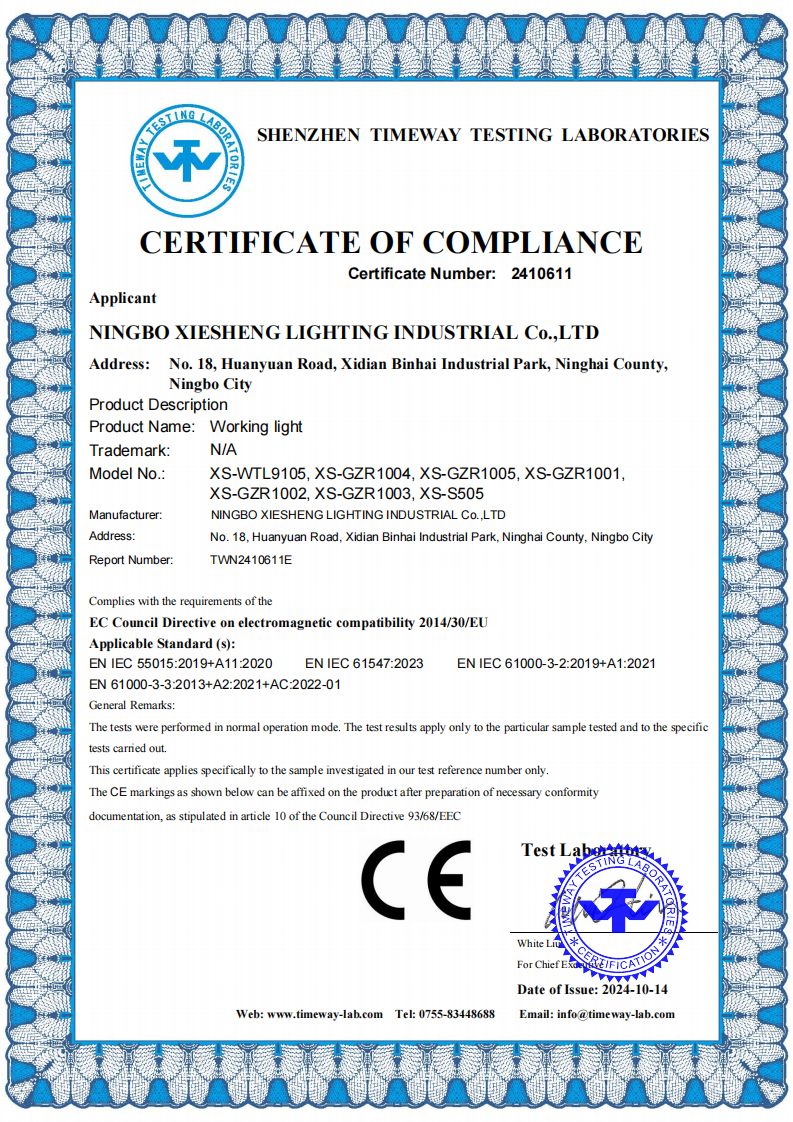
- CE (Conformité Européenne): Mandatory for products sold within the European Economic Area. It signifies that the product meets high safety, health, and environmental protection requirements.
- FCC (Federal Communications Commission): Required for electronic products sold in the United States. It certifies that the device's electromagnetic interference is under limits approved by the FCC.
- RoHS (Restriction of Hazardous Substances): A directive originating in the EU that restricts the use of specific hazardous materials found in electrical and electronic products. It is a global standard for environmental responsibility.
- UKCA (UK Conformity Assessed): The new conformity marking for products being placed on the market in Great Britain (England, Wales, and Scotland).
- UN38.3: An essential safety and transportation standard for lithium batteries. Without this, shipping products containing these batteries is illegal and dangerous.
Crucially, you must not just see the certificate. You must verify that it is valid, current, and applies to the specific model you are purchasing. Ask for the full test report that accompanies the certificate.
Emergency Flashlight OEM Programs for Safety Distributors
For distributors who want to launch their own brand of safety product without the long lead times and heavy investment of a full ODM project, an Original Equipment Manufacturer (OEM) program is an ideal solution. An emergency flashlight oem program allows a distributor to select a pre-existing, fully tested, and certified product from a manufacturer's catalog and sell it under their own brand name.
- Benefits of an OEM Program:
- Speed to Market: Since the product is already designed and certified, the time from order to delivery is significantly reduced.
- Lower Risk & Investment: There are no R&D or tooling costs. You are leveraging the manufacturer's investment.
- Proven Reliability: You are choosing a product that has an established production history and, ideally, a track record of reliability in the market.
An emergency flashlight oem partnership is a powerful strategy for building a brand while relying on the manufacturing expertise and quality control of a trusted supplier.
Window Breaker Flashlight Manufacturer Comparison Criteria
When you have shortlisted a few potential suppliers, use a standardized scorecard to compare them objectively. This removes emotion and focuses the decision on key performance indicators.
| Criteria | Supplier A | Supplier B | Supplier C |
|---|---|---|---|
| ISO 9001 Certified | |||
| Provides Full Test Reports (Window breaker, IP, Battery) | |||
| Offers In-house R&D and Engineering Support | |||
| English Fluency of Sales/Engineering Contact | |||
| Stated MOQ for Customization | |||
| Stated Lead Time for Production | |||
| Warranty Policy and Process | |||
| Third-Party Factory Audit Report |
This structured comparison will make it clear which window breaker flashlight manufacturer is the most capable and transparent partner for your needs.
emergency flashlight oem
Partner with OWLAMP for Fleet Safety Lighting
Choosing the right supplier is the culmination of all the research, vetting, and due diligence discussed. It’s about finding a partner who not only manufactures a product but also understands the critical safety mission behind it. OWLAMP has positioned itself as a leading supplier by building its reputation on the pillars of engineering transparency, rigorous testing, and collaborative partnerships, particularly for clients with demanding fleet and safety requirements.
Why OWLAMP Stands Out as an Emergency Flashlight Supplier
In an industry where claims can be difficult to verify, OWLAMP distinguishes itself through a commitment to demonstrable quality. This focus aligns directly with the core needs of fleet managers and safety distributors who cannot afford to compromise on reliability.
- A Foundation in Testing: OWLAMP's approach is rooted in empirical data. The company provides comprehensive testing documentation for its products, covering everything from the destructive testing of its tungsten carbide window breakers to the IPX7 waterproof certification and the UN38.3 compliance for its batteries. This transparency in window breaker testing and certification provides clients with the assurance they need.
- Expertise in ODM and OEM: Recognizing that different clients have different needs, OWLAMP has developed robust programs for both customization and branding. Their engineering team is equipped to handle full ODM projects for specialized fleet emergency lighting solutions, working with clients to develop unique tools from the ground up. Simultaneously, their emergency flashlight oem program allows distributors to quickly bring a proven, reliable product to market under their own brand.
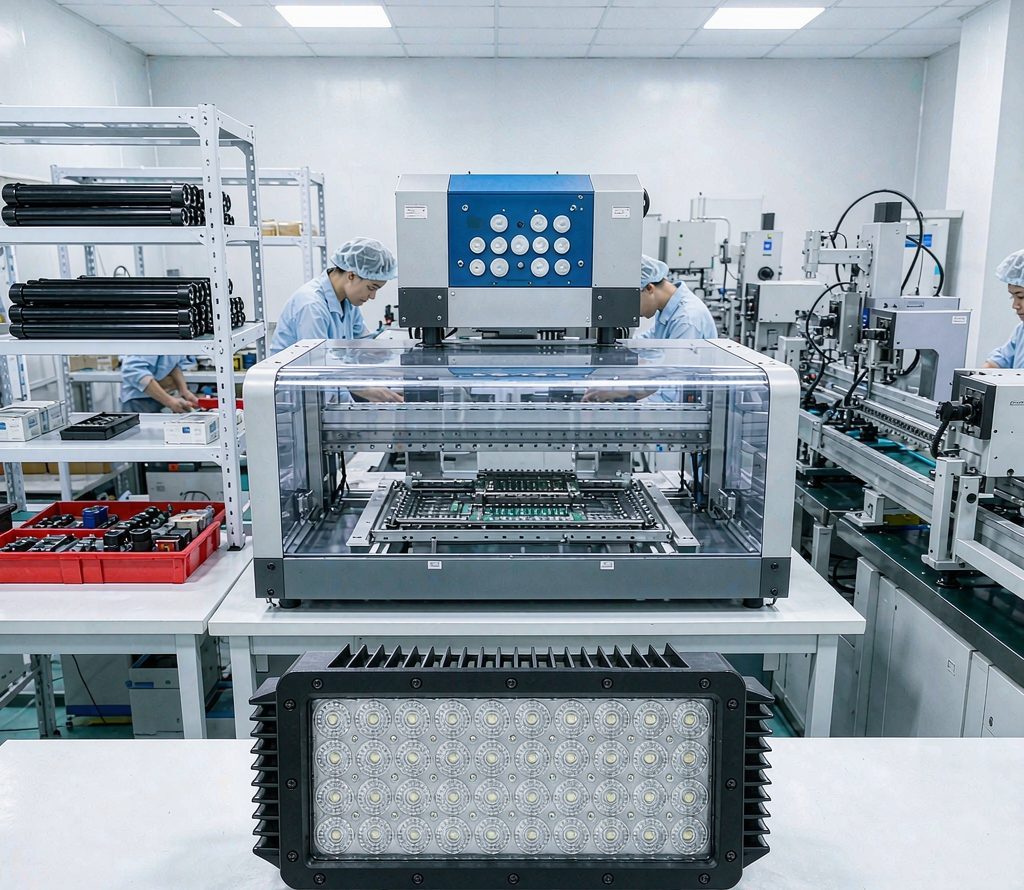
- Commitment to Reliability: The entire design and manufacturing process is geared towards maximizing emergency flashlight reliability. This includes the use of premium materials like aircraft-grade aluminum and tungsten carbide, investment in automated production lines for consistency, and a multi-layered quality control process that includes batch testing every production run.
This holistic approach makes OWLAMP a strong contender for any organization seeking a long-term partner in safety lighting.
Requesting Your Fleet Configuration and Test Reports
Engaging with OWLAMP or any other top-tier supplier should be a straightforward, data-driven process. To begin, you should approach them with a clear request for the information that matters most to your operation.
- Define Your Needs: Start by outlining your ideal configuration. Are you looking for a rechargeable model with a magnetic base and a side-mounted seatbelt cutter? Do you need a specific lumen output or light mode sequence? Provide as much detail as possible.
- Request a Documentation Package: Ask for a complete set of documentation for the product that most closely matches your needs. This package should include:
- The full CE, RoHS, and FCC test reports (not just the certificates).
- The UN38.3 test report for the lithium-ion battery.
- The IPX7 waterproof test report.
- An in-house report detailing their window breaker testing protocol and results.
- Material safety data sheets (MSDS) for key components.
- Inquire About Samples: Request a sample of the product so you can conduct your own hands-on evaluation of its build quality, ergonomics, and performance.
A confident and capable supplier will welcome this level of scrutiny and will be prepared to provide all the necessary information promptly. This open exchange of information is the foundation of a strong and trustworthy manufacturing partnership.
window breaker flashlight manufacturer
Frequently Asked Questions (FAQ)
1. What is the most critical feature to look for in an emergency flashlight for a vehicle? While brightness (lumens) and battery life are important, the most critical feature is proven reliability, especially for integrated tools like a window breaker. The feature's value is zero if it fails in an emergency. Therefore, you should prioritize suppliers who provide transparent, third-party or well-documented test reports verifying the performance of the window breaker on actual tempered glass and the device's water resistance (IP rating).
2. How often should emergency flashlights in a fleet be inspected or tested? A quarterly inspection is a good best practice. This inspection should include:
- Functional Check: Turn the flashlight on to ensure the light and all modes are working.
- Battery Check: If it's rechargeable, ensure it's holding a charge. If it uses disposable batteries, check for corrosion and test the battery level. Many fleet safety policies mandate replacing disposable batteries annually regardless of use.
- Physical Inspection: Check for any cracks in the housing or lens and ensure any charging port covers are intact. The window breaker mechanism itself is typically designed for single use in an emergency and doesn't require testing, but ensuring the rest of the device is functional is key.
3. What is the real-world difference between a cheap "survival" flashlight and a professional-grade fleet flashlight?
The difference lies in materials, testing, and certification. A cheap flashlight often uses inferior materials (e.g., plastic body, hardened steel pin), has no verifiable IP rating, and lacks crucial battery safety certifications like UN38.3. A professional-grade flashlight from a reputable emergency flashlight supplier will use premium materials (aircraft-grade aluminum, tungsten carbide tip), have certified IPX7 or higher water resistance, and possess all required CE, RoHS, and FCC certifications, backed by complete test reports. The professional tool is an investment in liability protection and reliable performance.
4. Why is a tungsten carbide tip so important for a window breaker? Tempered side-window glass is incredibly strong. A window breaker works by concentrating immense force on a tiny point to fracture it. Tungsten carbide is one of the hardest man-made materials, second only to diamond. It can deliver this focused impact without deforming, chipping, or breaking itself. A softer material like steel can dull or mushroom on impact, dissipating the force and failing to break the glass, especially if not hit perfectly.
5. Can I bring a product to a Chinese manufacturer to have them copy it (reverse-engineer)? While technically possible, it is fraught with legal and ethical risks, especially if the original product is patented or has a unique design. A much better and more professional approach is to work with a reputable ODM supplier. You can present the product you admire as a "benchmark" and explain which features you like and what you want to change or improve. A good ODM partner will then design a new product for you that meets your needs without illegally copying another company's intellectual property.
Choosing the right emergency flashlight supplier is a decision that extends far beyond product features and price. It's about forging a partnership built on trust, transparency, and a shared commitment to safety and reliability. I’ve learned through experience that a deep understanding of product components, the rigors of testing protocols, the nuances of customization, and the importance of compliance is absolutely essential. A supplier who openly shares their test data and welcomes scrutiny is a supplier who is confident in their product.
I hope this detailed guide provides you with the framework and confidence to navigate the market for emergency lights with built-in window breakers. By prioritizing supplier transparency and demanding proof of product integrity, you can make informed decisions that genuinely protect your personnel, your customers, and your assets. We encourage you to share this guide with colleagues in fleet management and safety procurement and to start a conversation about raising the standard for the critical safety tools you deploy.