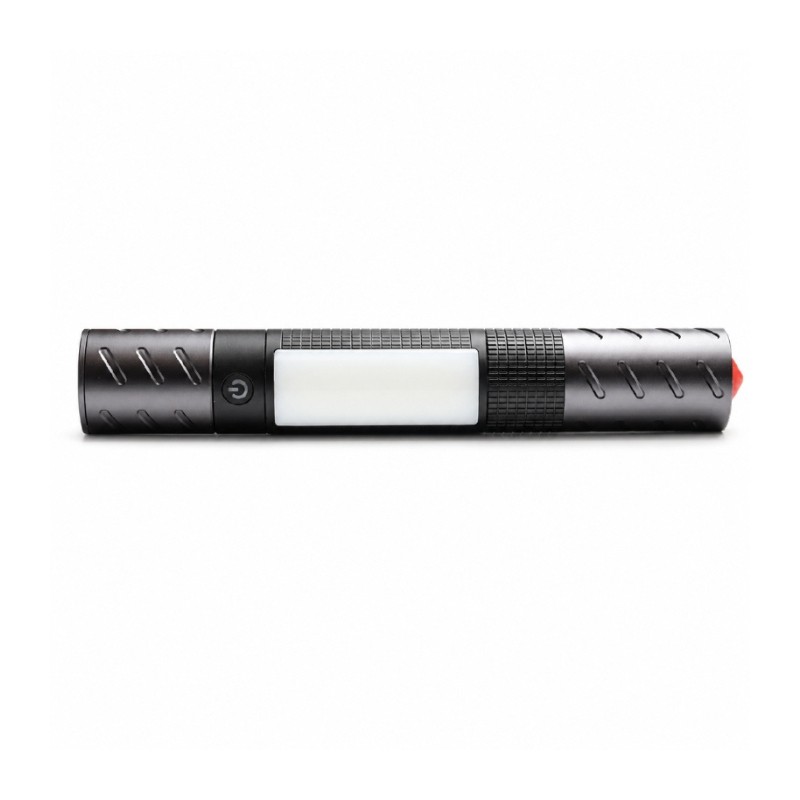
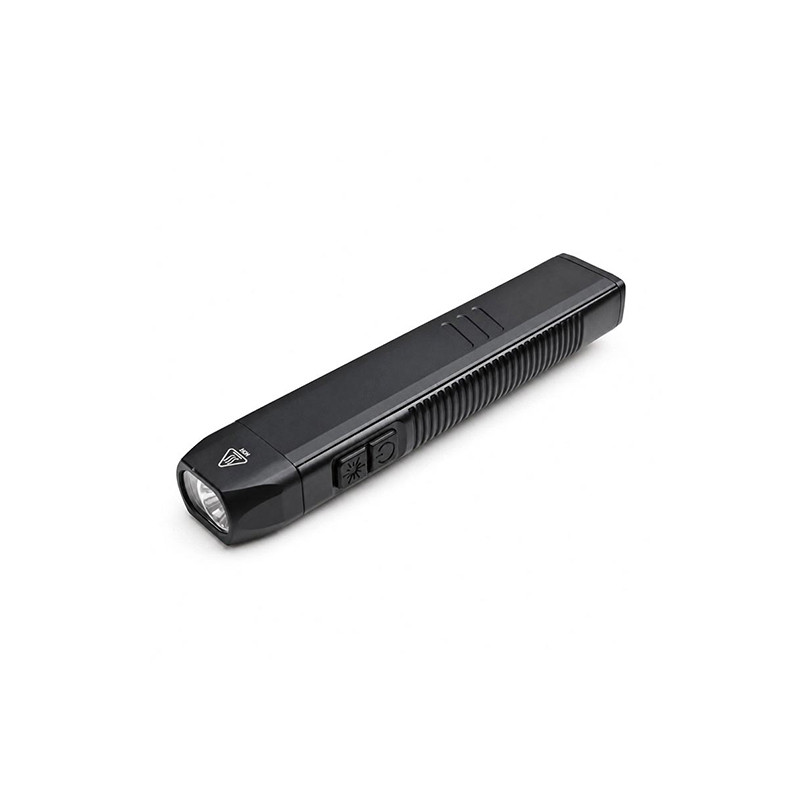
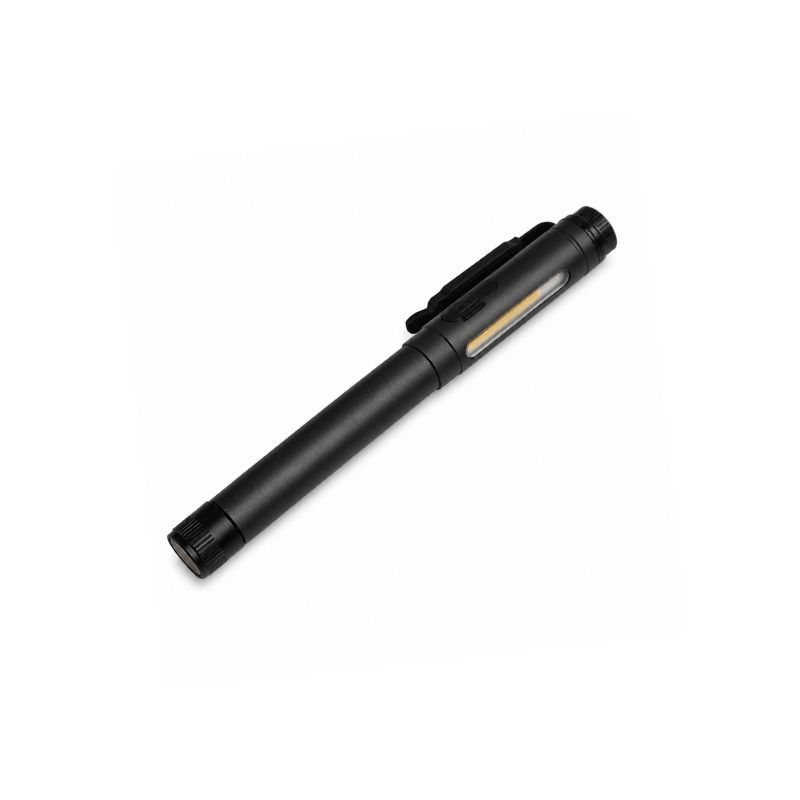
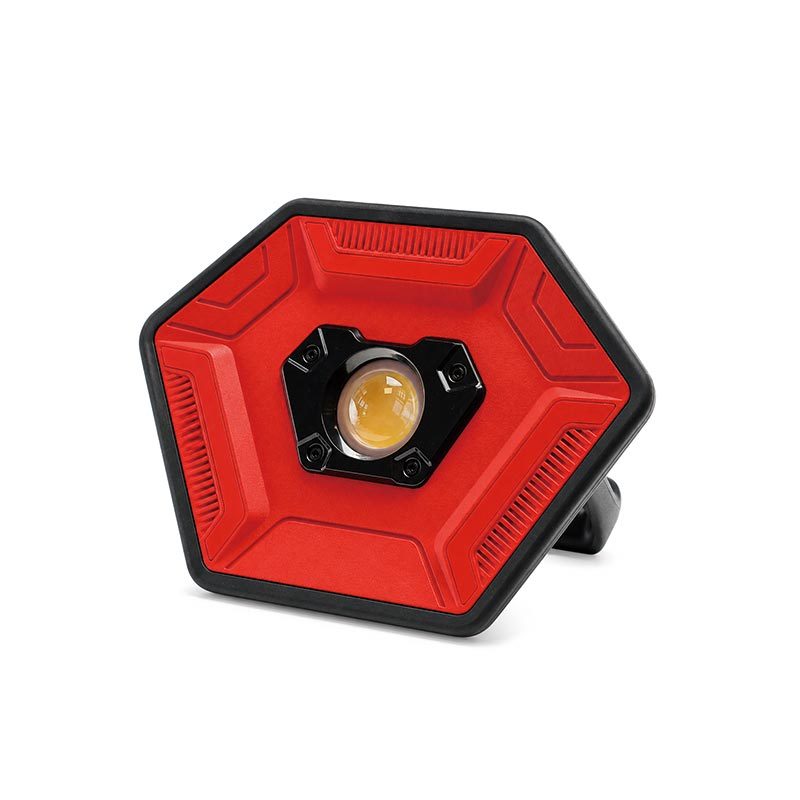
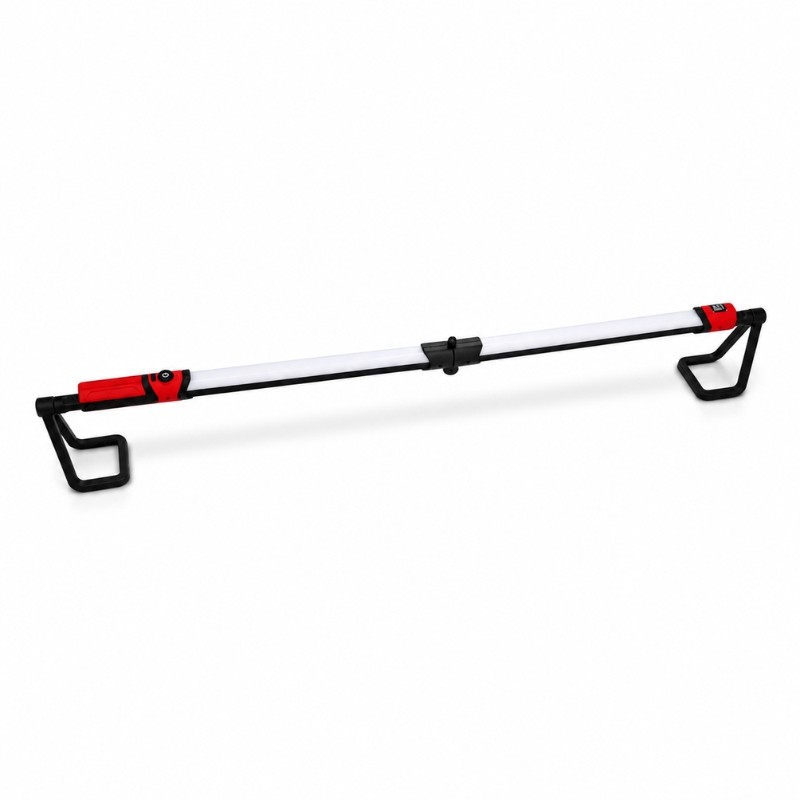
Inspection Light Technology Explained: Power, Precision, and Practical Uses.
Modern illumination goes beyond basic visibility; it's about detailed inspection, revealing what the naked eye cannot perceive. Today's advanced inspection lights seamlessly blend power, precision, and practical utility, transforming how we interact with our environment and conduct thorough examinations. These tools are no longer simple flashlights but sophisticated devices engineered for specific, demanding tasks.
Join us as we explore the cutting-edge technology behind these versatile tools and analyze the technical specifications of advanced portable lighting for industrial inspections. From high-output white light that mimics natural daylight to specialized ultraviolet capabilities that uncover hidden flaws, we will demonstrate their indispensable role in diverse fields. Whether for a professional technician or an everyday user, understanding this technology is key to unlocking a new level of clarity and insight.
Key Takeaways
- Power and Performance: Modern inspection lights are defined by their high-lumen white light output, which provides broad and intense illumination. Key metrics like lumens (total brightness), candela (beam intensity), and Color Rendering Index (CRI) are crucial for evaluating performance. A high CRI is especially important for tasks requiring accurate color perception, such as electrical wiring or paint inspection.
- Engineered Durability: These tools are built for harsh environments. They often feature bodies made from aircraft-grade aluminum and carry IP (Ingress Protection) and IK (Impact Protection) ratings. An IP rating indicates resistance to dust and water, while an IK rating signifies how much impact the device can withstand, making them reliable for industrial or field use.
- Precision UV Capabilities: Many advanced inspection lights include an integrated UV-A (blacklight) function. This feature is not a gimmick; it is essential for professional applications like non-destructive testing (NDT), leak detection in HVAC and automotive systems, forensic analysis, and currency verification. The 365nm wavelength is typically preferred for its ability to cause fluorescence in various materials without emitting significant visible violet light.
- Versatility in Application: The use cases for inspection lights are vast. For Everyday Carry (EDC), compact models offer convenience for tasks like checking for counterfeit bills or spotting household stains. In professional settings—such as automotive repair, aviation maintenance, and law enforcement—high-performance models are critical for safety, accuracy, and efficiency.
- Superiority Over Alternatives: Dedicated inspection lights significantly outperform general-purpose devices like smartphone flashlights. A smartphone's LED cannot produce true UV light and lacks the power, beam focus, color accuracy, and durability of a purpose-built tool. Integrated, multi-functional inspection lights provide streamlined efficiency by combining powerful white light, precise UV, and other modes into a single, robust device.
The Unrivaled Power and Robustness of Modern Inspection Lights: Engineered for Superior Illumination
The effectiveness of any inspection hinges on the quality of light available. Modern inspection lights are engineered to deliver uncompromising illumination, combining immense power with rugged construction. They are not merely bright; they are designed to provide the right kind of light—clear, consistent, and reliable—while being tough enough to survive the rigors of professional use. This combination of powerful output and exceptional durability sets them apart as essential tools for any detailed work.
Commanding White Light Output for Comprehensive Inspection Tasks
At the heart of a quality inspection light is its ability to produce powerful, high-quality white light. This is about more than just raw brightness; it involves a careful balance of several key lighting metrics that determine how well you can see and interpret details.
Understanding Lumens and Candela
The two most common (and often confused) metrics for flashlight output are lumens and candela.
- Lumens (lm): This measures the total amount of visible light emitted by a source in all directions. Think of it as the overall volume of light produced. A high lumen rating is ideal for lighting up a large area, like a worksite or an engine bay.
- Candela (cd): This measures the luminous intensity or the peak brightness of the beam in a specific direction. It essentially describes how focused and concentrated the light is. A high candela rating is crucial for tasks that require a long-distance beam or pinpointing a specific spot from far away, such as in search and rescue or inspecting overhead power lines.
For inspection work, a combination of both is often ideal: sufficient lumens to provide ample light and well-shaped optics to create a focused beam (high candela) that illuminates the subject without excessive glare or dark spots.
The Critical Role of the Color Rendering Index (CRI)
While brightness is important, the quality of the light is paramount for accurate inspection. This is where the Color Rendering Index (CRI) becomes a crucial factor. CRI is a scale from 0 to 100 that measures how accurately a light source reveals the true colors of an object compared to natural daylight (which has a CRI of 100).
A low-CRI light can make colors appear dull, washed out, or even distorted—for example, making a crucial red warning wire look brown or orange. This can be a significant safety hazard in tasks like electrical work or automotive diagnostics. For general industrial work, a CRI of 70-80 may be sufficient, but for precision tasks, a CRI of 90 or higher is strongly recommended. High-CRI lighting improves visibility, reduces the risk of errors, and minimizes eye strain during long periods of detailed work. Some professional-grade inspection lights, particularly those for automotive paint correction or art restoration, boast a CRI of 95 or higher to ensure maximum color fidelity.
Beam Quality and Temperature
Beyond metrics, the physical characteristics of the beam are vital.
- Beam Pattern: Inspection lights often feature a combination of a focused "hotspot" for intense, direct illumination and a softer "spill" or "flood" to light up the surrounding area. Some models offer adjustable focus, allowing the user to transition from a wide floodlight to a tight spotlight.
- Color Temperature (Kelvin): This describes the appearance of the white light, from warm (yellowish) to cool (bluish). Many inspection lights use a color temperature between 4000K and 6500K to produce a neutral or cool white light that mimics daylight, which enhances clarity and reduces fatigue.
By delivering a high-output, high-quality beam, modern inspection lights ensure that nothing is missed, from a subtle fluid leak to a hairline fracture in a critical component.
Built to Endure: Advanced Durability and Design in Portable Inspection Lights
A professional inspection light must be able to withstand the demanding, often harsh, conditions of its working environment. Whether it's dropped on a concrete floor, exposed to rain, or covered in grease, it needs to function flawlessly. This is why manufacturers invest heavily in robust materials, certified protection standards, and ergonomic designs.
Rugged Construction and Materials The body of a high-quality inspection light is its first line of defense. Many top-tier models are constructed from materials chosen for their high strength-to-weight ratio.
- Aircraft-Grade Aluminum: Alloys such as 6061-T6 are a popular choice for the main body of an inspection light. This material offers excellent durability and corrosion resistance while remaining lightweight for comfortable handling. Some manufacturers use proprietary polymer blends, which are also designed for extreme durability and can withstand significant impacts.
- Impact-Resistant Lenses: A tough body is useless if the lens shatters. Lenses are typically made from hardened polycarbonate or tempered borosilicate glass, which can resist scratches, impacts, and exposure to chemicals without degrading optical clarity.
- Protective Finishes: The bodies are often finished with a hard-anodizing treatment. This electrochemical process creates a tough, ceramic-like layer on the surface of the aluminum, providing superior resistance to scratches and corrosion.
Understanding IP and IK Ratings
To provide a clear, standardized measure of durability, professional lights are tested and assigned Ingress Protection (IP) and Impact Protection (IK) ratings.
IP Rating (Ingress Protection): This two-digit code classifies the level of protection an enclosure provides against solids and liquids.
- The first digit (0-6) rates protection against solid objects, from large body parts down to microscopic dust. A rating of '6' means the device is completely dust-tight.
- The second digit (0-9) rates protection against water ingress, from simple drips to powerful jets and full submersion. For example, a light with an IP67 rating is totally dust-tight (6) and can withstand temporary immersion in water up to 1 meter for 30 minutes (7). This makes it suitable for outdoor use in heavy rain or in environments where it might be dropped in water.
IK Rating (Impact Protection): This rating, defined by international standard IEC 62262, measures how resistant a fixture is to mechanical impact. The scale ranges from IK00 (no protection) to IK10 (or higher), with each level corresponding to a specific amount of impact energy measured in joules (J).
- An IK07 rating (2 joules of impact) is suitable for areas with a moderate risk of bumps.
- An IK08 rating (5 joules) is often found on commercial-grade fixtures and provides robust protection for general workshop use.
- An IK10 rating (20 joules) signifies a very high level of protection, suitable for the most demanding industrial environments or areas prone to vandalism.
Ergonomic and Practical Design Features
Beyond being tough, a portable inspection light must be easy and practical to use.
- Hands-Free Operation: Professionals often need both hands free to work. To accommodate this, many inspection lights are equipped with features like strong magnetic bases to attach to metal surfaces, retractable hooks for hanging, and pocket clips for easy carrying.
- Grip and Handling: The design often includes knurling, textured surfaces, or rubber over-molding to ensure a secure grip, even when wearing gloves or in wet conditions. The size and weight are balanced to reduce user fatigue during prolonged use.
- User Interface: Switches and controls are designed to be intuitive and easy to operate, even in the dark. Some models feature rotary dials or separate buttons for quick access to different modes without cycling through unwanted options.
This dedication to building a tool that is both powerful and virtually indestructible ensures that a professional inspection light is a reliable partner in any task, ready to perform in the toughest conditions.
Revealing the Hidden: Precision UV Capabilities in Specialized Inspection Lights
While powerful white light is essential for general visibility, some of the most critical details are invisible under normal illumination. This is where specialized inspection lights with integrated ultraviolet (UV) capabilities come into play. By emitting light in the UV-A spectrum, these tools can induce fluorescence in certain materials, revealing everything from minuscule leaks and hidden contaminants to security features on official documents.
Integrated Ultraviolet Light: A Gateway to Unseen Details for Precise Inspection
The inclusion of an ultraviolet LED transforms an inspection light from a simple illumination device into a powerful diagnostic tool. UV light, specifically in the UV-A spectrum (320-400 nm), operates on the principle of fluorescence. When this invisible light strikes certain materials, they absorb the UV energy and re-emit it as visible light, causing them to glow. This phenomenon makes it possible to detect substances and features that are completely invisible to the naked eye under normal lighting.
The Science of Wavelengths: 365nm vs. 395nm
Not all UV light is created equal. In the world of UV inspection, the specific wavelength is critical. The two most common options are 365nm and 395nm.
- 395nm UV Light: This wavelength is closer to the visible light spectrum and emits a noticeable violet or purple glow. While it can cause many materials to fluoresce and is often more affordable, this visible light can sometimes interfere with or wash out the faint glow of the substance being inspected.
- 365nm UV Light: Considered the professional standard for most inspection applications, 365nm is "deeper" in the UV spectrum. It emits a dull, bluish-white light with very little visible violet contamination. This purity allows for a much cleaner and higher-contrast view of fluorescence, making it far superior for detecting subtle details. For professional tasks like non-destructive testing (NDT), forensic analysis, or leak detection with specific dyes, 365nm light is often required to achieve reliable results.
Key Applications of Integrated UV Light:
The applications for a high-quality UV inspection light are extensive and span numerous industries:
- Non-Destructive Testing (NDT): In aerospace, automotive, and manufacturing, UV light is essential for fluorescent penetrant and magnetic particle inspections. A fluorescent dye is applied to a part, and under UV light, the dye that has seeped into surface-breaking defects like cracks or pores will glow brightly, making them easy to identify without damaging the component.
- HVAC and Automotive Leak Detection: Technicians add a UV-fluorescent dye to refrigerant, oil, coolant, or fuel systems. When a leak occurs, the escaping fluid leaves a residue that glows brilliantly under a UV light, allowing for fast and precise pinpointing of the leak's origin.
- Forensic Investigation: UV light is a cornerstone of crime scene investigation. It is used to reveal latent evidence such as bodily fluids (semen, saliva, urine), certain fibers, and drug residues, which all fluoresce under UV. This non-destructive method helps investigators find and document crucial evidence that would otherwise be missed.
- Counterfeit Detection and Security: Modern banknotes, driver's licenses, and passports contain security features like fluorescent threads or symbols that are invisible in normal light but glow under UV light. A UV inspection light provides a quick and reliable way to verify the authenticity of documents.
By integrating a precisely tuned UV LED, a specialized inspection light provides a second set of eyes, capable of piercing the veil of the visible world to reveal a layer of hidden information critical for safety, quality control, and an accurate assessment.
Versatile Modes for Targeted Inspection: Beyond Basic Illumination
A truly advanced inspection light is a multi-tool, offering more than just a single, powerful beam. Professionals need the flexibility to adapt their illumination to the specific task and environment. This is achieved through a variety of operational modes, each designed to provide the right type of light for the job, enhancing both efficiency and safety.
Variable Brightness and Beam Patterns
Not every task requires the maximum possible brightness. In fact, excessively bright light can cause glare and wash out details, especially on reflective surfaces. High-end inspection lights address this with multiple brightness levels:
- High Mode: Delivers the maximum lumen output for illuminating large areas or inspecting distant objects.
- Medium/Low Mode: Provides sufficient light for close-up work, reducing eye strain and significantly extending battery life.
- Moonlight/Firefly Mode: An ultra-low setting (typically 1-5 lumens) is perfect for reading documents in the dark or navigating a small space without blinding yourself.
In addition to brightness, many lights offer different beam patterns. Some models use a hybrid design with both a focused spotlight for long-range throw and a wide-area floodlight. This allows a user to switch between pinpointing a specific bolt deep in an engine and illuminating the entire workspace with a single device.
Specialized Color Modes
Beyond standard white light, some inspection flashlights integrate colored LEDs for specific tactical and practical purposes.
- Red Light Mode: This is arguably the most useful colored light mode. Red light has a long wavelength that is excellent at preserving night vision. When you switch from a red light back to darkness, your eyes remain adapted, which is crucial for military personnel, astronomers, and campers who need to read maps or check gear without losing their situational awareness in the dark. Red light is also less likely to startle wildlife and attracts fewer insects than white light.
- Green Light Mode: Green light is sometimes favored by hunters because it is less likely to spook certain animals. It can also enhance depth perception and is effective for reading maps or navigating through foliage at night.
- Blue Light Mode: Less common, blue light can be used for tracking fluids like blood and is sometimes used by photographers for unique lighting effects.
Emergency and Signaling Modes
For safety and tactical applications, inspection lights often include emergency signaling functions learned from the world of tactical flashlights.
- Strobe Mode: This mode emits a series of rapid, high-intensity flashes. The primary purpose is for self-defense; the disorienting effect can temporarily blind and confuse an assailant, buying valuable time to escape. It is also an effective way to signal for attention in an emergency.
- SOS Mode: In this mode, the light automatically flashes the universal distress signal—three short flashes, three long flashes, three short flashes (…---…) in Morse code. This is a critical feature for anyone working in remote or hazardous locations, as it provides a clear, universally recognized call for help.
By offering this suite of versatile modes, a modern inspection light empowers the user to precisely control their illumination, ensuring they have the optimal light for any scenario, from detailed technical work to emergency situations.
Real-World Applications and Seamless Versatility: Empowering Users with Advanced Inspection Lights
The true value of advanced inspection light technology is demonstrated in its vast range of real-world applications. These tools are no longer confined to the specialist's toolbox; they have become essential for professionals across countless industries and are increasingly proving their worth for everyday users. Their seamless versatility bridges the gap between professional-grade power and practical, daily utility.
Everyday Carry (EDC): Integrating Personal Inspection Lights into Daily Life
The concept of Everyday Carry (EDC) is about being prepared for life's unexpected turns, and a compact, powerful inspection light is one of the most versatile additions to any EDC kit. Far more capable than a smartphone's LED, a dedicated pocket flashlight provides reliability and functionality for a host of daily tasks and minor emergencies.
Modern EDC flashlights balance a pocket-friendly size with impressive performance, often delivering several hundred to over a thousand lumens in a body just a few inches long. These are not just smaller versions of larger lights; they are specifically designed for convenient, daily portability without sacrificing power.
Practical Daily Uses for an EDC Light:
The utility of having a powerful light source on your person is almost limitless.
- Navigating the Dark: The most obvious use is providing light where there is none—illuminating a path while walking the dog at night, finding the right key in a dark doorway, or navigating a home during a power outage.
- Locating Lost Items: A powerful beam makes it easy to find items dropped under a car seat, behind furniture, or in a dimly lit closet.
- Personal Safety: Shining a bright light in a dark parking garage can make you a less attractive target for potential threats. The intense beam acts as a deterrent, and for lights equipped with a strobe function, it can serve as a non-lethal defensive tool to disorient an attacker and create an opportunity to escape.

The Advantage of Integrated UV in an EDC Light
A growing number of EDC flashlights now include a secondary UV light, adding a layer of inspection capability to your daily kit. The utility of having a personal UV light is surprisingly broad:
- Checking Hotel Cleanliness: When traveling, a quick scan with a UV light can reveal hidden biological stains on bedding, carpets, and in bathrooms, giving you peace of mind about the cleanliness of your accommodations.
- Authenticating Currency and IDs: With a UV light, you can instantly check for the hidden security threads and fluorescent markings present in most modern banknotes and official identification cards, protecting yourself from counterfeits.
- Spotting Pet Stains: For pet owners, a UV light is an invaluable tool for locating dried urine stains on carpets and furniture that are invisible to the naked eye, allowing for targeted and effective cleaning.
- Hobbies and Interests: A UV light can be used for "rockhounding" to identify fluorescent minerals, finding certain insects like scorpions that glow under UV, or charging glow-in-the-dark items.
By integrating both a powerful white LED and a functional UV light into a compact, durable package, an EDC inspection light becomes more than just a tool for seeing in the dark—it becomes a versatile instrument for assessing, verifying, and navigating the world around you with greater confidence and clarity.
Specialized Professional Scenarios: Critical Roles for High-Performance Inspection Lights
For professionals in safety-critical and precision-oriented fields, a high-performance inspection light is not an accessory—it's an essential piece of equipment. The ability to cast powerful, color-accurate white light and reveal hidden details with UV is fundamental to ensuring quality, safety, and efficiency.
Automotive and Aviation Maintenance In the worlds of automotive and aviation mechanics, accuracy is paramount. A missed crack or a tiny leak can have catastrophic consequences.
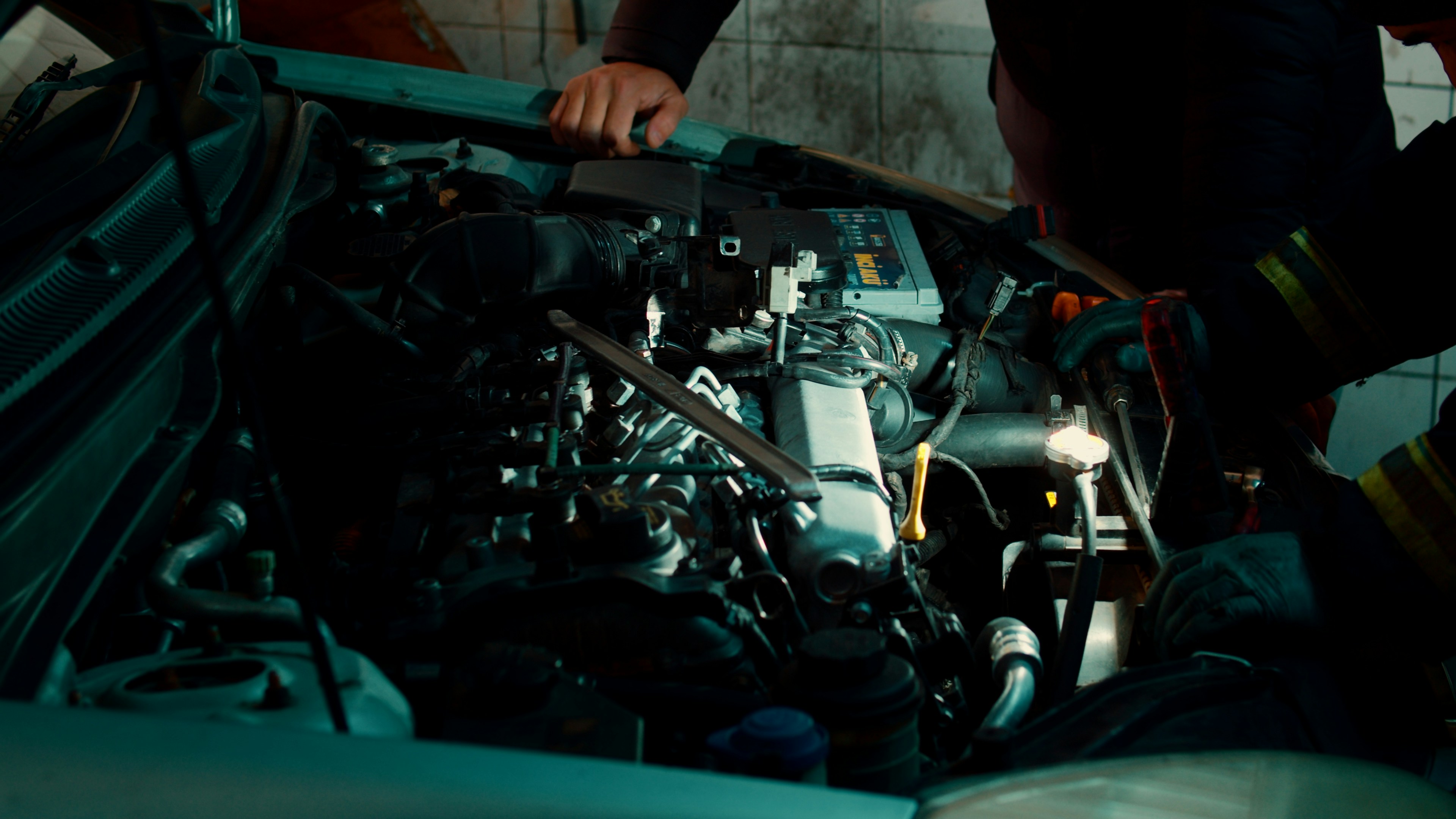
- Leak Detection: Technicians rely heavily on UV inspection lights to find leaks in crucial systems. After adding a fluorescent dye to the oil, coolant, hydraulic fluid, or refrigerant, they can scan the engine bay or airframe with a UV light. Any escaping fluid will glow brightly, making even the smallest, most intermittent leaks easy to pinpoint. This method is significantly faster and more accurate than visual inspection alone.
- Component Inspection: High-CRI white light is critical for inspecting wiring harnesses, identifying subtle differences in fluid colors, and spotting signs of wear or corrosion. For aviation, non-destructive testing (NDT) using UV light is a standard procedure to check for hairline cracks and metal fatigue in critical components like landing gear and turbine blades, ensuring the structural integrity of the aircraft.
HVAC and Industrial Maintenance Technicians in heating, ventilation, and air conditioning (HVAC) and other industrial settings face similar challenges.
- Refrigerant and Fluid Leaks: Finding refrigerant leaks in large commercial systems can be like searching for a needle in a haystack. UV leak detection dye is introduced into the system, and a powerful UV flashlight allows the technician to quickly scan coils, pipes, and fittings, even at a distance, to find the exact source of a leak.
- Quality Control: In manufacturing, UV lights can be used to check for the proper application of conformal coatings on circuit boards or to find microscopic defects in metal parts, ensuring product quality and reliability. Powerful, portable work lights are essential for illuminating large machinery and confined spaces during maintenance and repair.
Forensic Science and Law Enforcement For crime scene investigators, an alternate light source (ALS), which often includes UV, blue, and other specific wavelengths, is a vital tool for uncovering otherwise invisible evidence.
- Evidence Detection: At a crime scene, UV light can reveal biological evidence such as blood, saliva, and semen, as well as fibers and some drug residues. This allows investigators to identify and collect evidence that would be missed by the naked eye.
- Document Examination: UV lights are used to spot alterations in documents or to authenticate them by revealing hidden security features that fluoresce. Different ink formulations often react differently to UV light, which can help expose forgeries.
Table: Professional Applications of Inspection Lights
| Industry / Profession | Primary Use of White Light | Primary Use of UV Light | Key Benefits |
|---|---|---|---|
| Automotive Technician | Inspecting wiring, checking for corrosion, illuminating engine bays and undercarriages. | Detecting leaks in oil, coolant, and A/C systems; NDT for cracks. | Improved accuracy, faster diagnostics, prevention of major failures. |
| Aviation Maintenance | Inspecting airframes and systems for wear; detailed component examination. | Non-destructive testing (NDT) for stress cracks, metal fatigue, and hydraulic leaks. | Enhanced safety, compliance with strict regulations (e.g., ASTM E3022), reduced maintenance time. |
| HVAC Technician | Inspecting ductwork and internal components in dark, confined spaces. | Pinpointing refrigerant leaks in residential and commercial A/C systems. | Saves time, reduces refrigerant loss, ensures system efficiency. |
| Forensic Investigator | General scene illumination, searching for trace evidence. | Detecting bodily fluids, latent fingerprints (with dye), and document tampering. | Non-destructive evidence discovery, increased evidence recovery rate. |
| Art Conservation | Examining surface textures and colors for restoration planning. | Identifying repairs, modern pigments on antique pieces, and material composition. | Authentic restorations, fraud detection, and accurate historical analysis. |
In these specialized fields, a high-performance inspection light is a force multiplier. It enhances a professional's senses, empowering them to work with greater precision, speed, and confidence.
The Definitive Advantage: Why Dedicated Inspection Lights Outperform General Alternatives
In a world where the smartphone is a jack-of-all-trades, it's tempting to think its built-in flashlight is "good enough" for inspection tasks. However, when it comes to a job that requires precision, durability, and specialized capabilities, there is no substitute for a dedicated inspection light. The difference in performance is not incremental; it is a fundamental gap in capability, safety, and efficiency.
Superior Focused Performance Versus Consumer Devices like Smartphone UV Cameras
The LED on a smartphone is designed as a camera flash and a basic flashlight of convenience. It is not, and cannot be, a substitute for a dedicated inspection tool. The performance gap is evident across several key areas:
- Power and Brightness: A typical smartphone flashlight produces between 30 and 100 lumens. In contrast, even a compact EDC inspection light can produce several hundred lumens, with professional models easily exceeding 1,000 lumens. This vast difference in output is critical for properly illuminating a work area, inspecting components from a distance, or ensuring visibility in challenging conditions. The phone's light is simply too weak and unfocused for any serious task.
- Beam Quality and Control: A smartphone emits a wide, diffuse, and unfocused cone of light. It has no engineered reflector or lens to shape the beam. This results in a weak "hotspot" and poor "throw" (beam distance). A dedicated inspection light uses precision optics to create a controlled beam pattern—often a bright, focused center for direct illumination with a softer spill for peripheral vision. This provides clarity where it's needed without the excessive glare and light scatter of a phone's LED.
- Color Accuracy (CRI): The primary purpose of a smartphone camera's flash is to illuminate a scene for a photo. While some effort is made to produce a neutral white light, there is no guarantee of a high Color Rendering Index (CRI). The LEDs used are not optimized for accurate color representation, and their quality varies significantly between phone models. For a professional who needs to distinguish between similarly colored wires or fluids, the potentially poor CRI of a phone's light is a significant liability.
- The Myth of Smartphone UV: This is perhaps the most significant misconception. A standard smartphone LED cannot produce true ultraviolet (UV) light. The LEDs are physically incapable of emitting light at the 365nm or 395nm wavelengths required for fluorescence. "UV light apps" are uniformly fake; they are software gimmicks that at best apply a purple filter to the screen or use the phone's existing LED, neither of which produces actual UV radiation. Using a phone to check for fluid leaks, counterfeit currency, or forensic evidence is completely ineffective. It is a technological impossibility without specialized, external hardware.
- Durability and Practicality: Smartphones are fragile and expensive devices. They are not designed to be dropped, exposed to oil and chemicals, or used in wet and dirty environments. In contrast, a professional inspection light is built with an anodized aluminum body, impact-resistant lenses, and robust IP/IK ratings to handle the abuse of a worksite. Furthermore, its ergonomic design, magnetic base, and clip make it far more practical for hands-free use than a slippery smartphone.
Relying on a smartphone for a task that requires a real inspection light is not just inefficient—it can be unsafe, leading to missed defects, inaccurate assessments, and wasted time.
The Streamlined Efficiency of Multi-Functional Integrated Inspection Tools
The modern trend in professional tools is integration—combining multiple functions into a single, efficient device. A multi-functional inspection light is a prime example of this philosophy. By integrating powerful white light, precision UV, and other specialized modes into one rugged and portable body, these tools offer a level of streamlined efficiency that a collection of separate devices cannot match.
Benefits of an Integrated Tool:
- Reduced Toolkit Clutter: Instead of carrying a primary flashlight, a separate UV lamp, and perhaps another colored light for specific tasks, a technician can carry a single device. This lightens the load, saves space in a toolbox or on a utility belt, and keeps essential functions within immediate reach.
- Improved Workflow and Speed: When inspecting a system, a technician can switch from bright white light to UV light with the press of a button or the turn of a dial. There is no need to put down one tool and pick up another. This seamless transition between modes significantly speeds up the diagnostic process, allowing for faster and more fluid inspections.
- - Cost-Effectiveness: Purchasing one high-quality, multi-functional inspection light is often more economical than buying several separate, single-purpose lights. This is especially true when considering professional-grade tools built to last.
- Enhanced Preparedness: With features like strobe and SOS modes, an integrated inspection light is not just a work tool but also a safety device. A technician working in a remote or hazardous location is better prepared for an emergency with a single, reliable tool that can be used for illumination, signaling, and self-defense.
By embracing this all-in-one approach, manufacturers are providing professionals with tools that are not only more powerful but also smarter and more efficient. A multi-functional inspection light eliminates compromises, ensuring the user has the right light for every aspect of the job, all in the palm of their hand.
Frequently Asked Questions (FAQ)
Q1: What is the real difference between lumens and candela? Lumens and candela are two different but related ways to measure a light's output. Lumens measure the total amount of visible light emitted from the source in all directions—think of it as the total "volume" of light. Candela measures the peak intensity of the light in a specific direction—think of it as the "punch" or focus of the beam. A light with high lumens is great for illuminating a wide area (a floodlight), while a light with high candela is great for seeing objects at a distance (a spotlight). For inspection, a good balance of both is often ideal.
Q2: Why is a high CRI (Color Rendering Index) so important for an inspection light? A high CRI is crucial because it determines how accurately a light source shows the true colors of an object. A light with a low CRI can make colors appear distorted or washed out. In professional settings like automotive repair or electrical work, this is a major safety concern. For example, a low-CRI light could make a red wire look brown, leading to a dangerous mistake. For any task that requires precise color identification, an inspection light with a CRI of 90 or above is highly recommended to ensure you are seeing everything exactly as it is, which reduces errors and eye strain.
Q3: What is the best UV wavelength for general inspection, 365nm or 395nm? For most professional inspection applications, 365nm is the superior wavelength. Although both fall within the UV-A range, 395nm light emits a significant amount of visible purple light, which can contaminate the view and make it harder to see the faint fluorescence of the material you're inspecting. In contrast, 365nm light produces much "cleaner" UV with minimal visible light, making the glow from fluorescent dyes, fluids, or security features appear much brighter and with higher contrast. While 395nm lights are often cheaper, 365nm is the standard for reliable, professional-grade results in fields like NDT, forensics, and leak detection.
Q4: Can my smartphone's camera or a "UV app" really function as a UV light? No, absolutely not. Standard smartphone LEDs are physically incapable of producing light in the ultraviolet spectrum. So-called "UV light apps" are gimmicks that do nothing more than put a purple filter on your screen or use the existing white/blue visible light from the phone's LED. Neither of these can cause fluorescence. While a smartphone's camera sensor might be able to detect some near-UV radiation, it cannot emit it. You need a dedicated light source with a UV LED to perform any legitimate UV inspection.
Q5: What do IP and IK ratings mean, and why do they matter for an inspection light? IP and IK ratings are international standards that measure a device's durability.
- IP Rating (Ingress Protection) tells you how well the light is sealed against solids (dust, dirt) and liquids (water). The first digit rates solid protection (6 is dust-tight) and the second rates liquid protection (7 denotes protection from temporary immersion, 8 from continuous submersion). A rating like IP67 is excellent for a work light.
- IK Rating (Impact Protection) measures resistance to mechanical impact. The scale runs from IK00 (no protection) to IK10 or higher. An IK08 rating can withstand a significant drop, making it suitable for tough workshop environments. These ratings matter because they give you a reliable, standardized measure of how tough an inspection light is. For professional use, you want a light that won't fail if it's dropped, rained on, or exposed to dust.
Conclusion
In conclusion, the evolution of inspection light technology has produced versatile tools that significantly enhance our ability to scrutinize and understand our surroundings with unmatched clarity. These are no longer just simple flashlights but sophisticated instruments that blend immense power with surgical precision.
These devices, characterized by their robust design, powerful and color-accurate illumination, and precise specialized functions like UV light, are no longer just aids but essential instruments for both everyday and professional inspection needs. They empower technicians to diagnose issues faster, allow investigators to uncover hidden evidence, and provide daily users with a level of insight that was previously unattainable.
As we look to the future, we anticipate continued innovations in inspection light technology. We can expect even greater efficiency, more integrated functionalities, and smarter controls that will further refine our capacity to unveil the intricate details hidden within our world, ensuring a brighter and more informed view for all. We encourage you to share this article and join the conversation about how these remarkable tools are changing the way we see.