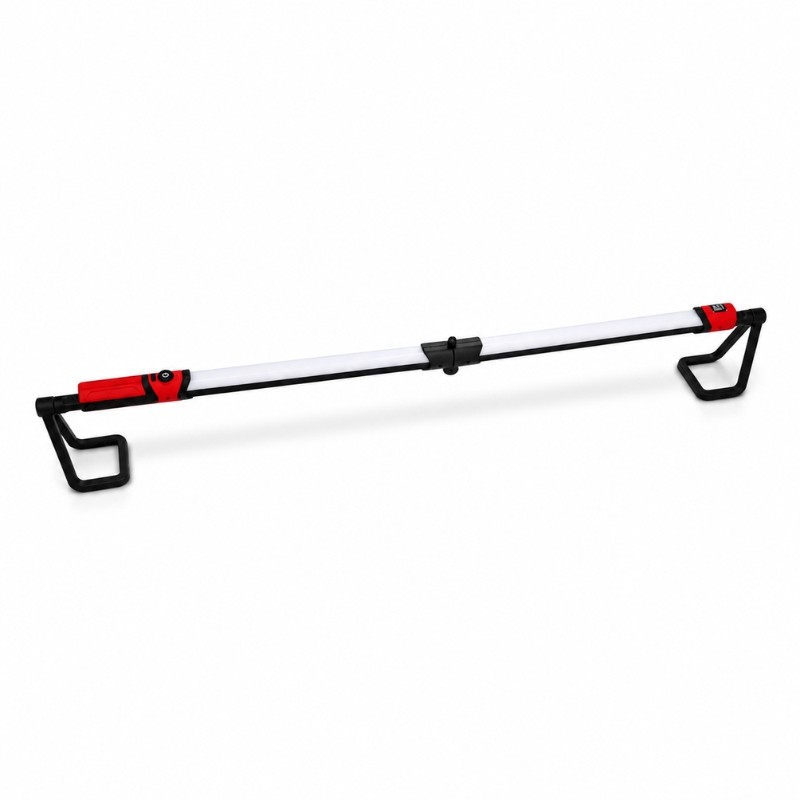
Illuminate Your Engine Bay: The Ultimate Guide to Under Hood Work Lights, Accessories, and Kits
Don't Get Left in the Dark: Why a Quality Under Hood Light is Non-Negotiable
Every mechanic, from the weekend DIYer to the seasoned professional, knows the frustration. You're deep in an engine bay, grease on your knuckles, trying to locate a pesky bolt, but your own head is casting a shadow over the exact spot you need to see. Balancing a phone on the fender or trying to aim a traditional flashlight is inefficient and unsafe. This is where a dedicated under hood work light transforms from a luxury to an absolute necessity. Unlike general-purpose lights, these are specifically designed to provide broad, consistent, hands-free illumination across the entire engine compartment, turning a shadowy cavern into a well-lit workspace.
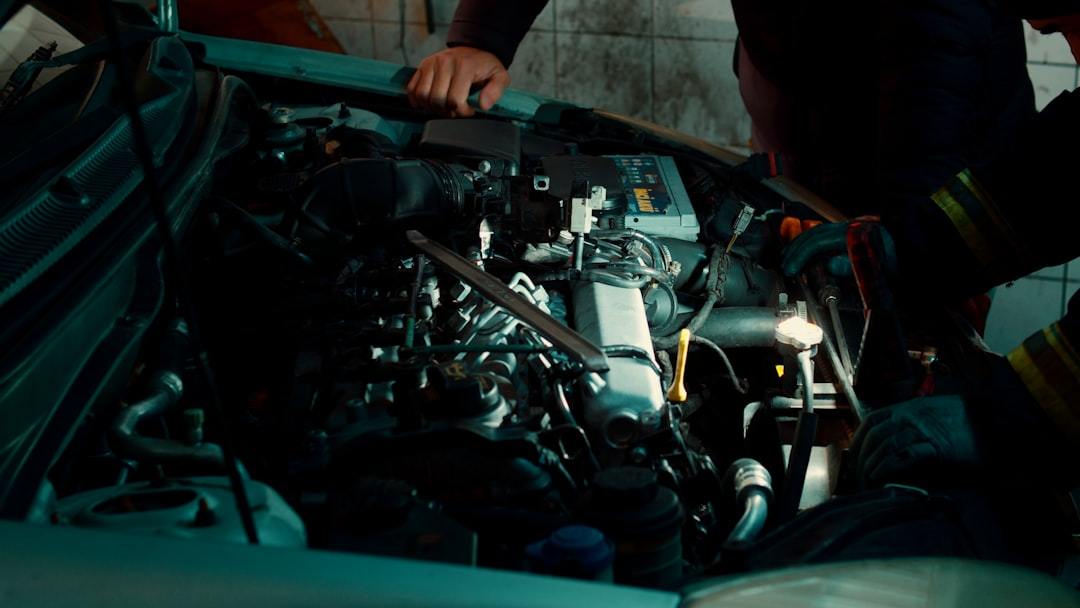
The Core of Illumination: Bar Lights vs. Strip Kits
When you start shopping, you'll find two main categories: all-in-one light bars and customizable DIY light kits. Each has its place depending on your needs.
- Under Hood Light Bars: These are the most common solution. They are typically long, rigid or foldable bars packed with LEDs. Most are rechargeable and feature extendable, spring-loaded brackets with padded hooks that latch onto the edges of your hood. This design allows for quick setup and use on various vehicle sizes.
- LED Strip Light Kits: For a more permanent and integrated solution, DIY kits are an excellent choice. These usually consist of a waterproof LED tape with a strong adhesive backing, wiring, a switch, and an in-line fuse. You can route them semi-permanently under the hood's structural bracing for a clean, built-in look that's always ready to go.
Cordless Freedom vs. Corded Reliability: The Power Source Debate
Choosing your power source is a critical decision that impacts convenience and runtime. Cordless, rechargeable models offer ultimate portability, powered by lithium-ion batteries. They are perfect for roadside emergencies or moving around a busy shop without getting tangled in cables. However, their runtime is finite. Corded lights, on the other hand, offer unlimited power but tether you to a wall outlet, which can be cumbersome.
Decoding the Specs: What to Look for in a Work Light
To choose the right light, you need to understand the key features that determine performance and usability. Don't just grab the first light you see; consider these factors to ensure you get a tool that truly meets your needs.
| Feature | What It Means | Why It Matters |
|---|---|---|
| Lumens | A measure of total light output (brightness). | Higher lumens (1000+) provide brighter, wider coverage. Multiple brightness settings (e.g., high/low) offer versatility and conserve battery. |
| Mounting Mechanism | How the light attaches to the vehicle. | Look for padded hooks, strong magnets, and rotating/pivoting features. Versatile mounting prevents scratches and allows you to aim the light precisely. |
| Battery Life & Type | The runtime on a single charge and the battery chemistry. | Lithium-ion (Li-ion) batteries are the standard, offering good power density. Look for runtimes of at least 3-4 hours on high and check the charging time (USB-C is a plus). |
| Durability | The light's resistance to impact, water, and chemicals. | A shatter-resistant polycarbonate lens and a durable housing (like aluminum) are essential. An IP rating (e.g., IP54) indicates resistance to dust and water splashes. |
Not All Light is Created Equal: Color Temperature and CRI
Beyond just brightness, the quality of the light is crucial for automotive work. Color Temperature, measured in Kelvin (K), determines if the light appears warm (yellowish) or cool (bluish). A daylight-balanced temperature (around 5000K-6000K) is ideal, as it renders colors naturally. This is closely tied to the Color Rendering Index (CRI), which measures how accurately the light reveals colors compared to sunlight. A high CRI is vital for identifying the correct color of wires or spotting subtle fluid leaks.
Beyond the Bar: Essential Under Hood Lamp Accessories
Accessories can greatly enhance the functionality of your work light. Many kits come with these included, but they can also be purchased separately. Key accessories include AC wall adapters and 12V DC car adapters for charging on the go, carrying cases for protection, and even tripods for using the light in other applications, such as under the vehicle or for interior work.
Versatility in Design: Detachable and Modular Lights
Some of the most innovative under hood lights feature a modular design. The main light bar might consist of two or more smaller, detachable lights. These individual modules often have their own magnets and hooks, allowing you to remove them from the main bracket and place them in tight spots like wheel wells or under the dashboard. This turns one tool into a complete lighting system for any automotive task.
Step-by-Step: Installing a DIY Under Hood LED Kit
Installing a permanent LED strip light is a rewarding project.
- Plan the Layout: First, determine the best location for the LED strip, ensuring it won't be pinched or interfere with any moving parts. A position that angles the light down at about 45 degrees often works best.
- Prepare the Surface: Thoroughly clean the mounting surface with a degreaser to ensure the 3M adhesive backing on the strip creates a strong bond.
- Mount the Switch: Install the on/off switch in a convenient, accessible location. Some kits use a pressure-sensitive plunger switch that automatically turns the light on when the hood opens.
- Run the Wires: Carefully route the wiring from the light and switch to the battery, using zip ties and protective wire loom to secure it along the hood's frame and away from hot or moving engine components.
- Connect to Power: Connect the positive wire to the battery (with the included in-line fuse) and the negative wire to a solid chassis ground. Always connect the fuse holder close to the battery for maximum safety.
Safety and Maintenance for Longevity
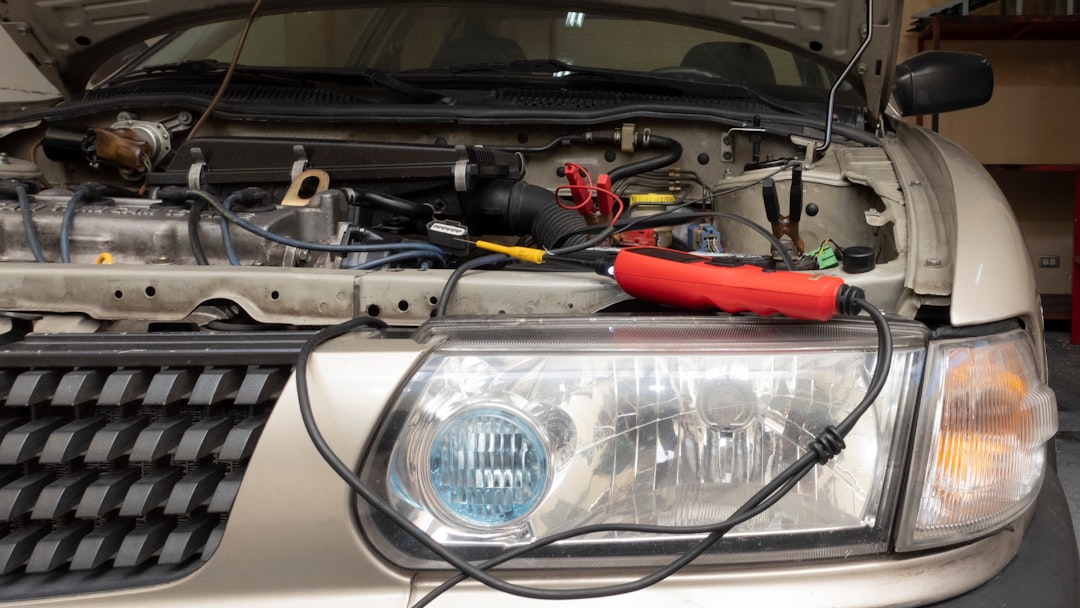
To get the most out of your investment, a little care goes a long way. Always ensure your light is cool before storing it. Keep the lens clean from grease and grime, as this can reduce light output. For rechargeable models, avoid leaving the battery completely drained for long periods. If your light has padded hooks, regularly inspect the foam or rubber to ensure it's intact to prevent scratching your vehicle's paint.
More Than Just Engine Bays: Other Uses for Your Light
A great under hood light is incredibly versatile. Its design makes it perfect for illuminating car interiors for detailing, lighting up the trunk, or even being used for household projects. The ability to mount it hands-free makes it a valuable tool far beyond the garage. You can use it when working on lawnmowers, snow blowers, or during a power outage.
Conclusion: The Bright Choice for a Better Workflow
Working on a vehicle shouldn't be a struggle against darkness. A high-quality under hood work light is a fundamental tool that enhances safety, improves efficiency, and reduces the stress of any repair or maintenance task. By considering factors like brightness, mounting options, power source, and durability, you can select a lighting system or kit that will serve you reliably for years to come. Illuminate your workspace properly and see the difference it makes.