How Automotive Neck Lights Enhance Low-Light Task Performance
Have you ever found yourself squinting in dim light while trying to fix something in your car? I know I have. Working on vehicles, especially in tight or poorly lit areas, can be incredibly frustrating and even compromise safety. That's where an automotive neck light comes in – let's explore how these ingenious devices can revolutionize your low-light task performance.
Key Takeaways
For those short on time, here are the essential points on how automotive neck lights transform your work:
- Hands-Free Operation: They free up both of your hands, allowing for greater precision, safety, and efficiency compared to holding a flashlight.
- Superior Illumination: Dual, adjustable light heads significantly reduce shadows, providing clearer and more consistent visibility than single-source lights like headlamps.
- Ergonomics and Comfort: A lightweight, flexible design minimizes neck strain, making them suitable for long hours of work.
- Task-Specific Features: Look for adjustable brightness (lumens), color temperature (Kelvin/CRI) for color accuracy, long battery life with USB-C charging, and a high IP rating for durability against dust and moisture.
- Increased Productivity & Safety: Better visibility leads to faster task completion, reduced eye strain, and fewer mistakes or accidents in the workshop.
The Frustration of Darkness: How an Automotive Neck Light Solves Common Lighting Woes
Anyone who has spent time working on a car knows that a lack of good lighting is more than an inconvenience; it's a major roadblock to efficiency and safety. The intricate and often cramped spaces of an engine bay or undercarriage become a maze of shadows and unseen obstacles. This is where the battle against darkness begins, and why the neck light mechanic for illumination is as critical as any wrench or socket.
Why Traditional Work Lights Fall Short in Automotive Environments
For decades, mechanics have relied on a handful of traditional lighting solutions, each with significant drawbacks in an automotive setting.
- Corded Drop Lights: While powerful, these lights are cumbersome. Their cords are a constant tripping hazard, get snagged on vehicle parts, and limit your range. Older halogen models also generate intense heat, posing a burn risk and a fire hazard if they come into contact with flammable fluids.
- Handheld Flashlights: The most obvious limitation is that they occupy one of your hands. This is incredibly inefficient when a task requires two hands for tools, parts, and stability. Moreover, finding a stable, secure spot to prop a flashlight often results in it rolling away or casting light in the wrong direction. Many have tried the "flashlight in the mouth" technique, which is neither comfortable nor sanitary.
- Headlamps: While freeing up the hands, headlamps have their own set of problems. The strap can become uncomfortable and tight during long jobs, and it often gets tangled in hair or soaked with sweat and grime. More importantly, because the light source is on your forehead, it often casts shadows from your own brow or the very components you are trying to see, especially when looking down into an engine bay. The light also moves with every turn of your head, which can be disorienting for precise tasks and can inadvertently blind coworkers.
Traditional fluorescent shop lights also present issues, such as flickering, delayed start-up in cold weather, and less-than-ideal light quality for detailed work. It's clear that while these tools can provide light, they are not optimized for the unique challenges of automotive repair.
The Hands-Free Advantage: Precision Illumination from an Automotive Neck Light
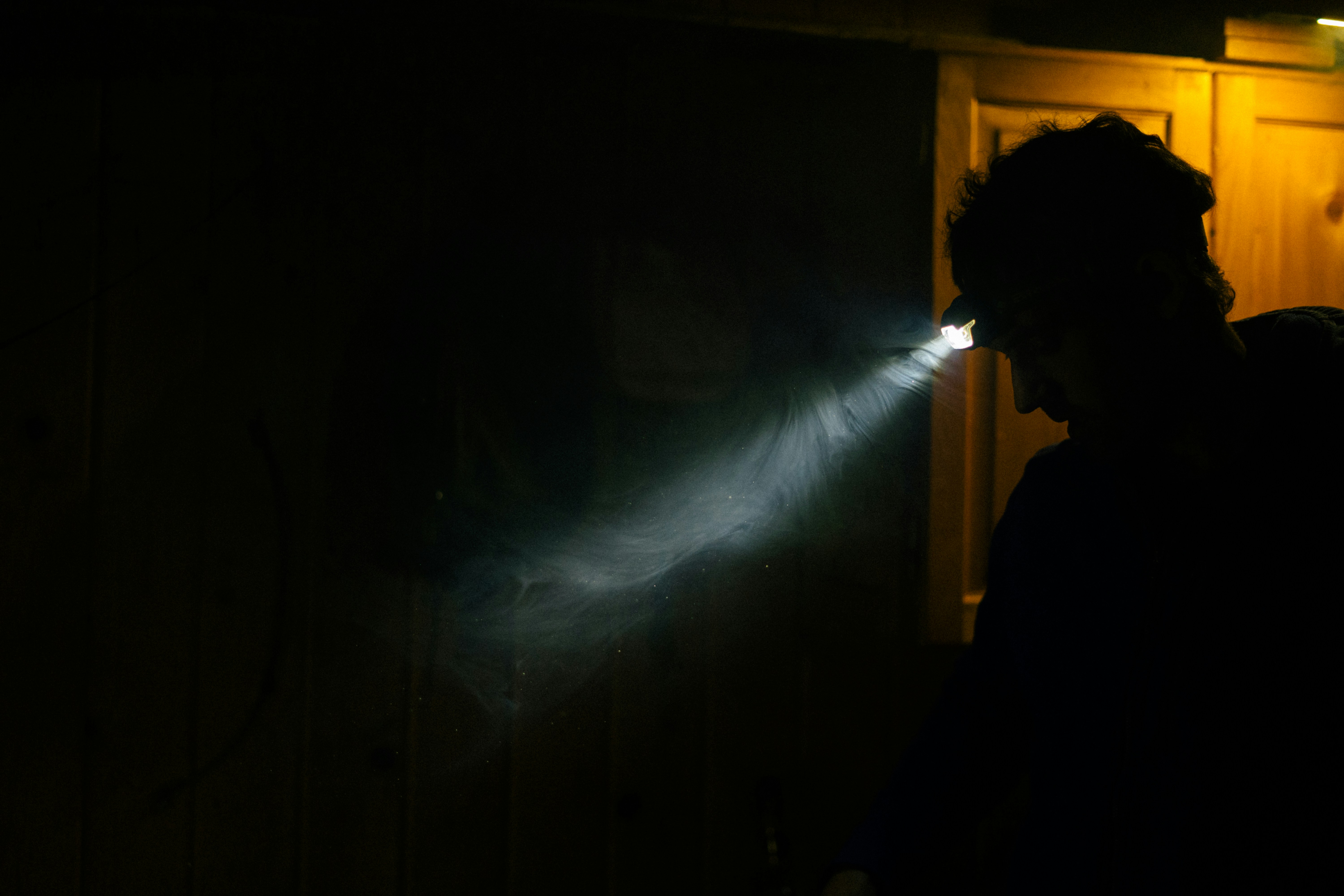
The single most significant benefit of an automotive neck light is the liberation of your hands. In mechanics, nearly every task—from loosening a stubborn bolt to disconnecting a delicate electrical connector—requires the use of both hands. Juggling a traditional flashlight is not just clumsy; it directly hinders your ability to perform the job safely and correctly.
A neck light rests comfortably around your shoulders, directing light exactly where you are working without requiring any manual adjustment. This hands-free operation allows you to:
- Improve Precision: With both hands dedicated to the task, you can manipulate tools and parts with greater control. This is crucial for intricate jobs like threading bolts in tight spaces or handling sensitive wiring harnesses, where a single slip could cause damage.
- Work Faster: You eliminate the time wasted constantly repositioning a separate light or fumbling in the dark. The light moves with your body, keeping your work area consistently illuminated and allowing you to find tools and identify components without delay.
- Enhance Safety: Keeping your hands free is essential for maintaining three points of contact when working under a lift, preventing falls, and allowing you to react quickly if a tool slips or a part moves unexpectedly.
The light source remains stationary relative to your body, meaning it doesn't move with every minor turn of your head like a headlamp does. This creates a stable field of light, which is less distracting and allows for better focus on the work at hand.
Eliminating Shadows for Clearer Vision and Safer Work
A major flaw of single-point light sources like flashlights and headlamps is their tendency to create harsh shadows. When working in a cluttered engine bay, your own hands, tools, or other components can block the light, casting a shadow right where you need to see. This can obscure small but critical details like leaks, cracks, or alignment marks.
Automotive neck lights uniquely solve this problem through dual-point illumination. With two independent light heads positioned on either side of your neck, they project light onto your work area from two different angles. This design principle is similar to how surgical lights work, and it has a powerful effect:
- Shadow Cancellation: Light from the left source fills in shadows created by the right source, and vice versa. This triangulation of light significantly reduces or eliminates shadows, providing a clear, evenly lit view of your workspace.
- Enhanced Depth Perception: Seeing an object illuminated from multiple angles improves your brain's ability to perceive its three-dimensional shape and position, making it easier to judge distances and handle components.
- Full Coverage: You can aim one light for a broad, "flood" style beam to illuminate the general area and the other for a focused, "spot" beam on the specific bolt or wire you're working on. This combination ensures you have both context and detail.
By getting rid of performance-hindering shadows, a neck light ensures that what you see is what is actually there, reducing the chance of errors and making the entire repair process safer and more accurate.
Ergonomics and Comfort: Designing the Perfect Automotive Neck Light for You
For a tool to be truly effective, especially one worn on the body, it must be comfortable and intuitive to use for extended periods. A poorly designed light that causes strain or is difficult to adjust will quickly be abandoned. The best automotive neck lights are engineered with a focus on ergonomics, ensuring they feel like a natural extension of the user rather than a burden.
Lightweight Design and Flexible Fit for Extended Use
A critical ergonomic factor is weight. A heavy light worn around the neck will cause noticeable strain and fatigue over the course of an eight-hour workday. High-quality automotive neck lights are therefore constructed from lightweight yet durable materials like advanced polymers and aluminum alloys. The goal is to create a tool that is so light you barely notice it's there.
Equally important is the fit. Look for models with a flexible, soft-touch band, often made of skin-safe silicone. This allows the light to conform comfortably to the user's neck and shoulders without applying pressure. A good design will feel secure without being tight, staying in place even when you are leaning over an engine bay or working underneath a vehicle on a creeper. This ergonomic design is crucial, as poor lighting can force you into unnatural postures that lead to muscle tension and chronic pain in the neck and shoulders.
Adjustable Beams and Brightness Settings for Diverse Tasks
Automotive work is not one-size-fits-all, and neither should your lighting be. Different tasks require different types of illumination. A premium automotive neck light offers adjustability to match the job at hand. This typically includes:
- Pivoting Light Heads: Each light head should be independently adjustable, often with a wide pivot range (e.g., 70-90 degrees). This allows you to aim the light precisely where it's needed, regardless of your body's orientation.
- Selectable Beam Patterns: The ability to switch between a wide "flood" beam and a narrow "spot" beam is incredibly useful. A flood setting is perfect for illuminating a broad work area, like an entire wheel well, while a spot setting provides a concentrated beam for pinpointing a specific bolt or checking for a hairline crack.
- Variable Brightness Levels: Not every task requires maximum brightness. In fact, too much light can cause reflective glare off metal surfaces, leading to eye strain. Well-designed neck lights offer multiple brightness settings (e.g., low, medium, high) so you can dial in the perfect amount of light, balancing visibility with comfort and battery life.
This level of control prevents eye fatigue and ensures you always have the optimal lighting for maximum precision.
| Feature | Flood Beam | Spot Beam |
|---|---|---|
| Beam Angle | Wide (e.g., 120°) | Narrow (e.g., 30°) |
| Best For | General area illumination, undercarriage work, interior panels | Pinpoint inspections, tracing wires, reading part numbers |
| Effect | Creates a soft, even spread of light with fewer hot spots | Delivers intense light over a longer, more focused distance |
Durability and IP Ratings: Essential Features for an Automotive Neck Light
A garage or workshop is a demanding environment. Tools are inevitably dropped, exposed to dust, and splashed with fluids like oil, coolant, and brake cleaner. A neck light designed for automotive use must be built to withstand these conditions.
Key durability features to look for include:
- Impact-Resistant Housing: The body of the light should be made from tough materials like ABS plastic or nylon polymers that can survive accidental drops onto a concrete floor.
- Chemical-Resistant Materials: The lenses and housing should be resistant to common automotive chemicals that can degrade or cloud lesser plastics over time.
- IP (Ingress Protection) Rating: This is a standardized rating that tells you how well a device is protected against solids (like dust) and liquids. An IP rating consists of two numbers:
- The first digit (0-6) indicates protection against solid particles. A rating of 5 or 6 is ideal, signifying it is dust-protected or dust-tight.
- The second digit (0-9) indicates protection against liquids. For a workshop, a rating of at least 4 (IPX4), which protects against splashing water from any direction, is recommended to handle splashes of coolant or washer fluid.
A higher IP rating, such as IP54, indicates a product that is well-protected from both dust and water splashes, ensuring a long and reliable service life in a demanding automotive shop environment.
Boosting Productivity and Safety: My Experience with an Automotive Neck Light
Transitioning to an automotive neck light isn't just about better visibility; it's about fundamentally changing the way you work. In my experience, the tangible benefits in productivity and safety became apparent almost immediately. It quickly went from being a novel gadget to an indispensable part of my toolkit, as essential as my favorite ratchet.
Faster Task Completion through Enhanced Visibility
The old saying "you can't fix what you can't see" is the simple truth in auto repair. Before I started using a neck light, I would lose precious minutes on almost every job just trying to get adequate lighting. I’d be repositioning a clunky drop light, asking a coworker to hold a flashlight, or contorting my body to get a headlamp to shine past an obstacle.
With an automotive neck light, the game changed. Having consistent, shadow-free, hands-free light directly on my work area made an immediate impact.
- Finding Dropped Items: A dropped bolt or socket that once would have required a 10-minute search with a separate flashlight can now be spotted in seconds.
- Identifying Issues: Tracing a fluid leak or inspecting for a frayed wire becomes much faster when the area is clearly illuminated, allowing for quicker diagnosis.
- Reading Markings: Part numbers, torque specs, and alignment marks are easy to read without squinting or needing a secondary light source.
While a few minutes saved on each task may not sound like much, it adds up significantly over a day, a week, or a year. Studies have shown a direct link between the quality of workplace lighting and productivity, with some showing that improved lighting can increase productivity by 10% and reduce errors by 30%. In my experience, completing tasks more quickly doesn't just mean more jobs finished; it means less frustration and a more streamlined workflow.

Reducing Eye Strain and Preventing Accidents
Working for hours in poorly lit conditions takes a significant toll. Before using a proper hands-free light, I often finished my day with headaches and tired, burning eyes. This is a classic symptom of digital eye strain, also known as Computer Vision Syndrome, which occurs from prolonged focus in suboptimal lighting. Constantly squinting and straining to see in dim, shadowy environments forces your eyes to work harder, leading to physical discomfort and fatigue. Good lighting is not just about comfort; it's a critical component of workplace safety.
Poor illumination is a direct contributor to accidents in a workshop setting.
- Trips and Falls: A misplaced tool, a stray cord, or a small puddle of spilled fluid can easily be missed in a dimly lit area, leading to dangerous slips and falls.
- Misinstrumentation: Misreading a torque wrench setting, using the wrong size socket, or failing to see if a component is properly seated can lead to damaged parts or comebacks.
- Personal Injury: The risk of cuts, burns, or other injuries increases when visibility is compromised. A clear line of sight to sharp edges, hot exhaust components, and moving machinery is essential.
Since incorporating a neck light, I've noticed a dramatic reduction in eye fatigue at the end of the day. The clear, bright, and consistent light makes it easier to focus, and the hands-free design prevents me from having to adopt awkward postures to get a better view. The National Institute for Occupational Safety and Health (NIOSH) reports that about 2,000 U.S. workers have job-related eye injuries requiring medical treatment each day, and it's believed that proper eye protection could prevent 90% of them. By ensuring my workspace is well-lit, I am proactively reducing my risk of becoming one of those statistics.
The Versatility of an Automotive Neck Light Beyond the Garage
While I initially got my neck light specifically for automotive work, I was surprised by how often I started reaching for it for other tasks. Its hands-free, targeted illumination is a problem-solver in countless situations outside the professional garage. The same frustrations of darkness, shadows, and needing a free hand exist in many other areas.
I've found my neck light to be an invaluable tool for:
- Home Repairs: Whether I'm working on plumbing under a cramped and dark sink, navigating a dusty attic, or doing electrical work inside a breaker panel, the neck light provides perfect illumination without the hassle of propping up a flashlight.
- DIY Projects & Hobbies: For intricate hobbies that require close-up work—like model building, electronics soldering, or even knitting and crocheting—the shadow-canceling, focused light is a huge benefit.
- Outdoor and Recreational Activities: It has become my go-to light for walking the dog at night, providing light to see my path while keeping my hands free to hold the leash. It's also fantastic for camping, allowing me to set up a tent or cook in the dark without fumbling with a lantern.
- Emergencies: During a power outage, a neck light is far superior to candles or a handheld flashlight. It provides steady, directed light, leaving hands free to find supplies, check on family, or navigate the house safely.
This versatility makes an automotive neck light not just a specialized tool for mechanics, but a powerful, all-purpose lighting solution for homeowners, hobbyists, and just about anyone who needs to tackle tasks in low-light conditions. It's a prime example of a tool that, once you have it, you'll wonder how you ever managed without it.
Choosing Your Ideal Automotive Neck Light: Key Features to Consider
Not all neck lights are created equal. While the basic concept is the same, the features and quality can vary dramatically. To ensure you get a tool that genuinely enhances your work rather than causing frustration, it’s crucial to look for specific features tailored to the demands of an automotive environment.
Lumens and Color Temperature: What Matters Most?
When evaluating an automotive neck light, two of the most important specifications are lumens and color temperature. While they sound technical, they have very practical implications for how well you can see.
Lumens (lm): The Measure of Brightness Lumens measure the total amount of light output from a source. More lumens mean a brighter light. However, "brighter" isn't always "better."
- General Tasks: For general work in an engine bay or under a car, a combined output of 300-600 lumens is typically sufficient.
- Detailed Inspections: For high-precision tasks like inspecting for hairline cracks or reading faded markings, a higher output of up to 1000 lumens can be beneficial, but it's important that this brightness can be dimmed to prevent glare.
The key is having an adjustable lumen output. Too many lumens in a tight, reflective space can cause blinding glare, while too few will leave you squinting.
Color Temperature and Color Rendering Index (CRI): The Measure of Light Quality This is arguably more important than sheer brightness for automotive work.
- Color Temperature (Kelvin or K): This measures how "warm" (yellowish) or "cool" (bluish) the light appears. For technical work, a neutral or cool white light between 4000K and 5500K is ideal. This range mimics natural daylight, which helps keep you alert and renders colors more accurately than warm, yellow light.
- Color Rendering Index (CRI): This is a scale from 0 to 100 that measures how accurately a light source reveals the true colors of an object compared to natural sunlight. For a mechanic, a high CRI is non-negotiable. Modern vehicles use complex wiring harnesses with dozens of different colored wires. A low-CRI light can make a purple wire look brown or an orange wire look red, leading to dangerous and costly diagnostic errors. Always look for a neck light with a CRI of 90 or higher to ensure you can distinguish colors confidently.
| Light Specification | What it Measures | Recommendation for Mechanics | Why it Matters |
|---|---|---|---|
| Lumens (lm) | Brightness/Light Output | 300-1000 lm (adjustable) | Provides sufficient brightness for various tasks without causing glare. |
| Color Temp (K) | Warmth/Coolness of Light | 4000K - 5500K | Mimics natural daylight, improving alertness and visual clarity. |
| CRI | Color Accuracy | 90+ | Ensures accurate identification of wire colors and fluid leaks, preventing critical errors. |
In the end, a balance is key. A 500-lumen light with a 95 CRI is far more useful for a mechanic than a 1500-lumen light with a 70 CRI.
Battery Life and Charging Convenience
In a professional setting, a tool is only useful if it's ready when you need it. Battery-powered neck lights have thankfully moved away from disposable batteries, which are costly and wasteful. When choosing a rechargeable model, here's what to prioritize:
- Runtime: The light should be able to last through a significant portion of your workday. Look for models that offer at least 4-8 hours of runtime on a medium setting. Some high-end models can last even longer on lower brightness levels. A clear battery life indicator is also a crucial feature, preventing you from being caught by a dead battery mid-job.
- Charging Time: Look for lights with reasonably fast charging times, typically in the range of 2-4 hours for a full charge. This allows you to easily recharge the device during a lunch break or overnight.
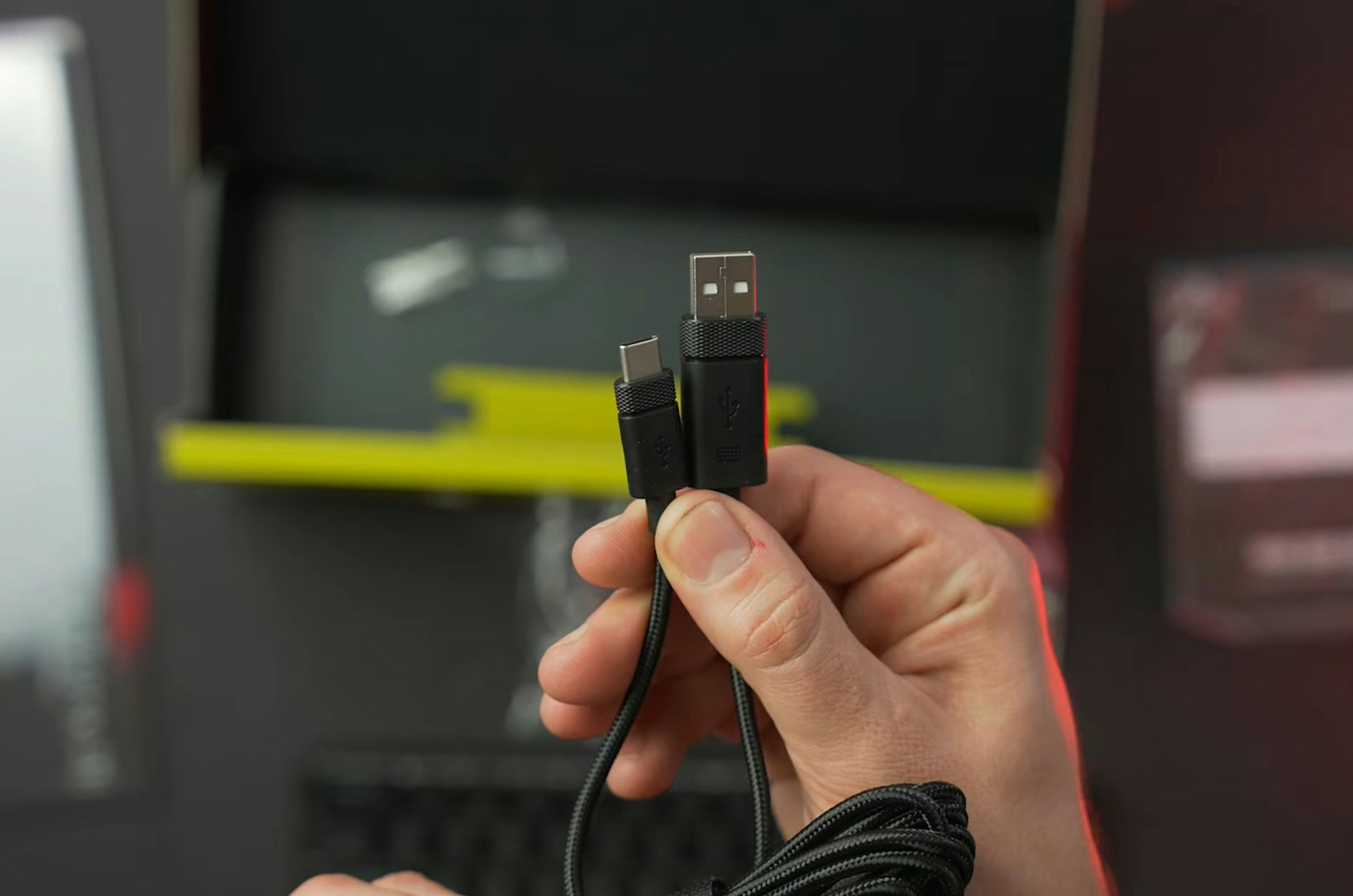
- Charging Method (USB-C is King): The type of charging port is a major convenience factor. USB-C is the modern standard and offers several key benefits:
- Universal Compatibility: The same cable that charges your phone, tablet, and other devices can charge your neck light. This minimizes cable clutter in your toolbox and means you're never scrambling to find a proprietary charger.
- Reversible Connector: The USB-C plug can be inserted either way, making it less frustrating to connect in the dark.
- Power Delivery (PD): USB-C supports faster charging speeds compared to older micro-USB ports, getting your light back in action quicker.
Some models even feature replaceable rechargeable batteries (often a standard 18650 cell), which is a huge plus for professionals. This allows you to swap in a fresh battery and continue working without being tethered to a charging cable.
Smart Features: From Magnetic Attachment to Red Light Modes
Beyond the core functions, several "smart" features can dramatically increase the versatility and convenience of an automotive neck light. While not essential for everyone, these thoughtful additions are often what separate a good tool from a great one.
Magnetic Features: Some of the most innovative neck lights feature magnets, adding a new dimension of utility.
- Magnetic Base: A strong magnet on the back of the neckband allows you to detach the light from your neck and mount it directly to any ferrous metal surface, like the underside of a hood, a fender, or a toolbox. This transforms your neck light into a stationary, aimable work light.
- Detachable Magnetic Lights: Some high-end models have light heads that completely detach from the neckband. These individual light pods often have their own magnetic bases, allowing you to place two separate, tiny work lights in hard-to-reach places while still wearing the neckband to hold them when not in use.
Red Light Modes: A feature once found primarily on high-end headlamps for tactical or astronomical use, red light mode is surprisingly useful in an automotive context. Your eyes' pupils constrict in bright white light, which ruins your natural night vision. Red light has a much gentler effect.
- Preserving Night Vision: If you need to briefly check something in a dark cabin or engine bay without wanting to be blinded when you turn the light off, red light is the perfect solution. It illuminates enough to see without forcing your eyes to readjust to the darkness afterward.
- Reducing Glare: Red light is less reflective than white light, making it useful for inspecting components inside a dashboard or behind a console where white light would create too much glare.
- Signaling: A flashing red light mode can also serve as a safety beacon during a roadside emergency, increasing your visibility to other drivers.
Other Convenient Features:
- Memory Function: This feature remembers your last-used brightness setting, so you don't have to cycle through all the modes every time you turn the light on.
- Lightweight and Sporty Design: A sleek, unobtrusive design makes the light more comfortable and less cumbersome to wear.
When choosing your neck light, consider which of these features will genuinely benefit your workflow. For me, the magnetic base has been a game-changer, effectively giving me two types of lights in one.
Frequently Asked Questions (FAQ)
Q: Are automotive neck lights better than headlamps for car repair? A: For many automotive tasks, yes. Neck lights offer dual-point illumination that significantly reduces shadows, a major problem with headlamps. They also avoid the discomfort of a tight headband and don't blind coworkers when you turn your head. However, a headlamp might be better for tasks where you need the light to follow your direct line of sight consistently, like when looking straight up from underneath a car.
Q: How many lumens do I need for an automotive neck light? A: Look for a model with an adjustable output between 300 and 600 lumens for most tasks. Higher outputs are useful but can cause glare, so dimming ability is essential. More importantly, prioritize a high Color Rendering Index (CRI) of 90+ to ensure you can accurately identify wire colors.
Q: What IP rating is necessary for a garage environment? A: A minimum rating of IPX4 is recommended, which protects against splashing water from any direction. For a more durable and professional-grade tool, an IP54 rating is ideal, as it offers protection from both dust ingress and water splashes, making it robust enough for a busy workshop.
Q: Can I use a neck light for activities other than car repair? A: Absolutely. Their hands-free, targeted illumination makes them incredibly versatile for home repairs (plumbing, electrical), DIY projects, hobbies like crafting or electronics, camping, walking the dog at night, and during power outages.
Conclusion
As I've shared, incorporating an automotive neck light into your toolkit is more than just a convenience—it's a significant upgrade to your work efficiency and safety. From intricate repairs to routine maintenance, these lights offer unparalleled hands-free, focused illumination that traditional methods simply can't match. The ability to eliminate shadows, keep both hands on the job, reduce eye strain, and improve overall productivity makes this tool a worthy investment for any professional mechanic or serious DIYer.
I encourage you to experience the difference an automotive neck light can make; it will undeniably enhance your low-light task performance and quickly become one of the most-reached-for items in your toolbox. Share this article with a friend who's still working in the dark, and let us know in the comments about your own experiences with workshop lighting