Everything You Should Know About Color Match Light for Expert Vehicle Detailing
As professional detailers, we know that achieving perfect vehicle detailing goes beyond just cleaning; it's about meticulously identifying and correcting every single imperfection. That's precisely where a specialized tool, the color match light, becomes our indispensable secret weapon for delivering truly flawless results. In this comprehensive guide, I will share everything I've learned about effectively selecting and using a color match light to significantly elevate our vehicle detailing expertise.
Key Takeaways
- Lighting is Critical: Standard shop lights and natural daylight are unreliable for professional detailing as they can hide swirls, scratches, and paint defects.
- Understand the Specs: The most important features of a color match light are a high Color Rendering Index (CRI), adjustable Kelvin temperature, and variable brightness (lumens). Aim for a CRI of 95+ and a Kelvin range of 2500K to 6500K.
- Types of Lights: Different lights serve different purposes. Handheld lights are for spot-checking, headlamps offer hands-free operation, and stand lights illuminate large areas. A combination is often best.
- Master the Technique: A systematic inspection process, holding the light at a 45-degree angle to your eye, is crucial for effectively identifying and evaluating defects throughout the correction process.
- Beyond Defect Removal: Color match lights are also essential for verifying new paint applications, assessing paint fade, and ensuring invisible spot repairs by providing a true representation of color.
Understanding Why a Color Match Light is Essential for Flawless Detailing
The Limitations of Relying on Natural or Standard Shop Lighting
Many detailers, especially those starting out, rely on the sun or existing garage lighting to inspect their work. However, these common light sources are fundamentally flawed for professional paint correction. Natural sunlight, while having a high Color Rendering Index (CRI), is inconsistent. Its color temperature and angle change throughout the day, meaning a car that looks perfect in the morning might reveal flaws in the afternoon sun.
Standard shop lighting, such as fluorescent tubes or cheap LED fixtures, is even more problematic. These lights often have a low CRI, which means they do not accurately represent the true colors of objects. This can cause a freshly detailed car to look great indoors, only for the client to discover unseen swirls or color mismatches once they drive it outside. Furthermore, typical household or shop lights cast a "warm" yellow or "cool" blue light that can hide or distort imperfections. Halogen lights, a common choice for work lights, are particularly bad for detailing; they produce a very warm, orange-tinted light (around 2700K) that masks the true appearance of paint and can generate excessive heat, potentially causing the paint to swell during polishing.
Uncovering Hidden Imperfections: Swirls, Scratches, and Holograms with Your Color Match Light
The primary job of a detailer is to find and eliminate paint defects. Imperfections like fine swirl marks, micro-scratches, and buffer holograms are often invisible under poor lighting. A specialized color match light is designed specifically to reveal these problems. By using a focused, high-intensity beam with a specific color temperature, these lights make subtle defects "pop."
Swirl marks, which often look like fine, circular scratches, become glaringly obvious under a detailing light. Holograms or buffer trails, which are a common result of improper rotary polishing techniques, appear as a hazy, dancing pattern as you move the light across the panel. Without the ability to see these flaws clearly, it's impossible to correct them effectively. A color match light acts like an x-ray for your paint, revealing the true condition of the surface so you can address every issue.
Ensuring Consistent and Predictable Paint Correction Outcomes Every Time
Detailing is a process of refinement, and consistency is key to professional results. Working under inconsistent lighting introduces variables that lead to unpredictable outcomes. You might think you've fully corrected a panel, only to realize later under different lighting that you've missed spots or, worse, introduced new defects.
A color match light provides a controlled, repeatable environment for inspection. By using the same light source for your initial assessment, during the correction process, and for the final inspection, you create a baseline for quality. You can accurately gauge your progress after each polishing step, ensuring that you have fully removed the defects before moving on. This eliminates guesswork and ensures that the finish you see in the shop is the same flawless finish the customer sees in the sunlight. This consistency is what separates an amateur from a true professional and is fundamental to building a reputation for excellence.
Choosing the Right Color Match Light: Key Features and Specifications We Need to Look For
Decoding Color Rendering Index (CRI) and Kelvin Temperature for Optimal Accuracy
When selecting a color match light, the two most critical specifications to understand are the Color Rendering Index (CRI) and Kelvin temperature (K).
Color Rendering Index (CRI) is a scale from 0 to 100 that measures how accurately a light source reveals the true colors of an object compared to natural sunlight. A low CRI light will make colors appear dull or distorted; it's the reason a shirt can look like a different color in the store than it does outside. For detailing, where you need to see the most honest representation of the paint, a high CRI is non-negotiable. Look for lights with a CRI of 95 or higher. Anything less will compromise your ability to spot subtle color variations, paint fade, and certain types of defects.
Kelvin Temperature (K) measures the color appearance of the light itself, from warm to cool.
- Warm Light (~2700K): Has an orange or yellow hue, similar to a halogen bulb.
- Neutral White Light (~4000K-5000K): A balanced light that is often considered optimal for general defect viewing on most colors.
- Cool/Daylight (~6000K-6500K): Has a crisp, blue-white appearance that mimics bright daylight and is excellent for revealing defects on lighter-colored vehicles.
Professional detailing lights often offer adjustable Kelvin temperatures, allowing you to switch between settings. This is incredibly useful because different color temperatures can highlight different issues on various paint colors. For example, a warmer tone might be better for inspecting a white car to avoid "washing out" the surface, while a cooler daylight setting is great for dark cars. Being able to cycle through temperatures ensures you see the paint under multiple conditions before calling the job complete.
| Feature | What it is | Why it Matters for Detailing | Recommended Spec |
|---|---|---|---|
| CRI | A measure of color accuracy (0-100) | Reveals the true color of paint and highlights subtle defects. Low CRI hides problems. | 95+ |
| Kelvin | The color temperature of the light | Different temperatures expose different flaws on various paint colors. | Adjustable: 2500K - 6500K |
Considering Brightness (Lumens) and Beam Spread for Different Detailing Tasks
Brightness, measured in lumens, is the total amount of visible light emitted by a source. While it might seem like more is always better, excessive brightness can cause glare on a reflective surface like car paint, effectively hiding the very defects you're trying to find. The key is adjustable brightness.
For a handheld inspection light, a range of 500 to 2,000 lumens is generally the sweet spot, allowing you to dial up the intensity for dark, light-absorbing paints and dial it down for highly reflective silver or white cars. For larger stand lights that illuminate an entire side of a vehicle, outputs can range from 2,000 to 10,000 lumens or more.
Beam spread is also important. A narrow, focused beam is excellent for pinpointing specific, tiny defects, while a wider beam is better for inspecting larger areas and assessing the overall consistency of your work. Many high-quality lights offer an adjustable focus to switch between a tight spot and a wide flood.
The Importance of Portability, Battery Life, and Durability in Your Color Match Light
As a professional tool, a color match light needs to withstand the rigors of a detailing shop.
- Portability and Ergonomics: You'll be holding this light for long periods, so it should be lightweight, comfortable to grip, and easy to maneuver around a vehicle.
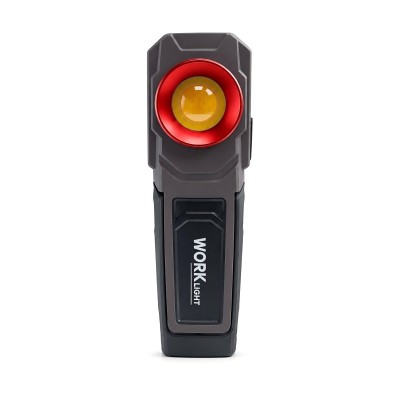
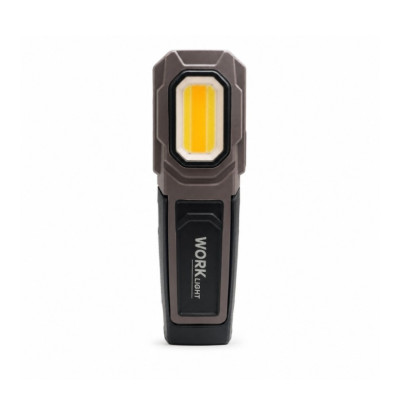
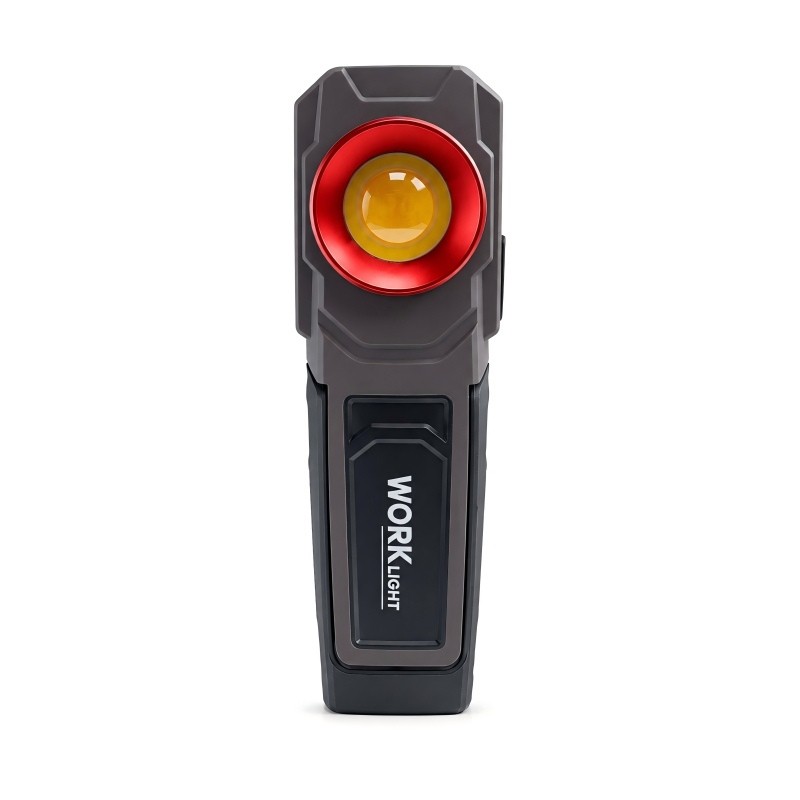
- Battery Life: Cordless operation is essential for convenience. Look for rechargeable lithium-ion batteries that provide several hours of runtime. A battery life indicator is a crucial feature to avoid being left in the dark mid-job. Many detailers opt for a Rechargeable Work Light to ensure they have reliable, high-quality light whenever they need it.
- Durability: A detailing shop is a tough environment. Your light should be built from durable materials like aluminum or high-impact, solvent-resistant plastic. Features like a magnetic base or a stowable hook can add significant convenience, allowing for hands-free use. Also, check for an IP (Ingress Protection) rating, which indicates resistance to dust and water—important in a shop where polishing dust and liquids are common.
Exploring Different Types of Color Match Lights: Handheld, Headlamps, and Stand Lights
There is no single "best" light; rather, professionals use a combination of types for different stages of the detailing process.
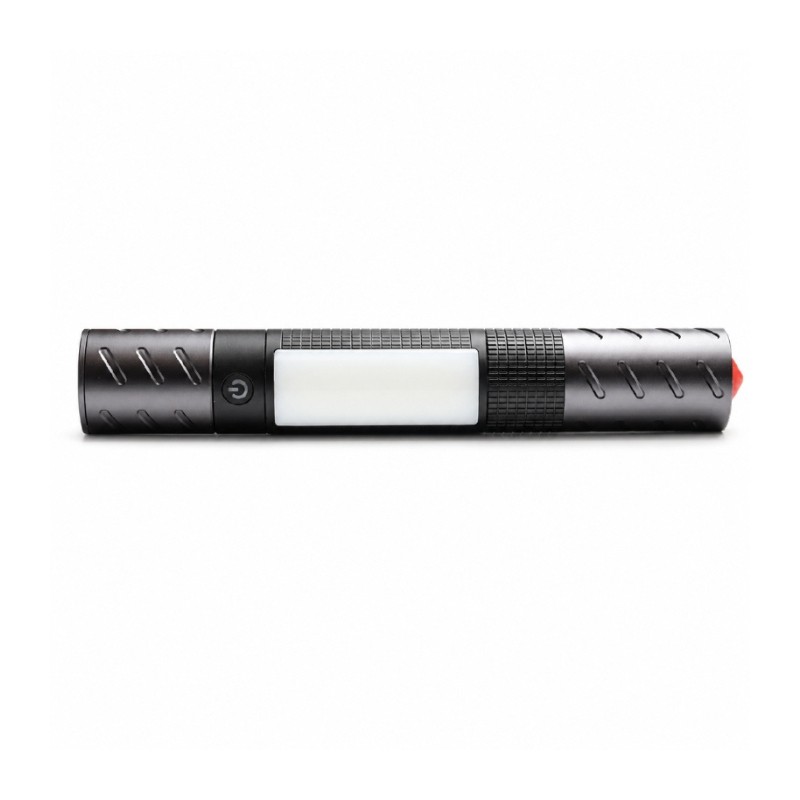
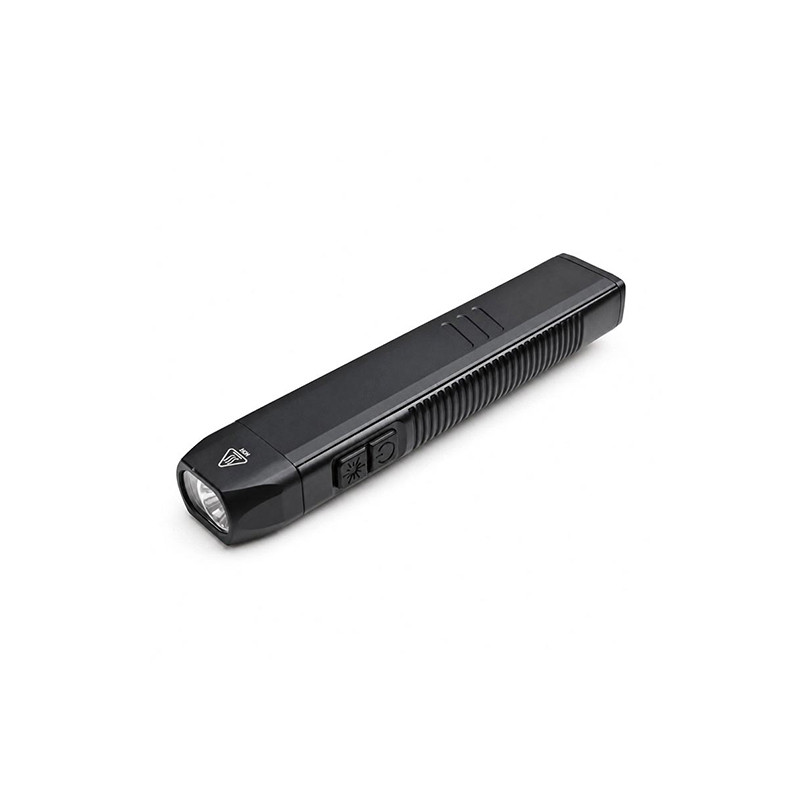
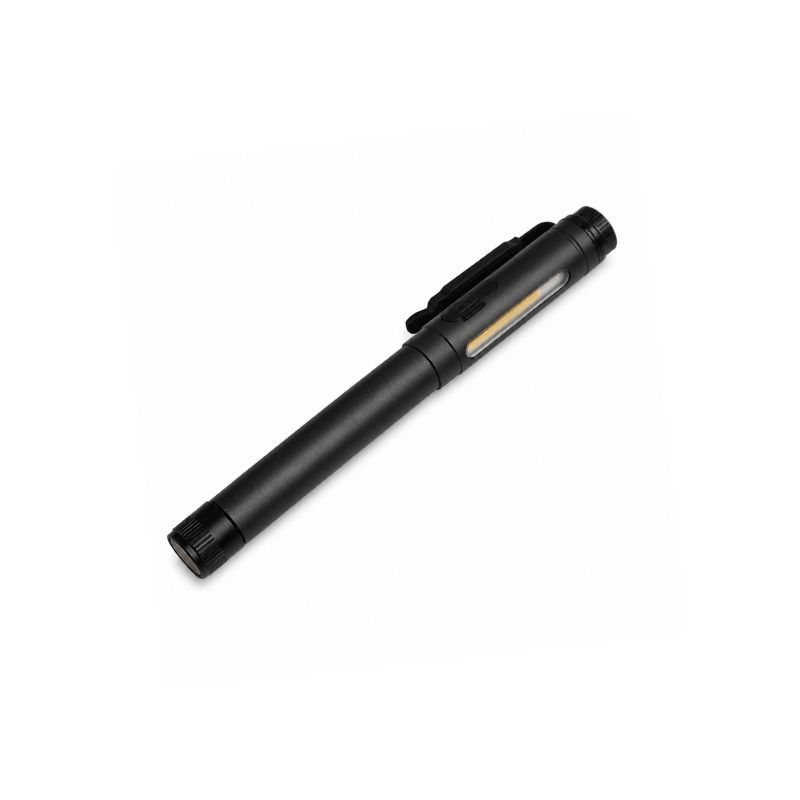
- Handheld Lights: These are the most common and versatile type. They are perfect for close-up inspections, spot-checking progress, and moving around the vehicle quickly. Their portability makes them the go-to tool for most detailers.
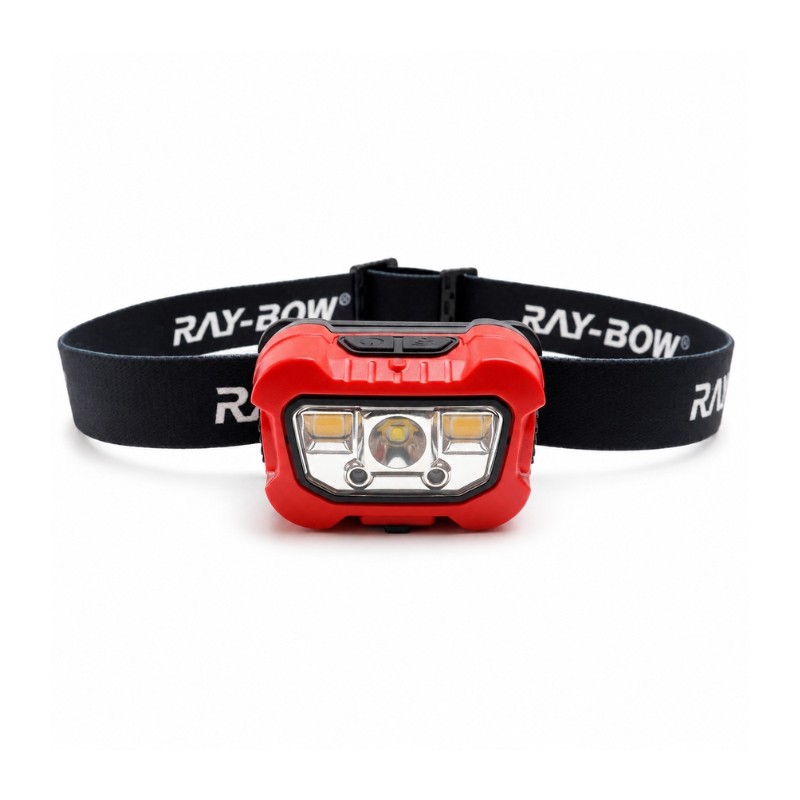
- Headlamps: A detailing headlamp is a game-changer for tasks that require both hands, such as wet sanding, applying coatings, or working in tight areas like wheel wells or interiors. A quality LED Rechargeable Headlamp frees up your hands while keeping a high-quality light source pointed exactly where you're looking.
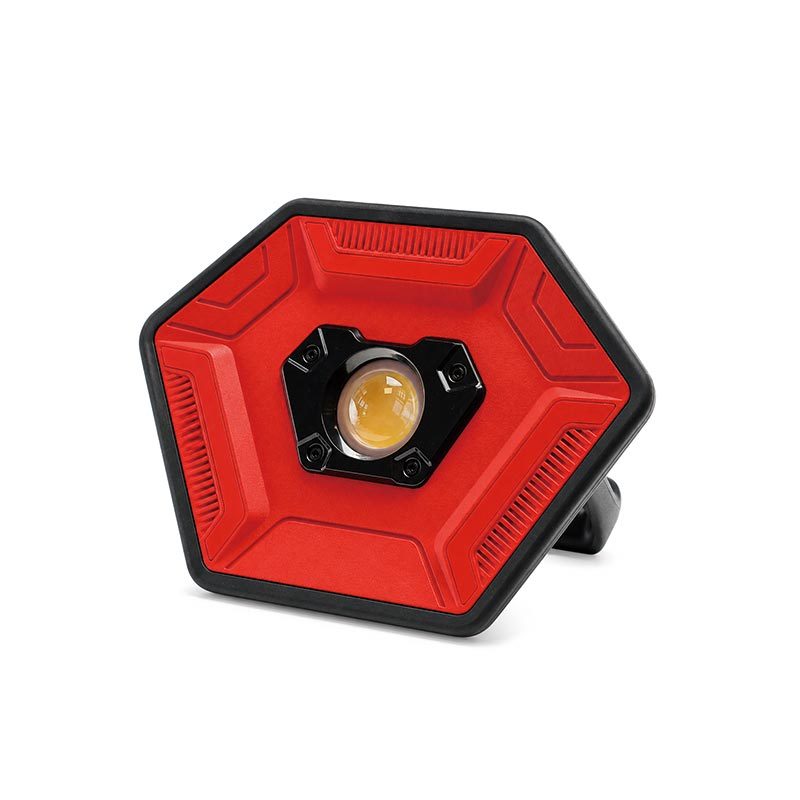
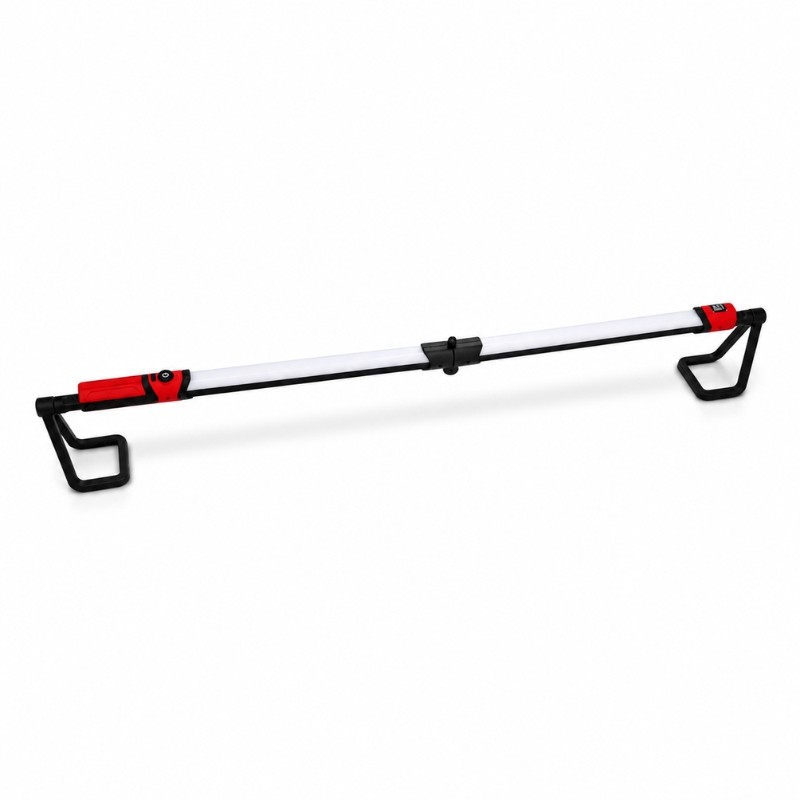
- Stand Lights: These large, powerful lights are mounted on tripods or stands and are used to illuminate an entire side of a vehicle or a large work area. They create a consistent, shadow-free environment, which is essential for ensuring uniformity during the initial wash and final polishing stages. While bulky, they are invaluable for professional studios.
Mastering the Technique: How to Effectively Use Your Color Match Light for Precision Work
Adopting a Systematic Approach: Working Through Sections of the Vehicle Methodically
Having the right tool is only half the battle; knowing how to use it effectively is what produces exceptional results. A professional detailing process is methodical, not random. Start by dividing the vehicle into manageable sections: roof, hood, trunk, and then each individual panel (fenders, doors, quarter panels).
Work on one section at a time, from top to bottom. This prevents you from cross-contaminating panels with polish sling or dust from an area above where you've already finished. A systematic approach ensures no area is missed and allows you to maintain focus and quality control throughout the entire vehicle.
Identifying Paint Defects and Imperfections with Unmatched Clarity Using Your Color Match Light
This is where your color match light truly shines. To properly inspect a panel, it's best to work in a dark or dimly lit environment to eliminate competing light sources.
The most effective technique is to hold the light at a 45-degree angle to your line of sight. Don't shine the light directly onto the surface from your viewing perspective. Instead, hold your arm out and bounce the light off the paint and back to your eye. This angled reflection makes scratches, swirls, and other subsurface defects stand out dramatically. Move the light slowly and deliberately across the panel, both horizontally and vertically, watching how the light's reflection changes.
Here’s what you’re looking for:
- Swirl Marks: Appear as a fine web of circular or chaotic scratches. They are most visible under a direct, focused light source.
- Holograms: A specific type of defect from rotary polishers that looks like a shimmering, hazy trail that "dances" or moves as you move the light.
- Random Deep Scratches (RDS): These are isolated, deeper scratches that will appear as sharp, distinct lines.
- Water Spots/Etching: Can appear as faint rings or mineral outlines on the surface.
Accurately Evaluating Paint Correction Progress and Spotting Remaining Flaws
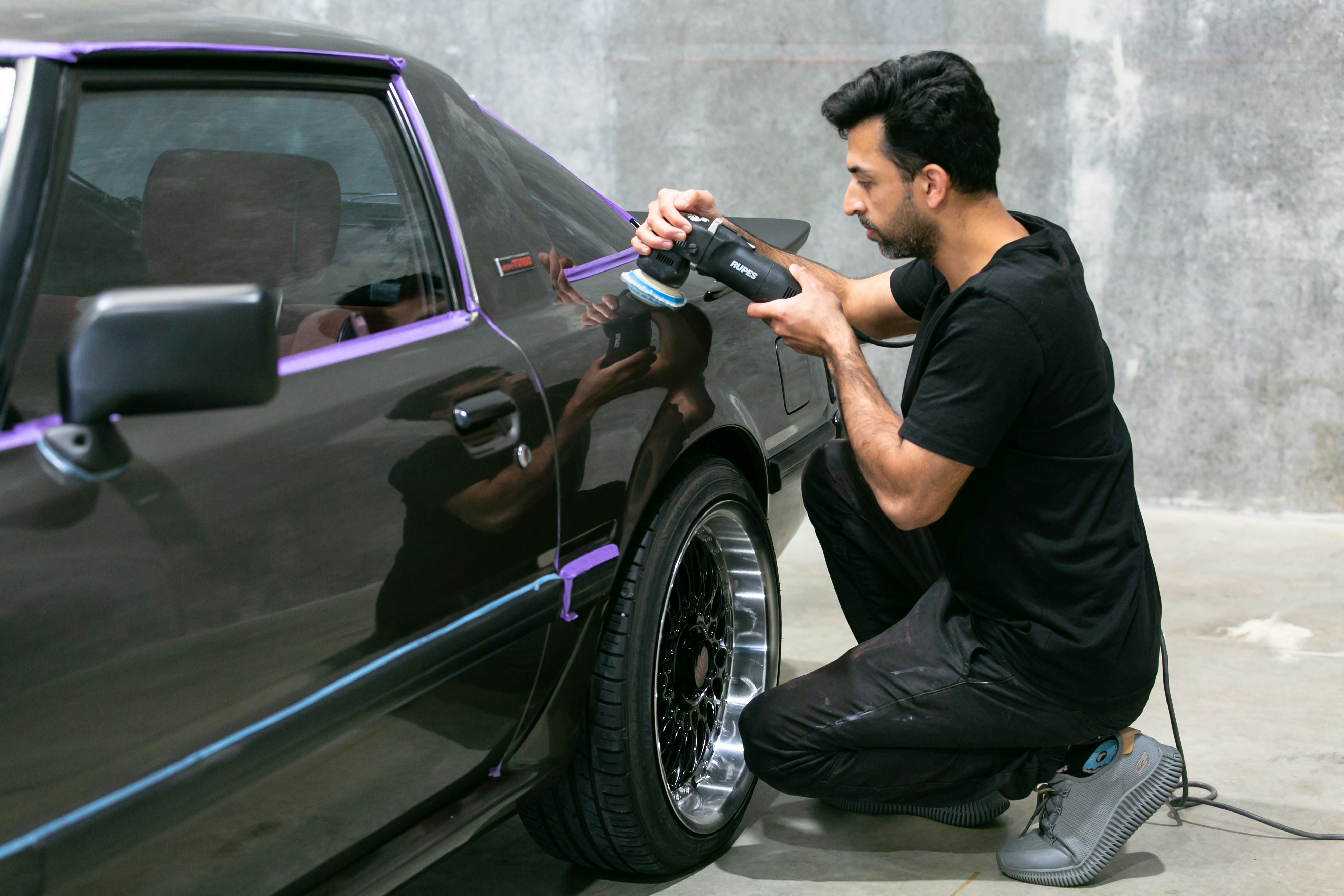
A color match light is not just for initial inspection; it's a crucial tool for process control. After making a few passes with your polisher on a test section, you must stop, clean the area, and re-evaluate.
Use an isopropyl alcohol (IPA) solution or a panel prep spray to wipe away any polishing oils and fillers. These can temporarily hide fine scratches, giving you a false sense of correction. Once the panel is clean and dry, use the same 45-degree lighting technique to inspect your work. Are the original defects gone? Have you introduced any new, finer scratches (DA haze) or holograms from your process? This step allows you to adjust your pad, polish, or technique before applying it to the rest of the car, saving time and ensuring a truly corrected finish.
Performing a Critical Final Inspection and Quality Assurance Check
The final inspection is your last chance to catch any mistakes before the client sees them. This is where having a light with adjustable color temperatures is invaluable. After you believe the car is finished, go over the entire vehicle again, but this time, cycle through the different Kelvin settings on your light.
A defect that was hard to see at 6500K might be obvious at 4000K. This simulates what the car will look like under various conditions—from bright afternoon sun to the warm light of a garage or a streetlamp at night. Pay close attention to edges, emblems, and tight areas where polish residue can hide. Look for any remaining "you missed a spot" smudges or wax residue. This rigorous quality control process is the final step that guarantees a flawless delivery.
Beyond Defects: Utilizing Your Color Match Light for Paint Matching and Blending Tasks
Accurately Assessing Existing Paint Condition, Fading, and Color Variations
A high-CRI color match light is an indispensable tool for any work involving paint application, not just defect removal. When assessing a vehicle, the light can instantly reveal inconsistencies that are invisible to the naked eye under normal lighting.
You can easily identify panels that have been repainted by spotting subtle differences in color, gloss, or metallic flake orientation. It's also highly effective at showing the extent of paint fading from UV exposure. By comparing a protected area (like under a trim piece) to an exposed area, the light will reveal the true degree of color degradation, which is critical information for both detailing restoration and paint matching.
Verifying the Accuracy of New Paint Applications andSeamless Blends
For body shops and painters, a color match light is non-negotiable. After a panel has been repainted, the light is used to verify a perfect color match with the adjacent, original panels. By simulating different lighting conditions with adjustable Kelvin temperatures, a painter can ensure the new paint will look correct not just in the shop, but out in the real world.
This is especially critical for blending, where new paint is faded into the original panel to create an invisible transition. The color match light allows the technician to check their blend at every stage, ensuring the color and metallic flake lay down uniformly for a seamless repair.
The Critical Role of Your Color Match light in Achieving Invisible Spot Repairs
Even for minor touch-up work, a color match light is essential. When filling in a rock chip or a small scratch with touch-up paint, the goal is to make the repair invisible. After applying the paint and allowing it to dry, the light is used to inspect the repair.
Does the color match perfectly? Is the touch-up paint level with the surrounding area? Are there any dark rings or high spots? The intense, accurate light will highlight any imperfections in the touch-up, guiding the technician in subsequent steps like careful wet-sanding or polishing to perfectly level the spot and blend it with the original paint. Without a high-CRI light, what looks like a good repair indoors can look like a blob of mismatched paint in the sun.
Conclusion
Embracing the sophisticated power of a dedicated color match light is truly a game-changer for any detailer striving for absolute perfection in their craft. By deeply understanding its features—like high CRI and adjustable Kelvin—and diligently mastering its precise use, we can consistently deliver exceptional vehicle finishes that both impress our clients and reflect our commitment to excellence. Therefore, I strongly encourage you to integrate this indispensable tool into your professional arsenal and witness firsthand the transformative difference it makes in your expert vehicle detailing journey. Please share this article with fellow detailing enthusiasts, and feel free to leave your comments and questions below!
Frequently Asked Questions (FAQ)
Q: Can I just use my phone's flashlight to check for swirls? A: While a phone flashlight can reveal some very heavy defects, it is not a substitute for a proper color match light. Phone LEDs have a low CRI, an uncontrolled beam, and a fixed, often cool-blue color temperature, which can hide many finer swirls, holograms, and color inaccuracies.
Q: What is the most important feature to look for in a detailing light? A: The single most important feature is a high Color Rendering Index (CRI), with 95+ being the professional standard. High CRI ensures the light is showing you the true, accurate color of the paint, which is fundamental for both defect removal and paint matching.
Q: Why do I need a light with adjustable Kelvin temperatures? A: Different color temperatures reveal different types of defects on various paint colors. A cool, daylight setting (6500K) is great for general defect finding, but a warmer setting (around 4000K) may be required to properly inspect light-colored or silver cars without creating excessive glare that hides imperfections. Adjustable Kelvin allows you to simulate multiple lighting environments for a more thorough inspection.